
Easy Dental Care for Pets
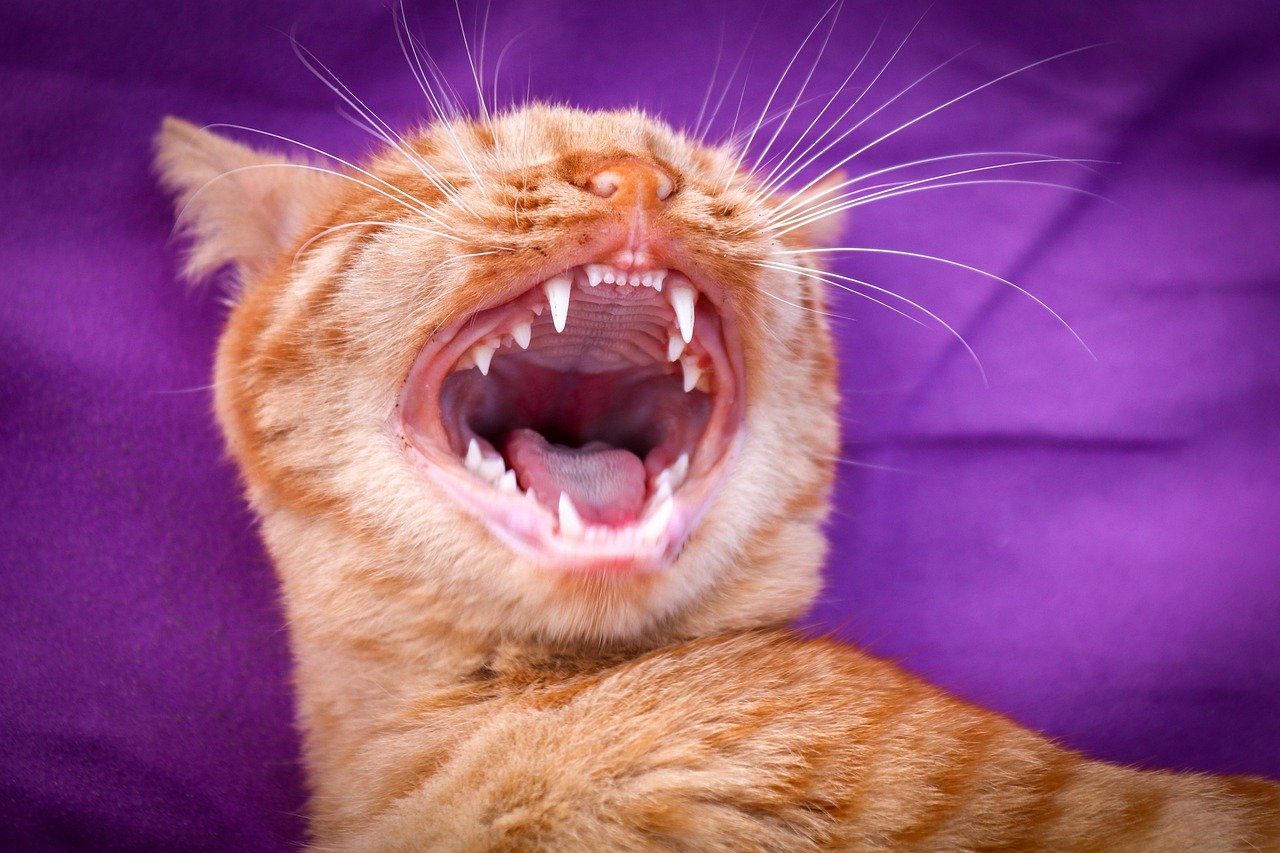
Flashing those pearly whites
Dental care is a vital aspect in the health of our pets and one that pet parents often ignore
Did you know that, by 3 years of age, 80% of dogs and 70% of cats will have dental disease?
We’ve just been accustomed to jokes about pets and their bad breath, especially dogs.
But, did you also know that bad breath in pets isn’t normal? Nope, it’s not.
It’s actually sign that our pet has some health issues we shouldn’t ignore.
Bad breath is probably a sign that your fur baby is suffering from dental disease. But there’s a few other symptoms to watch for in your pet’s behaviour.
The results of dental disease aren’t just pain and suffering. They can make your pet very sick, even be fatal.
Obviously, we need to spend some time concentrating on our pet’s dental health. Yet, it’s probably one of the most common issues for pet owners to ignore.
Disclosure: As an Amazon Associate, I may earn commissions, at no extra cost to you, if you follow my links to Amazon and make a qualifying purchase. This helps support this blog and my ability to keep bringing you important articles regarding the care and life enrichment of your precious fur kids.
Why Do Pet Owners Ignore Dental Care?
I’m going to be honest. For a long time, I didn’t pay a lot of attention to my pets’ dental care. I fed them healthy diets and gave them plenty of exercise and mental stimulation. But I was half-hearted in my attempts to learn proper at-home dental care for my pets.
It wasn’t until Hunter, our cat, was at a routine exam and the vet pointed out the very obvious signs of dental decay that I realized I was overlooking a very important aspect of the health of my pets.
Hunter had to have 3 teeth removed and 3 had simply fallen out on their own somewhere along the way. Poor l’il guy!
I felt pretty guilty about that but I asked lots of questions to my vet, listened carefully, and have learned a lot since then.
Most pet owners ignore their pets’ dental care for several reasons(and I was guilty of a couple of these):
They don’t understand the dangers of dental disease in pets
They don’t recognize the symptoms of dental disease in their pets
They don’t know how to teach their pets to tolerate daily teeth brushing so they abandon dental care
They are worried about the cost of veterinary treatments and the anesthesia necessary for dental cleanings
The Dangers of Dental Disease in Pets
If you don’t know this already, I’ll tell you a little secret about your pets.
They are incredibly good at hiding their pain. It’s hard to think of our pets suffering silently but they are often very good at doing just that. It’s up to us to recognize the symptoms and get them the treatment they need.
Your pet may have difficulty eating or may associate eating their normal foods with pain or foul tastes due to infection. This can lead to reduced appetite, unexplained weight loss or behavioural changes.
They may have broken teeth or even have teeth fall out all on their own and, if the infection spreads into their jaw, it can destroy their bone structure, causing jaw fractures.
Tooth decay can lead to sinus or lung infections and even blood infections that can quickly spread throughout your pet’s body. Bacteria can travel through the bloodstream and cause damage to the kidneys, the liver, and even the heart.
Bacteria can attach to the walls of arteries and this can cause heart disease or worsen an already present condition.
In short, dental disease isn’t just painful, it can be life-threatening.
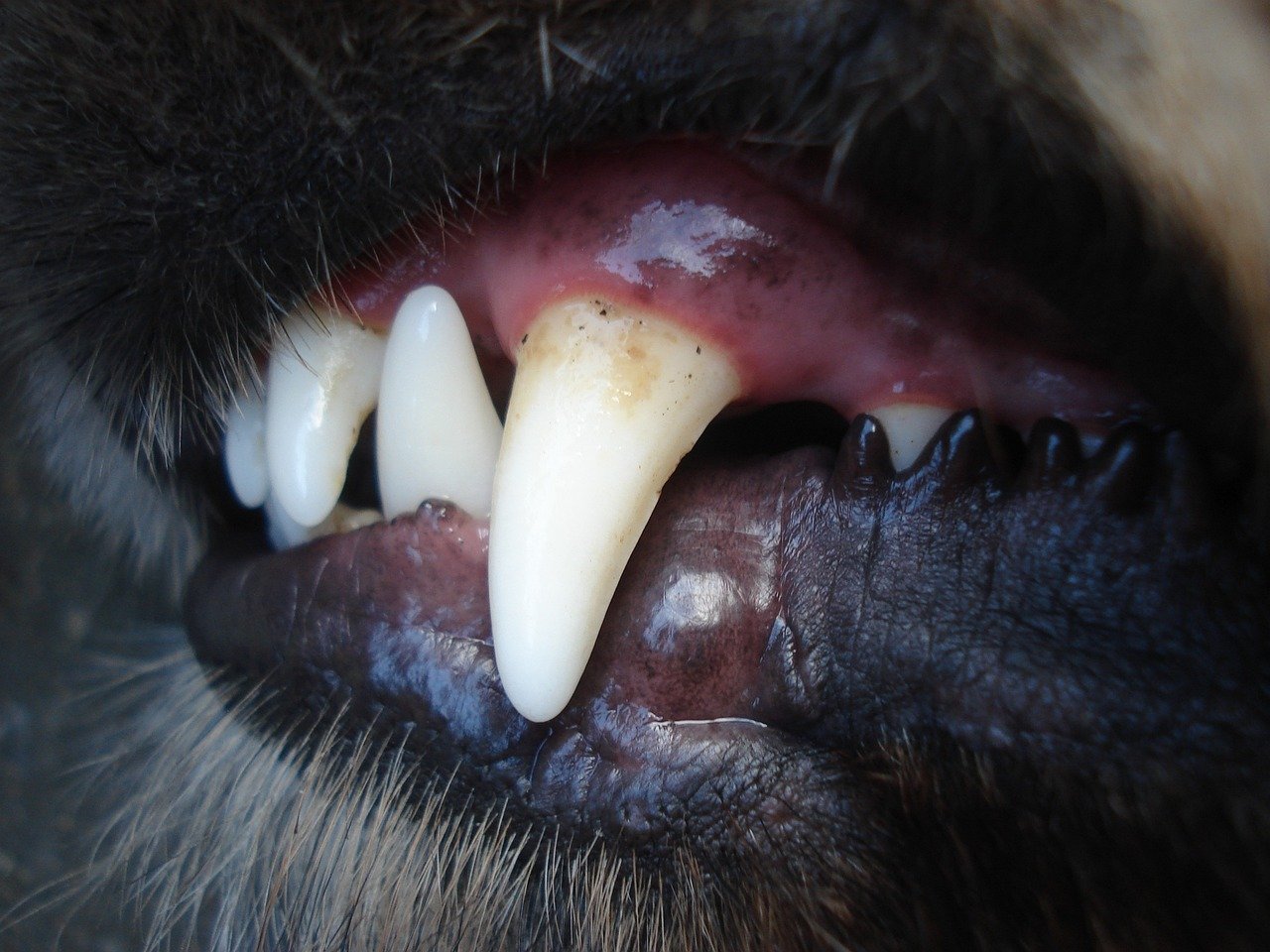
Tartar Build-up
This dog is showing some early signs of tartar build-up on its teeth. Time to work on the dental care routine!
Symptoms of Dental Disease in Pets
So, what are the symptoms of dental disease in pets?
Since our pets are pretty skilled at hiding their pain, we need to pay close attention to some of the obvious signs but, also, the subtle signs.
The most obvious symptom is the classic…bad breath. We’ve all heard of “doggy breath”. But, in reality, that’s not normal. Sure, a mild odour from your pet’s mouth is fine. But a persistent gross smell that we all seem to accept as a normal thing, is anything but normal.
Bad breath(halitosis) is the result of bacteria in your pet’s mouth and can signal dental disease on the horizon. As the bacteria levels increase, gum disease (gingivitis) begins to develop.
Red, inflamed gums that are prone to bleeding easily are a sure sign that your pet has gingivitis. The gums will begin to pull away and recede, allowing bacteria below the gumline.
Their teeth will get brown stains and build-up on them and may even loosen or shift. They are also prone to cracking.
Your pet may begin to develop chewing issues. You may notice that they are eating more slowly, more carefully. They may begin to drop food or struggle to chew hard food.
They may paw at their mouth or drool more than usual.
Suddenly, they begin to ignore their favourite foods. They may begin to lose weight as they refuse to eat things that cause them pain or taste strange.
Your friendly, outgoing pet may suddenly be hiding away or being grumpier than usual. This may not be the case of “grumpy ol’ man”. They may be in pain or have an infection that’s making them feel unwell.
Don’t ignore the early signs and, hopefully, you and your pet won’t experience the later signs of dental disease.
Pet Dental Care at Home
There are several products that you may be able to use for the dental care of your pet at home. You certainly don’t need to use all of them but may need some combination to keep your pet’s teeth in the best health possible. Talk to your veterinarian for any extra information you need.
Pet Toothpaste
The most effective way to prevent dental disease in your pet is brushing their teeth. While daily brushing is the ultimate goal, even brushing every other day will make a big difference in your pet’s dental health.
You must use a pet toothpaste. Human toothpaste is toxic to pets. It’s very likely to contain xylitol and also has foaming agents that make it unsafe for your pets to swallow.
I actually have two favourite pet toothpastes that I have used for my pets.
The first is Virbac CET Enzymatic Toothpaste. This paste comes in several different flavours so you can find a favourite for your pets.
It has a dual enzyme system that works with your pet’s saliva to control plaque and tartar. It’s a very effective paste to be used when you can brush their teeth.
Another option is Petsmile Toothpaste. This paste is one of the only VOHC(Veterinary Oral Health Council) approved toothpastes.
One reason that this paste is VOHC approved is because it works without actual brushing. While brushing helps, it’s not required.
This is very useful for cats and dogs that cannot or have yet to be trained to accept toothbrushing.
Pet Toothbrush
A good pet toothbrush is a soft-bristled toothbrush, such as this toothbrush with its long, narrow handle and dual heads for use on small or large pets alike.
If your pet is too uncomfortable with the use of a toothbrush, you can try a silicone finger brush. This can be especially useful when your pet is first being trained to accept toothbrushing or when they have first recovered from dental surgery as it’s very gentle and presents no danger of accidentally jamming them with a hard plastic brush handle.
Water Additive
What could be simpler than adding an additive to your pet’s water bowl that works to freshen their breath and reduce plaque? Bluestem Water Additive is another VOHC approved product that works without brushing, though brushing is always recommended for optimal dental health.
Dental Powder
Using a dental powder such as Proden PlaqueOff Powder can be an easy, natural, and effective way to clean your pet’s teeth. Just sprinkle a measured portion of this VOHC approved powder on your pet’s wet or dry food.
After his dental surgery, my vet recommended that I use this for Hunter’s teeth and it’s working well to keep his teeth clean as brushing is a “bit of a struggle”.
Dental Chews and Treats
Dog chews such as Crumps Plaque Busters or Caledon Farms Plaque Busters are great options for treats that will physically scrub the plaque and tartar off their teeth as they chew.
For cats, Greenies Feline Cat Treats are another VOHC approved product that you can give to your cat to help fight plaque and tartar build-up on their teeth.

Start today
While the best time to teach your pets to tolerate tooth brushing is when they’re young, another great time is right now!
Method for Brushing
Your goal for brushing your pet’s teeth should be daily for 30-60 seconds per side but even every other day can make a substantial difference in your pet’s dental health.
Start with getting your pet used to you handling their mouth and looking inside. Be gentle, be patient, and be careful. Your pet may be nervous or agitated with you poking around their mouth. And, if they already have dental issues, they could be in pain.
But, if you’re able, you can use this opportunity to look for obvious tooth decay, inflamed or red gums, or broken teeth. If you see any of these symptoms, you should book an appointment with your veterinarian for an exam.
If your pet is comfortable with you handling them around their mouth, you can put a small amount of pet toothpaste on your finger and let them lick it off your finger to taste it. If possible, you can work up to rubbing some toothpaste on their teeth, perhaps just a couple of teeth at a time, if that’s the only amount your pet can handle.
Once they’re comfortable with this, you can try repeating this procedure with the toothbrush and slowly working towards brushing all their teeth. The good news is, you generally don’t need to brush the inside of their teeth. Concentrate on the outside of their teeth.
If you can’t use a toothbrush, try finger brush or wipes. If that won’t work, use dental powder and water additives and try to work towards a more thorough job over time.
Remember, something is better than nothing and consistency is best.
Veterinary Care
As part of your pet’s yearly health exams, your vet will check your pets teeth for any signs of dental disease. They will recommend if cleaning is required.
My advice is, if your veterinarian is able to show you the telltale signs of dental disease, act sooner than later.
The longer you wait, the worse it will be. A simple cleaning can turn into teeth needed to be extracted, gums to be repaired, or worse, a pet who has an infection that has spread to other parts of their body and caused permanent organ damage.
While a dental cleaning for your pet will require bloodwork and x-rays to check the extent of damage and anesthesia to perform the cleaning procedure, the time required for your pet to be under anesthesia will be shorter if cleaning is the only procedure your vet needs to perform.
Dental extractions and other repairs can make the surgery longer, more expensive, and cause a longer and more painful recovery period for your pet.
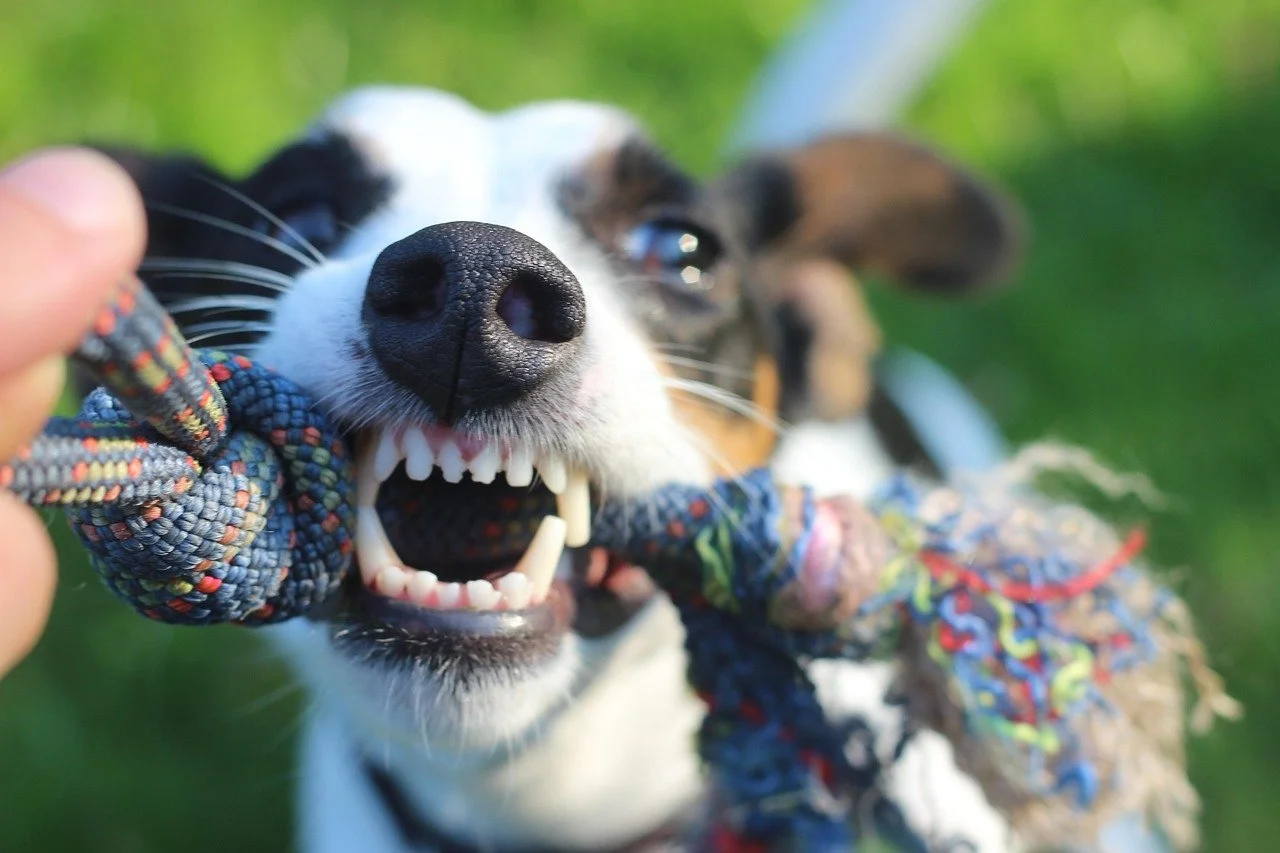
Toys can also help dental health
Let your pets play with toys that they can chew but that aren’t hard enough to crack or break their teeth
Conclusion
I still struggle to get Hunter on board with toothbrushing. I wish I had started when he was little.
He’s a very tolerant cat when it comes to so many things. But poking around his mouth isn’t one of them and I have only myself to blame.
Still, we work around it and keep working towards that goal.
Lucy, our Lab, on the other hand, would probably let you put your whole hand in her mouth.
She was guide dog trained so she came with a tolerant temperament and a lot of handling training. I can brush her teeth without any issues.
If you don’t have a dental care routine for your pet, start one now. If they won’t let you near their mouth, start with the recommended powder, water additive, or dental treats and work towards building their tolerance towards being handled.
Ask your vet for their recommendations and don’t put off a cleaning, especially if there are signs of dental disease.
Taking care of your pets teeth is one of the most important things you can do for your pet’s health.
Given the broad range of issues that dental disease can cause, it’s one thing we really shouldn’t ignore for a long, happy, and healthy life for our pets.
