
Spring Pet Safety Checklist
As the last cold blasts of Winter settle down and the warmth of the sun returns to the landscape, we all eagerly scramble out into the fresh air and sigh a deep sigh of relief and contentment.
These are the days when it feels perfect to take long walks with our dogs, when we throw open our windows and doors to let in the warmth, and the whole world around us bursts with fresh, new life.
It’s also the perfect time to take a look around at a few things to make sure that our pets remain safe and happy out there in this big ol’ world.
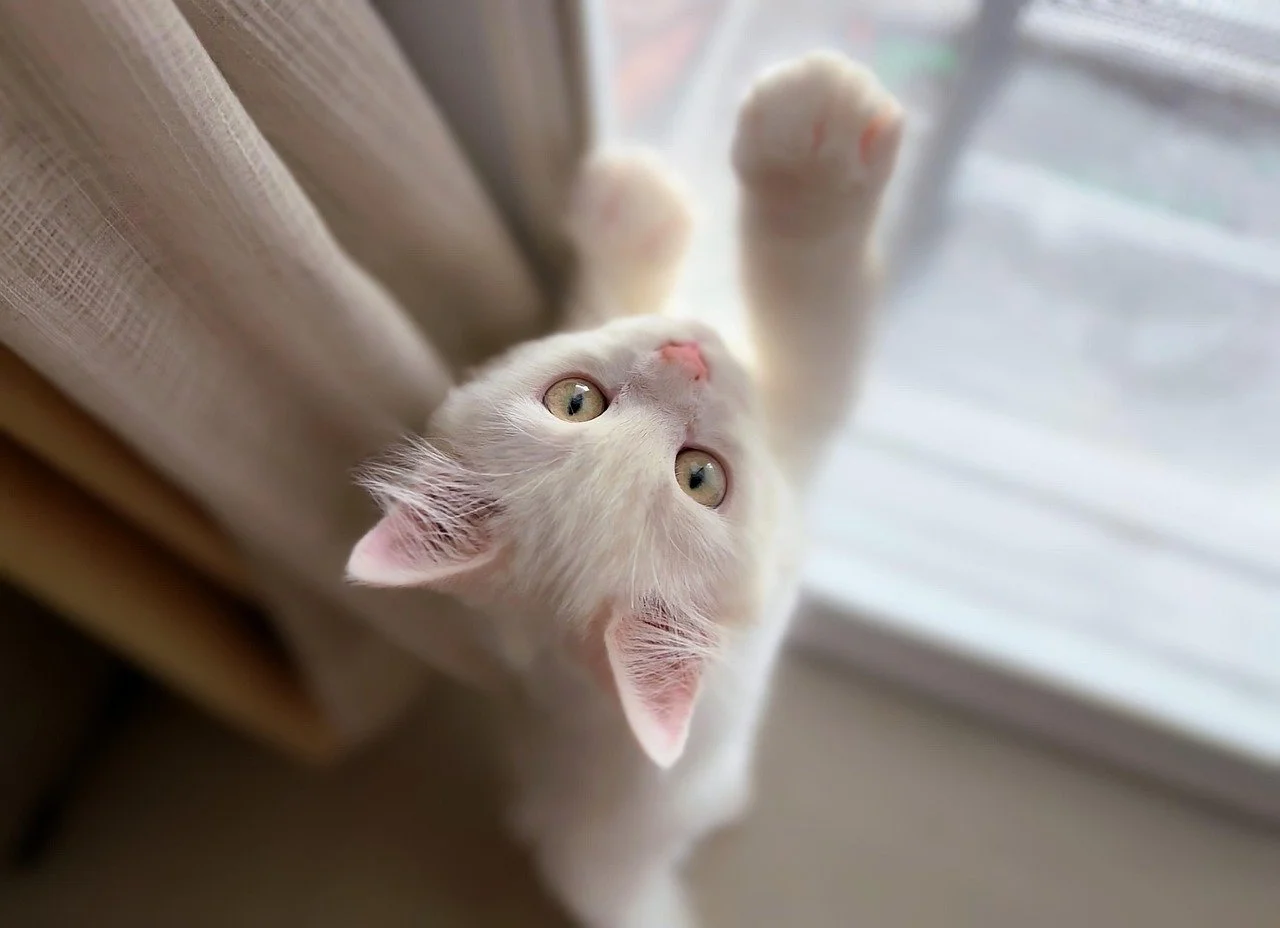
As we venture outside more, we give our indoor pets more chances to slip outside unnoticed
1) Safety Starts at Home
This is the season of open windows and doors and scrubbing our indoor spaces clean.
Check the screens on your windows, patio doors, and balconies to make sure they’re secure and in good repair. While this may be a good times to let the fresh air in, you don’t want to let your indoor only pets slip out without you even realizing it.
Also, try to use pet-friendly cleaning options, especially with your pets toys and bedding when you’re doing your Spring cleaning. And, if you have a dog who happens to like to lick the floor, you may want to switch to a safer option there as well.
Keep all your cleaning supplies, especially any harsh chemicals, tucked away securely from pets who love to explore their world through scent and taste. Curious kitties and pups love to explore cupboards and can get themselves into trouble.
2) Keep Pets Away from Flooded Areas and Standing Water
Spring run-off from snow melt and heavy Spring rains can be extremely dangerous.
Gentle streams and rivers can turn into crazy torrents with slippery banks and ice cold water.
While ice on ponds and lakes can appear solid, it will become slippery, unstable, cracked, and dangerous.
As the waters begin to recede, flooded areas may leave behind standing puddles or larger areas of water.
These puddles can contain road salts and other chemicals, parasites, and bacteria that can be harmful to our pets.
For instance, Leptospirosis in dogs is a disease caused by Leptospira bacteria.
It’s often contracted from water or soil contaminated with the urine of infected wildlife. Say, the kind you would find in or along a stream.
It causes acute kidney and liver failure, fever, and muscle pain. Your vet may recommend that your dog is vaccinated against Leptospirosis but you should still guard against your dog drinking from puddles.

Beware of both running and standing water during Spring melt and heavy Spring rains
3) Heat Waves and Your Pet
Spring heat waves can be punishing for your pets.
Often, weather will shift rapidly from cool to hot and your pet may not be acclimated to the heat. We often go from freezing temperatures to relative heat waves in a matter of hours this time of year.
Its effects can leave your pet susceptible to heat stress, heat exhaustion, and even heat stroke.
Ensure that your pet is well hydrated with access to plenty of fresh water and provide a shady spot for them to rest when the heat spikes. Give them lots of breaks or keep playtime and walks a little more gentle in the Spring heat.
As a reminder, DO NOT leave your pet alone in your car! Spring heat can catch us all off guard and it doesn’t take much heat to raise the temperature in your car to a dangerous level.
4) Yard and Garden Pet Safety
1)Pesticides, Herbicides, and Fertilizers
Fertilizers, pesticides and herbicides are toxic. Even the more eco-friendly options should be stored away from your pets.
Also, pets should be kept away while the treatment is being applied and when still wet to avoid them tracking through the chemical-covered grass or plants.
2)Compost Piles
Compost piles can contain all sorts of tempting smells for your pets. But, they also contain rotting, moldy food.
There could be a presence of E.coli, Salmonella, and other dangerous bacteria.
The moldy food can be particularly toxic to pets due to tremorgenic mycotoxins, which can result in rapid neurological damage, leading to seizures and severe tremors.
Compost piles should be kept in a secure compost bin or fenced-in area to keep your pets away and safe.
3)Cocoa Mulch
Cocoa mulch is highly toxic to pets. It contains theobromine and caffeine, similar to chocolate.
Dogs are particularly susceptible since they tend to be more adventurous with their eating habits than cats.
They are attracted to the sweet, chocolate smell and may not be able to resist.
So, stick to safer mulches in your yard and beware of cocoa mulch in your neighbourhood.
4)Bees, Wasps, and Hornets
If your pet gets stung, remove the stinger, if possible, by scraping it with a credit card, fingernail, or some other thin but stiff plastic.
Don’t use a pair of tweezers as you can end up squeezing more venom into your pet’s skin.
You can neutralize the venom with a paste of baking soda and water spread onto the sting site.
Contact your veterinarian to confirm if you can give your pet an over-the-counter antihistamine like Benadryl and to get the right type and dosage for your pet.
Benadryl is generally safe for both dogs and cats but the dosage is very specific for the species and size of your pet so always contact a veterinarian before you give any medication to your pet.
5)Slugs/Snails
Slugs and snails carry a parasite called Angiostrongylus vasorum, more commonly known as lungworm.
Lungworm can cause severe respiratory and cardiovascular damage in your pet.
Your pet doesn’t even need to eat the slug itself. Even licking the slime trail from a snail or slug can be enough to pick up the lungworm larvae.
Don’t leave toys and water bowls out at night for snails and slugs to meander through and keep their water bowls cleaned regularly.
While it might be tempting to use slug pellets in your yard or garden, resist this urge, as they are toxic to pets. The residue of the poison may even remain in those slime trails and, most certainly, in the slug and snails themselves if they consume the pellets.
6)Plants Toxic to Pets
Though there are many beautiful flowers that brighten up a Spring garden, many of them are toxic to pets. Bulb flowers, especially, tend to have built-in toxins that can be dangerous for your pets.
Cats, in particular, are at risk due to both their size and their physiological make-up, but many of these plants such as tulips and daffodils, are also toxic to dogs. While cats will chew on stems and petals, dogs may dig up and chew on the bulbs where the toxins are concentrated.
Lilies are particularly dangerous to cats. Every part of a lily, including the pollen, petals, stems, leaves, and even the water in the vase they sit in is extremely toxic to your cat.
Find out which flowers are a danger to your pet to keep them safe from harm by checking out Spring Flowers That are Toxic to Cats-And Some Safe Substitutions.
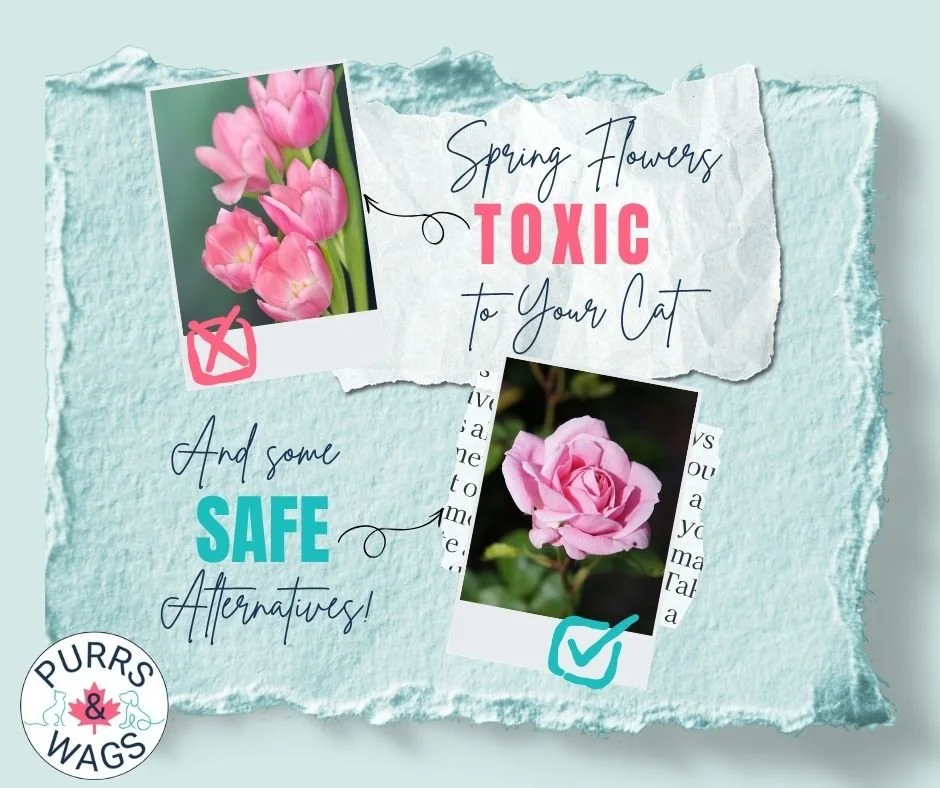
Many common Spring flowers are toxic to both cats and dogs.
