
Signs Your Pet Has Seasonal Allergies-And How You Can Help
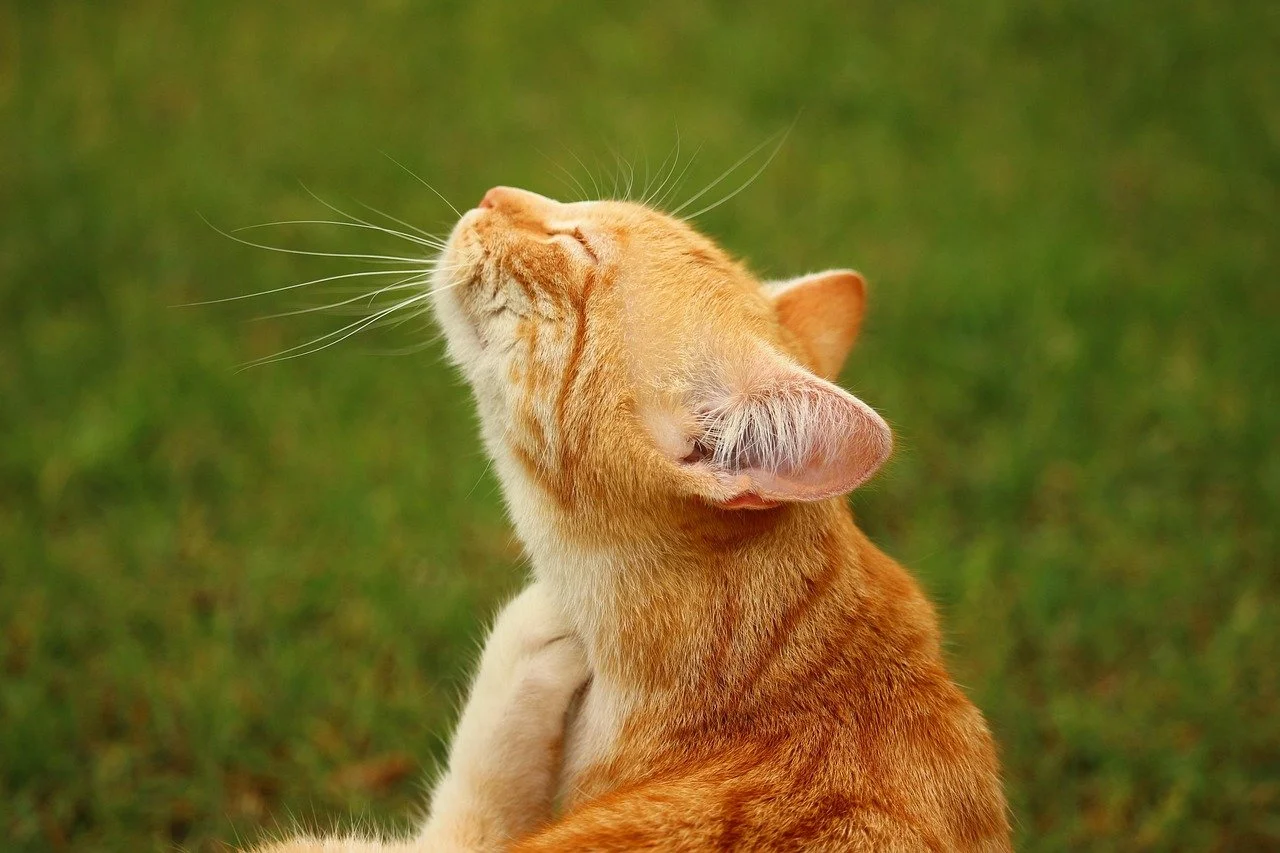
Time for a good scratch!
If your cat or dog is on a flea prevention regimen and is scratching, especially after being outdoors, seasonal allergies may be to blame.
Have you noticed your pet scratching incessantly, day and night?
Is your cat constantly grooming herself to the point of obsession?
Does your dog lick and chew his paws every time you bring him in from the yard?
Have those ear infections really gotten out of hand?
Your pet may have seasonal allergies.
While a consultation with your veterinarian is a good idea to rule out other causes, there are things you can do at home to give your pet relief. So, let’s talk about it.
Disclosure: As an Amazon Associate, I may earn a small commission, at no extra cost to you, if you click a link and make a qualifying purchase.
Common Seasonal Pet Allergies
Allergies in pets are immune system overreactions to substances that are usually harmless. Seasonal allergy symptoms often ebb and flow with the seasons, depending on what types of triggers are present.
Pollen is a common Spring allergy, not just in humans, but in our pets. As Spring brings all those trees and flowers back to life, the air is filled with pollen and our pets can have adverse reactions to it, just like us.
Grass pollen is another common seasonal allergy for our pets. As they wander and play in yards and parks, they kick up grass pollen and it can trigger an immune response.
Dust mites are more of a year-round allergy for our pets but can kick up periodically. Despite instincts to the contrary, dust mites thrive in higher humidity. Humid conditions in your house can increase the dust mite population. Spring and Fall can be especially challenging for dust mites.
Mold is another cause of pet allergies that thrives in the humid conditions that can crop up from time to time. Obviously, some seasons are worse than others for mold.
In Canada, and most northern countries, our cold winters tend to be very dry. Summers, in this area, are quite humid while others experience very dry conditions in the Summer.

There’s only so much your pet can scratch
Those of us with seasonal allergies know how much misery they can cause. It can be just as bad for our pets so let’s see what we can do to help them.
Symptoms of Pet Allergies
So, what are the signs that your pets are suffering allergic reactions?
Pets will often display more skin reactions than the respiratory reactions that we associate with human allergy symptoms.
They will experience itchy paws and skin, skin infections and crusty patches of skin, ear infections, anal gland inflammation, and only occasionally, watery eyes or sneezing(or reverse sneezing), and respiratory issues.
The most common areas on their body to see signs of allergic reactions are the paws, limbs, mouth, ears, abdomen, groin, armpits, and face.
If your pet is displaying any of these behaviours, allergies could be the cause:
scratching
licking
chewing body parts, especially paws
over-grooming
head shaking
butt scooting
patchy hair loss
red, scaly, irritated patches on the skin
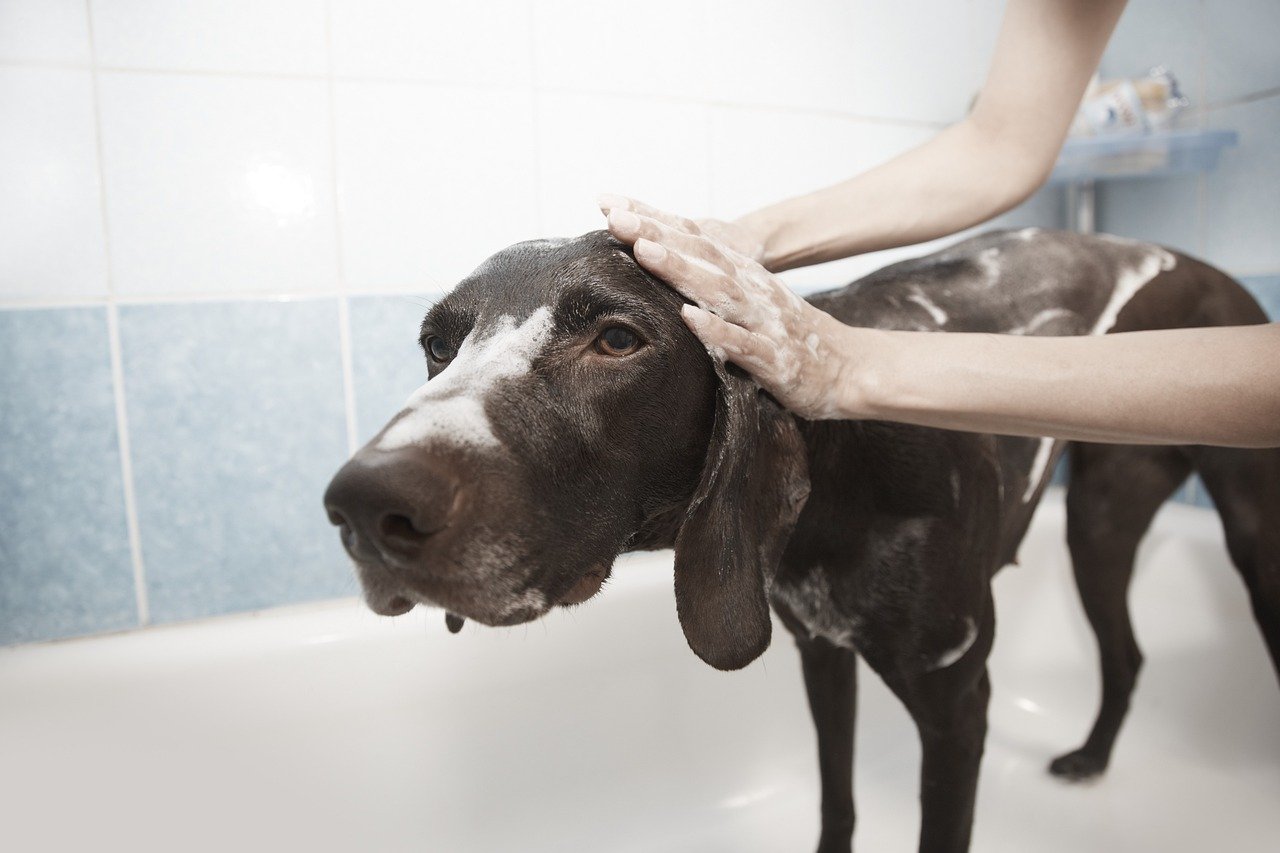
Bath time!
A soothing oatmeal pet shampoo can do the double duty of cleansing the allergens away and soothing their irritated skin.
At Home Treatments
There are some things you can do to reduce allergy symptoms in your pets and to reduce their need to take medications.
Wipe coat and paws -When you bring your pet inside from the yard or a walk, you can wipe their fur, with a focus on their paws, to remove pollen. You can use pet wipes, such as these Earth-rated Wipes or a damp cloth.
Baths -Baths can also remove allergens, such as pollen, from their fur and soothe their skin. If their skin is itchy or irritated, oatmeal shampoo , such as the Attitude Soothing Oat Shampoo for pets will relieve the itching, moisturize their skin, and minimize inflammation.
I’ve used this one for Lucy and it really does the trick for soothing her itchy skin and makes her coat so soft and fresh. I also love that it’s an eco-friendly option and made with natural ingredients.
For cats, who’d rather suffer than be bathed, a waterless foam such as this Wahl No-Rinse Cat Shampoo can be used to clean their fur.
You can also get a no-rinse shampoo, such as Buddycare Waterless Dog Shampoo for those dogs who hate baths or just to clean the pollen out of their fur between regular baths.
Fatty acid supplements -If your pet is known to have allergies, Omega 3 fatty acid supplements can make a big difference. Fish oil supplements, such as this Vital Pet Life Salmon Oil, formulated for your pets, can relieve itchy skin conditions and prevent skin infections.
As a bonus, they will strengthen and soften your pet’s coat and even help manage arthritis and joint pain.
Keep ears clean -If your pet is prone to ear infections, clean their ears regularly. Pollen in their ears can irritate and cause inflammation, as well. As your pet scratches their ears, they can further irritate their ears and increase infection sites.
Reduce exposure -If you can, on high pollen count days, you may want to reduce your pet’s time outside, or keep them inside as much as possible.
Keep your windows closed on those high-pollen days to keep that pollen out of your home.
You can use an air purifier and change the filters as needed to keep your house as allergen-free as possible.
Pet clothing -Clothing can be worn over itchy areas to prevent your pet from scratching and infections. You can even dress your pet for outdoor adventures to keep the pollen from collecting in the fur on sensitive bellies.
Medicinal treatments -Some over-the-counter human medications can be used for milder allergy symptoms for dogs and cats such as Benadryl(diphenhydramine), Claritin(loratadine), or Zyrtec(cetirizine). Consult your veterinarian before using these options for your pet!
Never use any formula containing decongestants, which are highly toxic and potentially fatal to your pet.
Only use medications under the direct advice of your veterinarian to determine correct dosages and to ensure that you’re using the appropriate medication for your pet.
For more severe allergies, your veterinarian will be able to prescribe treatments, including topical treatments, such as ear drops, corticosteroids, or other medications. They may also recommend allergy immunotherapy such as allergy shots or oral drops.
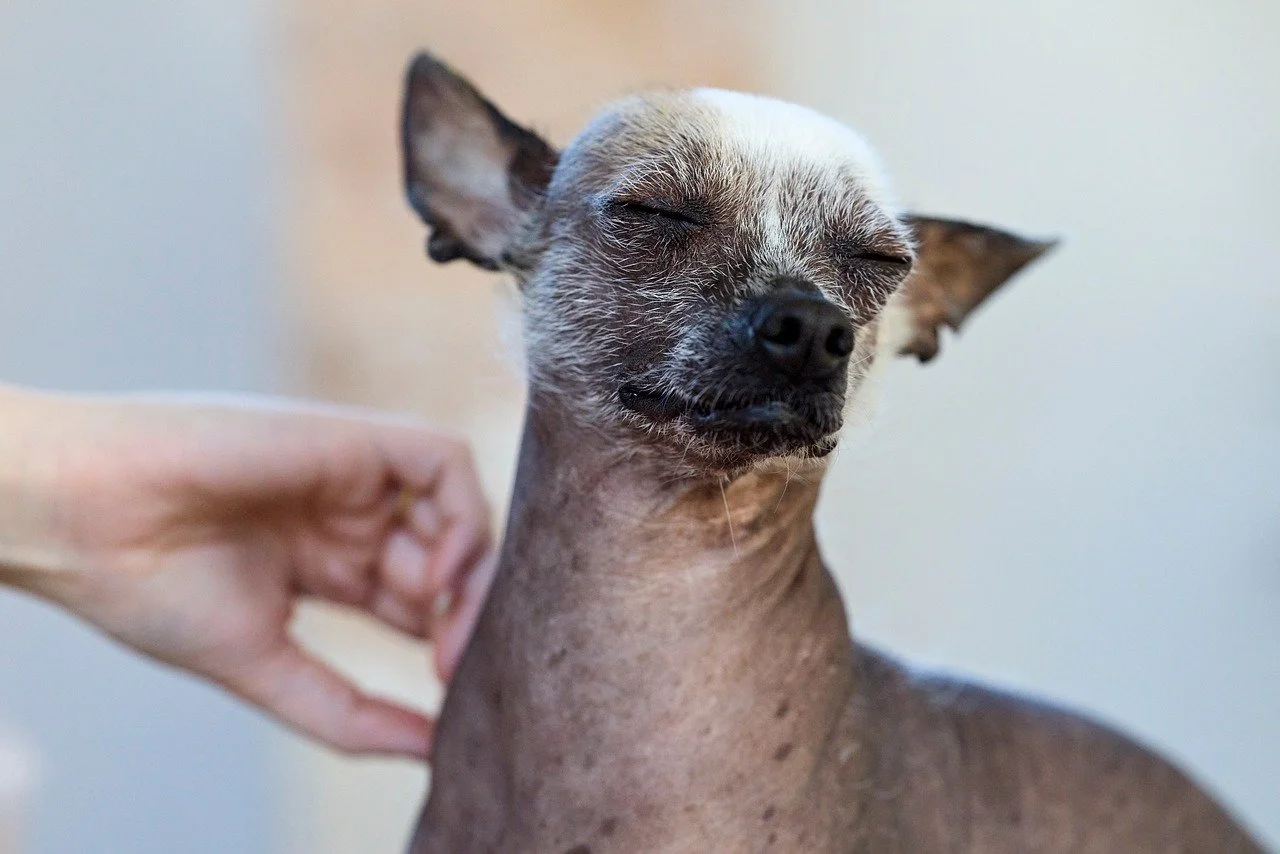
Ah, the relief!
There’s only so many scratchies you can give your pet. It’s time to take some steps to give them some real relief from their seasonal allergy symptoms!
Conclusion
Seasonal allergies can be miserable for you, but they can also be miserable for your pets.
But with a few simple steps, you can give your pet some relief to bring on those purrs and wags!
And that’s what it’s all about for us pet parents, isn’t it??
