
How to Keep Pets Cool in a Summer Heat Wave
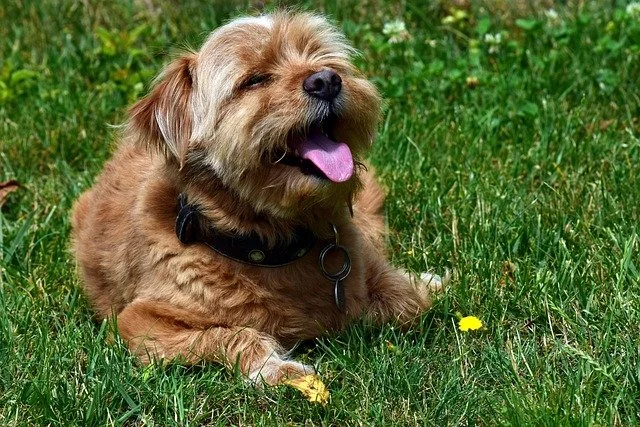
Hot Dog!
When the heat hits, know what to do to keep your pets cool and comfortable.
When Summer arrives and a heat wave hits, it’s important to remember that our pets can feel the effects of that relentless heat too.
It’s up to us to protect our pets. That means both keeping them cool and knowing the telltale signs of heat stress if it happens so we can get them cooled down immediately.
Here’s what you need to know about keeping your pets cooler when the temperatures rise this Summer.
Disclosure: As an Amazon associate, this post contains affiliate links. If you follow one of these links and make a purchase, I may earn a commission, at no extra cost to you. This helps support this blog and my ability to keep bringing you important articles regarding the care and life enrichment of your precious fur kids.
How to Keep Your Pets Cool
There are some basic needs that your pets have when it comes to beating the heat. There’s also a few extra things you can do to protect them from the unrelenting heat in the dog days of Summer.
Water: The Essence of Life
The best thing you can do to protect your pet is to make certain that they have access to cool, clean water at all times. If your pet is outside for brief periods of time, setting out a bowl of water with a few ice cubes thrown in, set into a shady area, is probably enough.
But if your dog is outside for extended time periods, you may want to set up an outdoor automatic water bowl. This can be attached to a fence, deck, or wall and fed to a garden hose. It will give your pet access to water at all times and can easily be kept clean.
Backyard Shade and Cooling Station
If your pet spends any time outside in the heat, they will need access to shade. If you have trees in your yard, this will give them an area where they can rest in the shade. Without trees, you may need to create some shade in the form of a sun-sail, a pop-up canopy, or any other shade structure that has good airflow and plenty of cool shade beneath it. And, of course, plenty of cool water to drink.
Another fun and easy way to keep your pet cool is a collapsible dog pool. This pool can easily be set up on your grass or patio for your dog to play and stay cool all at once. It pops up quickly with no inflation necessary, and is made of non-slip, extra-tough PVC.
It can also be drained with a side/bottom drain. Don’t want to waste that precious water and create a mud puddle? Connect a garden hose and the water can be diverted into your garden or out to another lawn area that’s not underfoot.
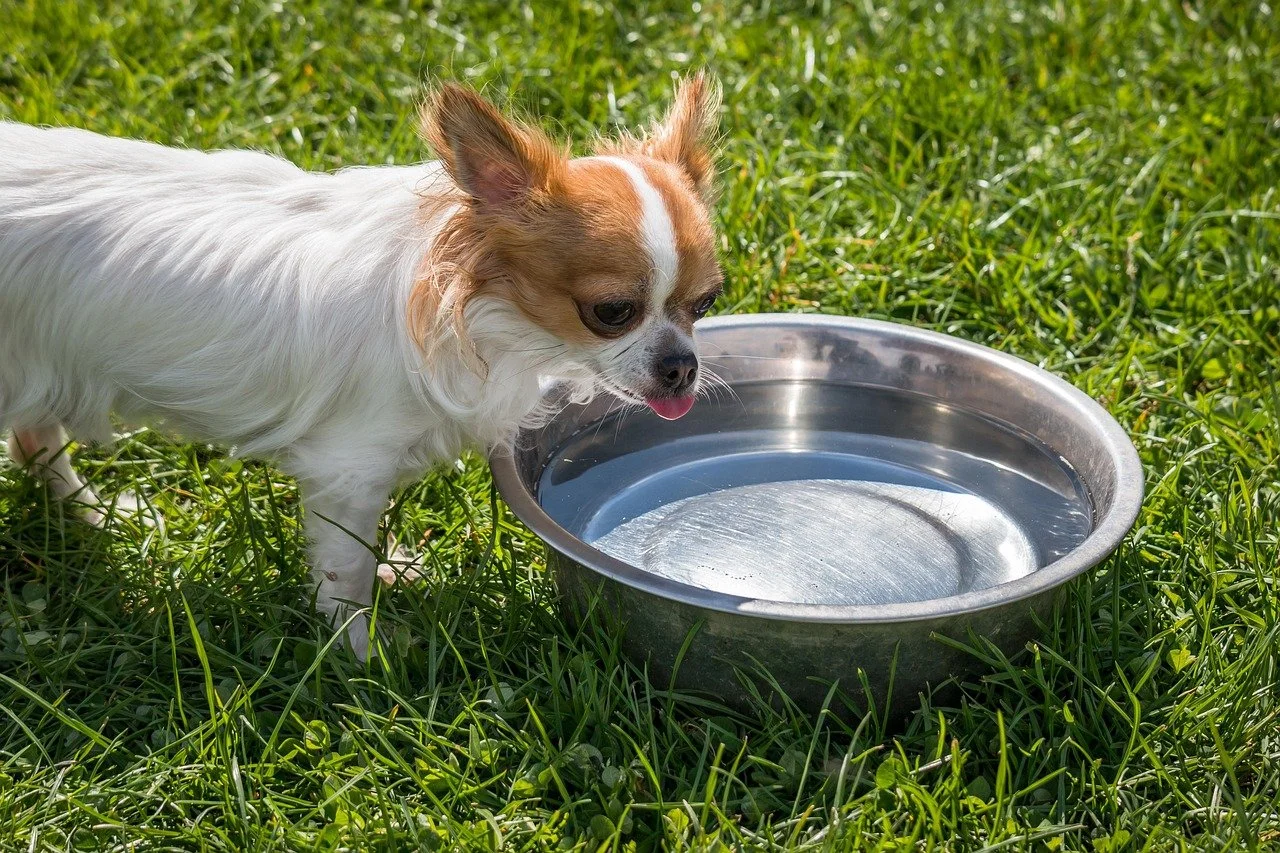
Cool, Clean Water
Make sure your pet has access to plenty of cool, fresh water to keep them hydrated.
Keep Your Dog Cool During Their Walks
It’s best to walk your dog early in the morning or late in the evening to keep them out of the worst heat of the day. Morning is best as this is the coolest time of the day. If you walk in the evening, take them once the sun is lower or even once it has set and the temperatures are beginning to drop.
If you can, choose a walking route that has more shady areas. Head to a local park or hiking trail where there’s lots of trees or choose to walk your neighbourhood on the the shaded side of each street. This can take some zigzagging but your dog won’t mind and you will probably enjoy it more too.
If you have to walk on a sunny stretch of sidewalk or roadway, remember to always test it. Hold the back of your hand on the ground. If you can’t comfortably keep your hand on it for 7 seconds, it’s too hot for your dog’s paws and they can be burned by the heat.
One more thing you can do is put a cooling vest or coat on your dog. There are, basically two types and the right choice will be the one that works best for your dog and your area’s weather.
You can use a cooling vest/collar with reusable ice pack inserts. This type of coat contains reusable inserts that can be frozen and inserted into the vest. It targets the cooling around the neck and the chest where cooling is critical for the safety of your dog.
It works well in high humidity heat, which is pretty common here in the summer. But it is a little heavier for your dog than other types of cooling coats so it may be uncomfortable for arthritic or senior dogs and won’t work once the ice packs have melted.
The other option is an evaporative cooling coat. These coats work by the power of evaporation to wick away the heat from your pup. Simply soak the coat for a couple of minutes, wring out the excess moisture, and put it on your dog. It will start to cool them immediately
This coat is lightweight, easy to use, and is travel-friendly. It’s great for a long hike where you can dunk it in a lake or stream to recharge it. It’s disadvantage is that the evaporation works best in dry heat so it won’t work as well when there’s high humidity. But if you live in an area where the air is hot, but dry, this may be the best option for your pup.
You should, of course, be sure to bring along a source of clean water for your dog. You can use bottled water and a collapsible water bowl. Just carry a bottle of water and clip this bowl to your pack, your dog’s harness, or your dog’s leash and you have a handy bowl ready to give your dog a drink or a snack at any time or anywhere.
As a cool alternative, I love this insulated, stainless steel dog water bottle. It holds 27oz of water, is made of stainless steel with a 2-in-1 food grade silicone lid/cup. It keeps the water cool and fresh for hours. The handy lid stays attached to the bottle and turns into a large cup. It easily folds back onto the bottle as a compact, easy-to-use water dispenser for your doggo.
In general, you will need to balance your pet’s need for exercise and scheduled routine with their safety needs. Maybe this isn’t the time for an agility training session or a rousing game of frisbee or fetch. Perhaps a gentle morning walk, an evening obedience training session, topped off with a little sniffari walk is more appropriate for those days when the mercury soars.
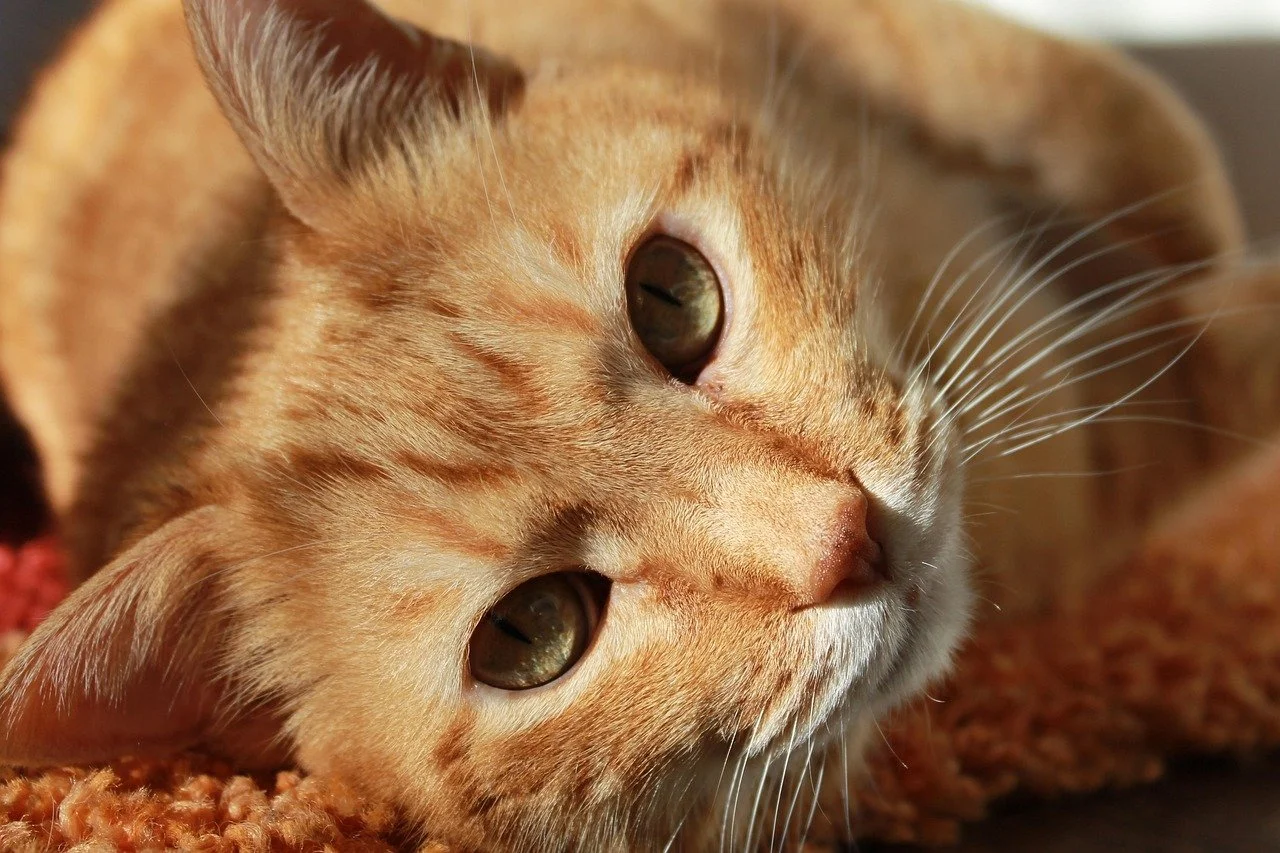
Sun Lover
Even though cats enjoy warmth, they still need to be monitored to make sure they’re safe when temperatures soar.
Keeping Your Pet Cooler Indoors
There may be times that you need to keep your pets indoors for most, if not all, of the day. If you have air conditioning or a cool basement, your pets will be safer and more comfortable indoors.
If you have no air conditioning, not even a window unit, a fan will help keep your pets cool. It will still be cooler inside than out in the scorching sun.
Cats and dogs may both benefit from a cooling mat. This is a self-cooling mat that is pressure-activated. Once your pet lays on it, it will provide a cooling sensation and then it “self-charges” once your pet moves off the mat in 15-20 minutes.
You can play indoor games with your pets to keep them entertained and relaxed. A few days of quiet, mental enrichment for your pet will not hurt their physical fitness but will keep them safe and cool.
For some ideas for indoor pet enrichment, check out this article, Boredom Busters for Pets. In this part of the world, we tend to think of indoor pet enrichment for the extreme cold or to keep your indoor-only cat entertained, but there are other instances where the heat is also extreme, and you might just want to keep them safely inside.
Another fun way to keep your pets cool is to provide them with frozen treats. For your dog, check out the Woof Pupsicle Starter pack. While you can purchase the Pupsicle treats, this starter pack also includes molds to freeze your own treat mixtures to play inside the Pupsicle toy. There are so many easy frozen treat recipes online and you can find a few that are simple and that your pet will enjoy.
Cats can benefit from a few ice cubes in their water bowls to cool the water. Another fun, cool treat for cat is made by freezing bone broth, salmon or tuna juice mixed with some water. These “catsicles” can be frozen in mini ice cube trays or silicone molds and used as cooling, hydrating treats for your kitty.
Bonus Pet Cooling Tips
In a heat wave, you should brush your pet daily to ensure no matting, to remove a build-up of dead hair, and to improve the circulation next to their skin.
Shaving your pet may seem like a good idea but it’s actually counter-intuitive. Your pet’s fur is there as insulation. This means that while it keeps the warmth next to their skin in cooler weather, it keeps the heat away in the hot weather, as well. A trim by a groomer is quite different than a full shave that may leave them at risk of sunburn.
I feel like I shouldn’t have to say this but, once again, DO NOT leave your pet in a vehicle in the summer, even with the windows down a bit! The temperature of the air in your car will skyrocket and leave your pet in extreme danger.
This is actually considered a crime in many areas. A broken car window, a stiff fine, and even jail time may be the result. Not to mention that your pet can suffer greatly, get very ill, or even die.
For continued socialization training, Lucy will sometimes accompany me to stores that I know are pet friendly such as pet stores, most garden centers, and occasionally, some other stores that allow pets, such as my local Canadian Tire.
Keep in mind, she is also always on leash, well-socialized, friendly around other animals and people, and calm. I am respectful of others and the fact that they may not enjoy dogs so we keep our distance unless, of course, someone wants to say hello. She does love the attention and she’s pretty adorable!
But she’s also able to stay at home alone(well, with Hunter for company) and, in extreme heat, this is a better choice. Parking lots are often scorching hot, especially midday. She’s over 60lbs. I’m not about to carry her and I don’t want her paw pads burned. While I love spending time with her, I’m not about to jeopardize her health. It’s just not worth it.
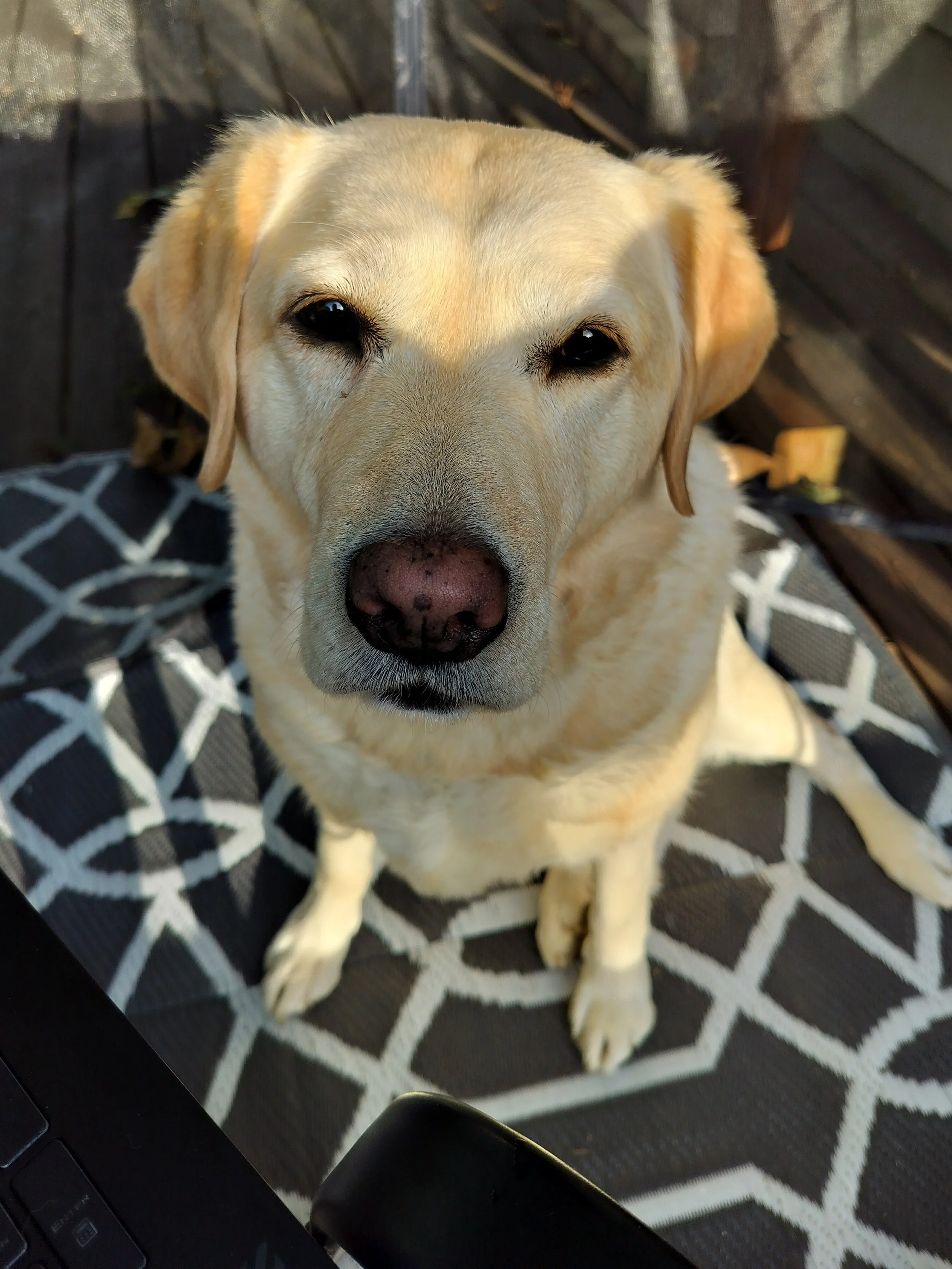
Searching for Shade
Our dog Lucy relaxing in a shady patch on our deck on a hot, sunny day.
How Cats and Dogs Stay Cool
Cats and dogs cool down in slightly different ways and both are different than humans. You need to know how your pets cool themselves and what happens if they can’t cool themselves quickly enough.
For humans, the main mechanism for cooling is sweating. Both dogs and cats have sweat glands in their paw pads but sweating is a very minor component to their cooling systems.
For dogs, panting is the primary mechanism for removing excess heat from their cores. In cats, panting only occurs when they are stressed, ill, or dangerously overheated.
Cats use grooming as a their primary mechanism to regulate their internal temperature. The saliva will evaporate, causing a cooling effect. While dog saliva can also evaporate from their coat, this, generally, isn’t a way that your pup will cool themselves.
Both dogs and cats will spread out on cool surfaces, such as tile or concrete floors, or lay in front of a fan or in a breezy area to passively cool themselves.
They will also seek out shady areas and rely on constant access to fresh water.
Cats, especially will conserve their energy and limit activity during hot weather. But, even dogs rely on this technique.
Know the Symptoms of Heat Stress in Your Pet
While there are many ways to protect your pet from the punishing heat of summer weather, there may be times where your pet gets too warm before you have a chance to intervene. You also may encounter another pet that needs immediate help. You need to know the signs of heat stress before your pet is in extreme danger and intervene.
In hot weather, the symptoms of heat stress or heatstroke can vary slightly from cats to dogs. Since heat stress can rapidly progress to heatstroke, it’s important to catch it early.
Cats are more tolerant in heat waves but they should also be monitored. Dogs aren’t as tolerant so we need to be especially careful.
Symptoms of Heat Stress and Heatstroke in Cats
Excessive or agitated grooming as your cat attempts to cool itself
Open-mouth panting or wheezing
Bright red or dark red gums and tongue
Drooling
Agitation, restlessness or excessive meowing
Hot ears and paw pads, with sweating on the paws
Signs of extreme distress and possible heatstroke include vomiting, diarrhea, muscle tremors, or a full collapse
Symptoms of Heat Stress and Heatstroke in Dogs
Excessive, heavy panting that does not subside with rest
Thick, roapy, or foamy saliva
Bright red, grey or purple gums and/or tongue
Restlessness, pacing, panic or anxious eyes
Vomiting or diarrhea
Lack of co-ordination, wobbly legs, muscle tremors or complete collapse
Keep in mind that puppies, senior dogs, flat-faced breeds, overweight dogs, or those with pre-existing medical conditions such as heart or respiratory disease, are most at risk.
Get Your Pet Veterinary Assistance Immediately
If your dog or cat is displaying any of these symptoms in the heat, get them to a cooler area such as an air-conditioned space or shade. Spray a dog’s fur or wipe a cat’s fur with lukewarm or cool(not cold) water to promote evaporative cooling. Offer water but don’t let them drink too much at once as they may vomit.
Take them to get veterinary treatment immediately, whether it’s your own vet or an emergency clinic. An emergency clinic may be a more suitable choice if there’s one close by as they are always at the ready for such an emergency.
Cool the pet on the way with the use of your car’s air conditioner, the fan, or an open window.
Heatstroke has a high mortality rate so getting them help immediately is vital!
Final Thoughts
By taking care of the basics for your pets such as hydration, shade, timing their exercise properly, staying indoors in extreme heat, and using a few simple cooling tools, you can greatly reduce your pet’s risk of heat stress and keep them comfortable and safe all summer long.
