
Our pets are curious creatures. They love to explore new plants that we bring into our homes. A good sniff, perhaps a taste. Maybe that tastes turns into more of a feast.
But some of the classic choices for holiday greenery and flowers that we bring into our homes are actually unsafe for our furry friends. Some are harmless but some are downright deadly.
You need to know the difference!
No one wants to end up at the emergency vet over the holidays…or worse.
If you’re bringing a plant or flowers into your home or gifting it to a pet-friend or loved one, let’s make sure they are safe choices for the fur babies!
Holiday Plant Dangers
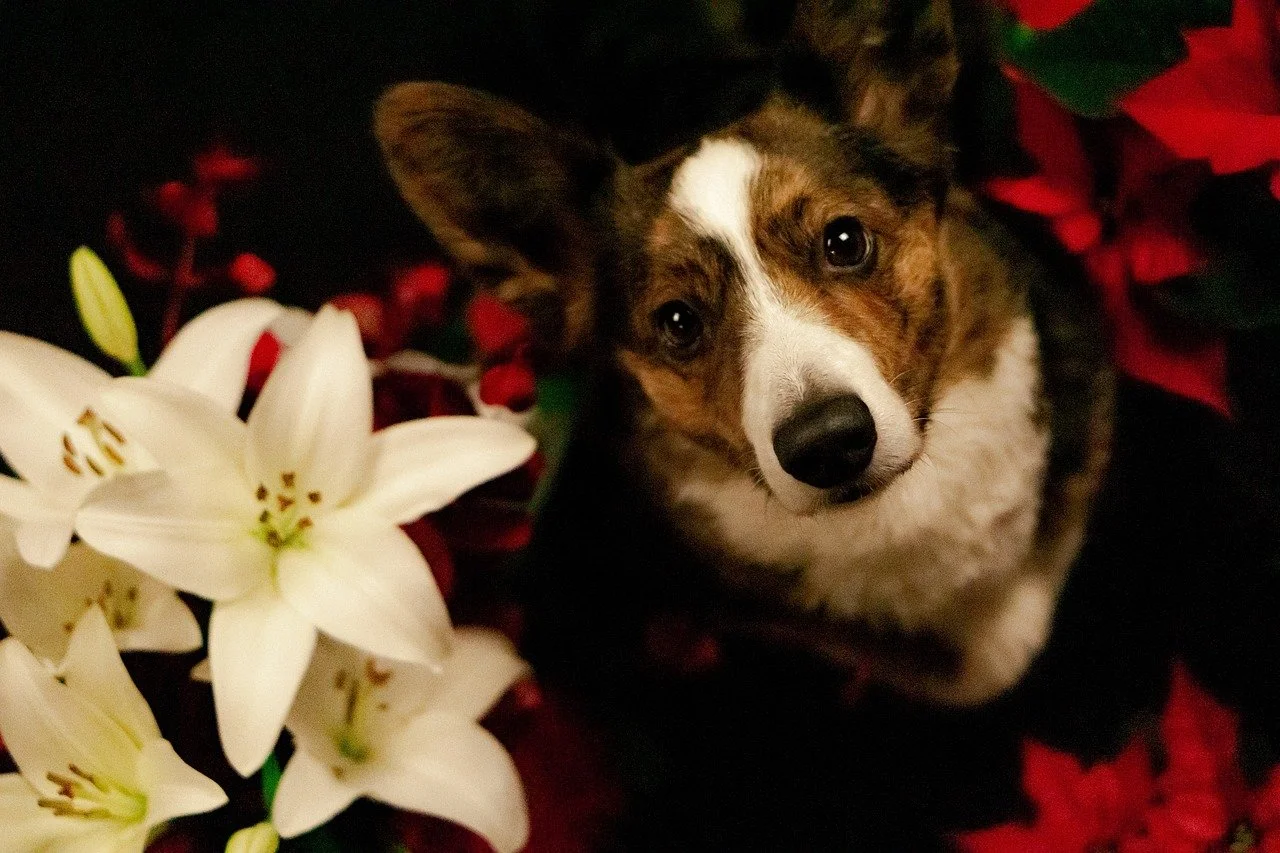
The Lily
Lilies are toxic to both dogs and cats, but the effect is much more severe and can even be fatal for cats.
Lilies
While the lily is more commonly used at Easter, Christmas arrangements sometimes contain lilies. Many lilies are toxic to both dogs and cats but your feline friends are in particular danger with a lily in their presence.
All parts of the lily plant, from the leaves, stems, and flowers, to the water they sit in and the pollen of a lily is extremely toxic to cats. Even tiny amounts can be dangerous.
Some lilies, such as Easter or Asiatic lilies, daylilies, or lily of the valley can cause acute renal failure and can be fatal for your kitty and can make your pup quite sick. They are best to be kept out of a pet home altogether.
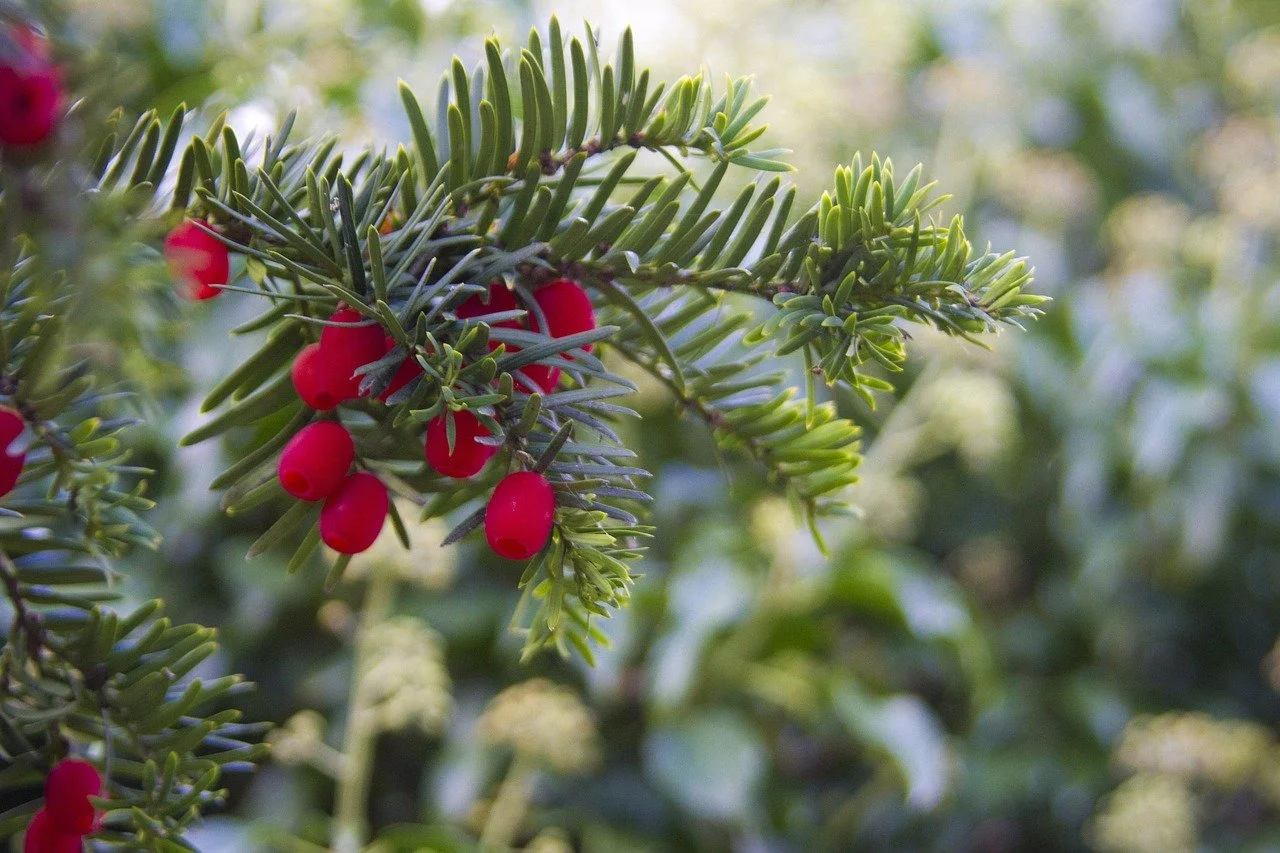
Yew Trees and Greenery
The yew is extremely toxic to both cats and dogs.
Yew Trees and Greenery
Yew foilage and wood have a long-standing tradition in holiday decor. However, if you like to decorate with live plants for the holidays like I do, using yew is not a good idea in a pet-safe home.
All parts of the yew plant are extremely toxic to pets, including the needles, bark, wood and seed. Yew plants contain cardiotoxic alkaloids called taxines. These taxines disrupt the electrical signal in the heart, leading to acute heart failure.
Ingestion can cause death with little to no warning symptoms.
This is one type of greenery to keep well away from your pets and out of our homes!
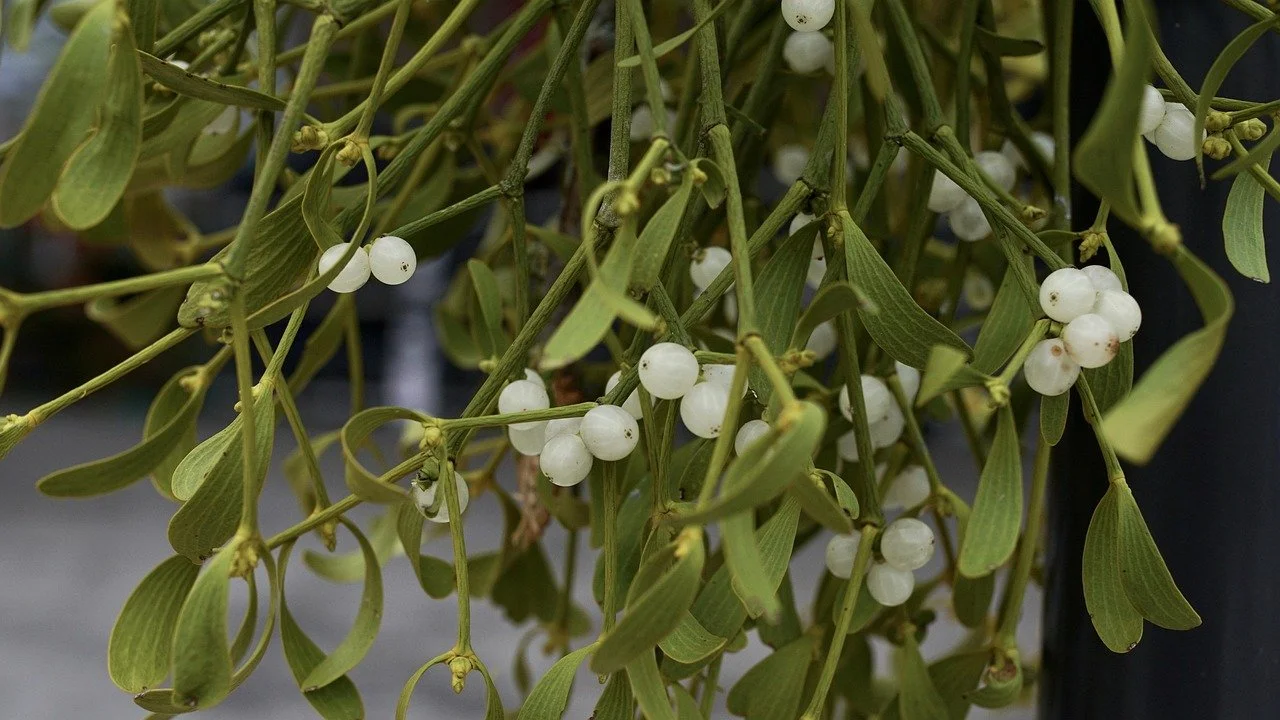
Mistletoe
Mistletoe, particularly European mistletoe is toxic to both cats and dogs.
Mistletoe
While American mistletoe is less dangerous than European mistletoe, both types contain toxalbumins and pharatoxins. The leaves and the stems are more toxic than the berries, though the toxins are in all parts of the plant.
Ingesting smaller amounts can cause drooling, vomiting, diarrhea, and abdominal pain. Large amounts can cause difficulty breathing, weakness, low blood pressure, unsteady walking or even seizures.
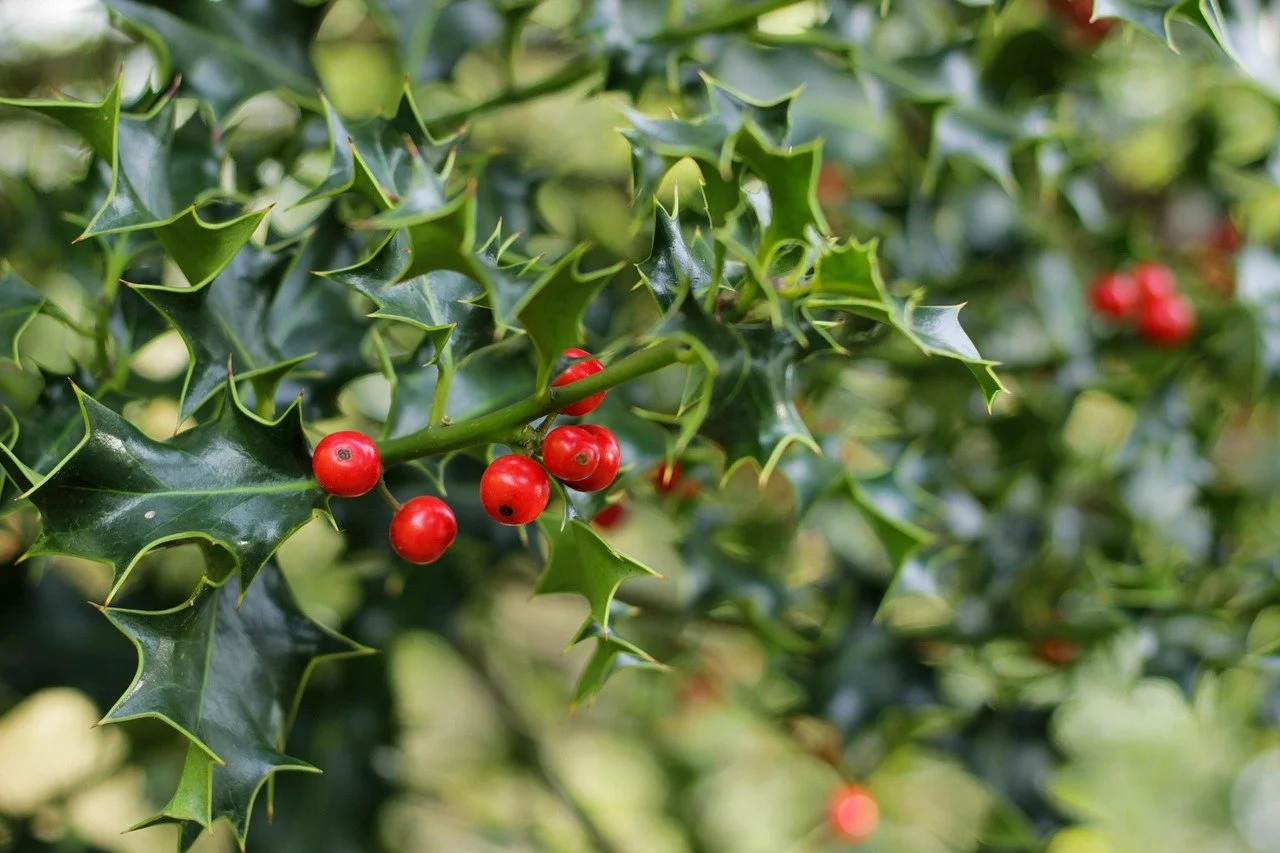
Holly
A classic holiday plant that is toxic and dangerous to both cats and dogs.
Holly
The toxins contained in holly (both American and English holly) are saponins, ilicin, and theobromine. They are found in the bark, leaves, and berries.
They can cause mild to moderate gastrointestinal irritation.
However, perhaps more importantly, the sharp and spiny leaves of holly can cause punctures in your pet’s mouth, tongue, throat, and digestive tract.
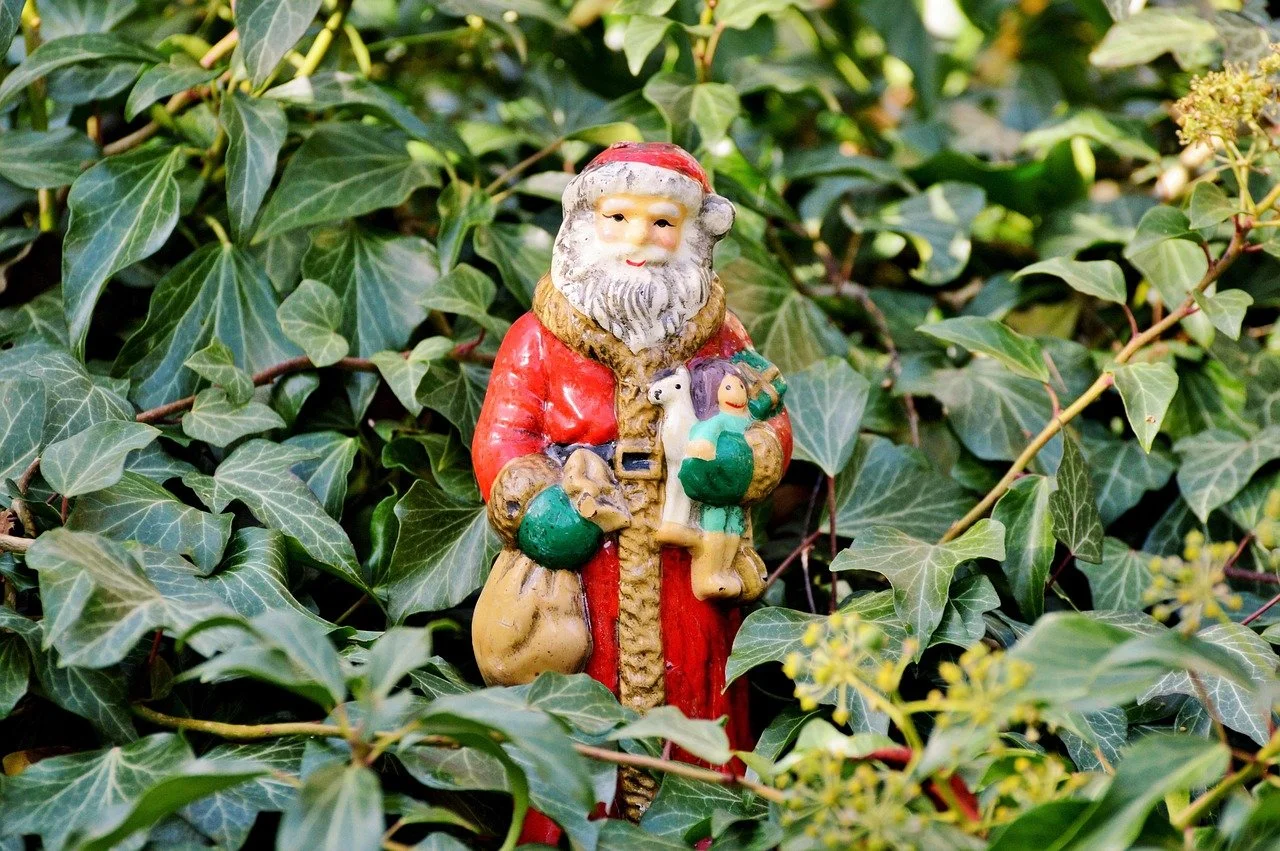
English Ivy
Commonly used in floral arrangements and holiday planters, English ivy is toxic to both cats and dogs.
English Ivy
English ivy contains triterpenoid saponins and polyacetylene throughout the plant. The leaves contain more toxins than the berries.
These toxins can cause vomiting, diarrhea, hypersalivation, and irritation on the skin or in the mouth from contact with the sap of the plant.
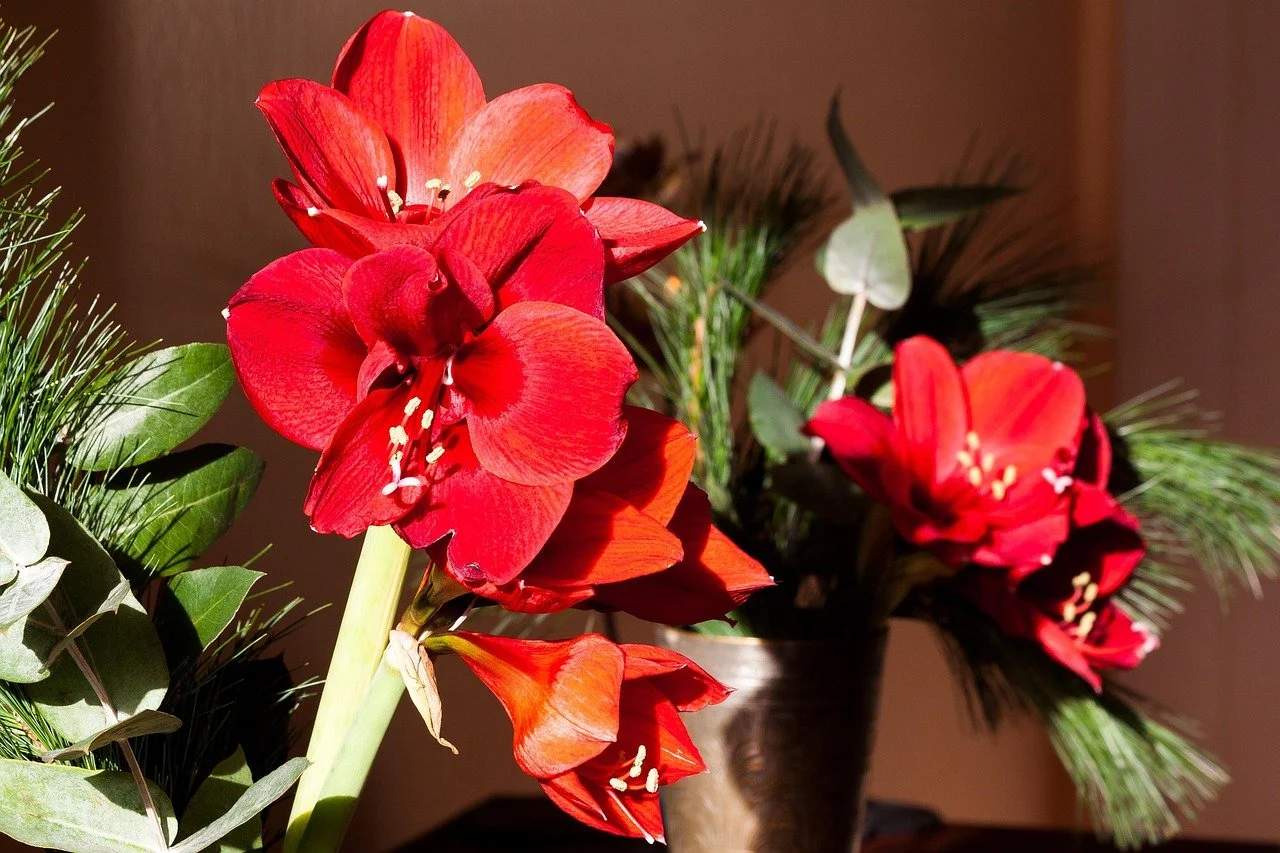
Amaryllis
Amaryllis bulbs are often planted in small pots indoors in the Fall to bloom at Christmas. These plants, particularly the bulbs, are toxic to pets.
Amaryllis
This plant is commonly used as a forced bulb to flower indoors over the holidays. However, if you have a pet, you may want to keep this plant out of your house.
It contains lycorine and other alkaloids, plus raphide oxalate crystals. The bulb, in particular, contains the greatest concentration of toxins, though there are toxins found in all parts of the plant.
Ingestion of an amaryllis plant can cause vomiting, diarrhea, drooling, abdominal pain, loss of appetite, lethargy and tremors.
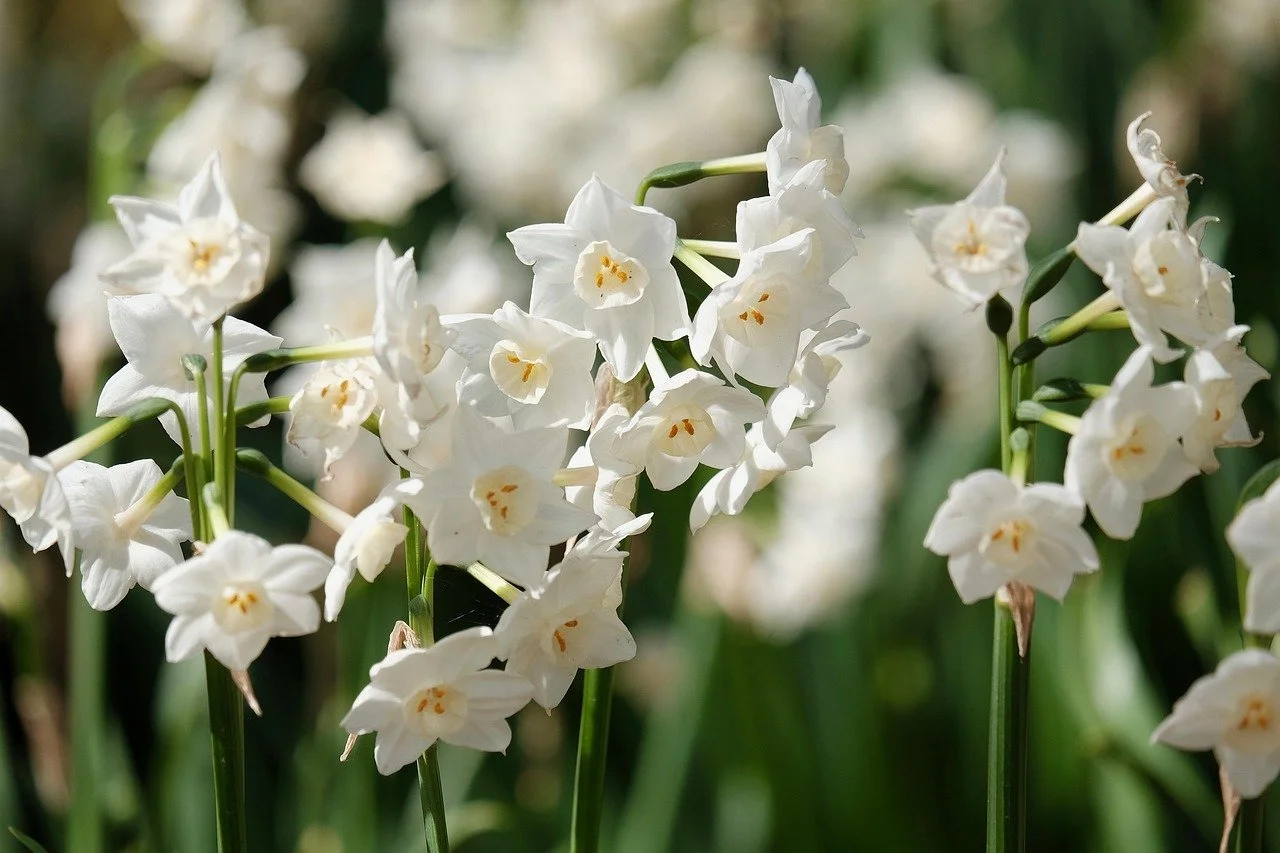
Paperwhites
Another bulb that is commonly planted indoors in late Fall to bloom over the holidays, these bulbs are toxic to dogs and cats.
Paperwhites (Narcissus papyraceus)
Paperwhites are another pretty plant that is often used as a forced bloom bulb over the holidays. These delicate, white blooms are popular as a pretty, minimalistic decoration. However, you should be aware that these plants are toxic to your pets.
They contain lycorine and other poisonous alkaloids. Like many other plants grown from bulbs, these toxins, while present throughout the plant are concentrated in the bulb. And, since these flowers are often grown in clear glass vases with water, the water, if consumed, will also contain these toxins.
Ingestion of small amounts can cause vomiting, diarrhea, and hypersalivation. However, ingestion of larger amounts may cause a drop in blood pressure, tremors, convulsion, and cardiac arrhythmias(erratic heartbeat).
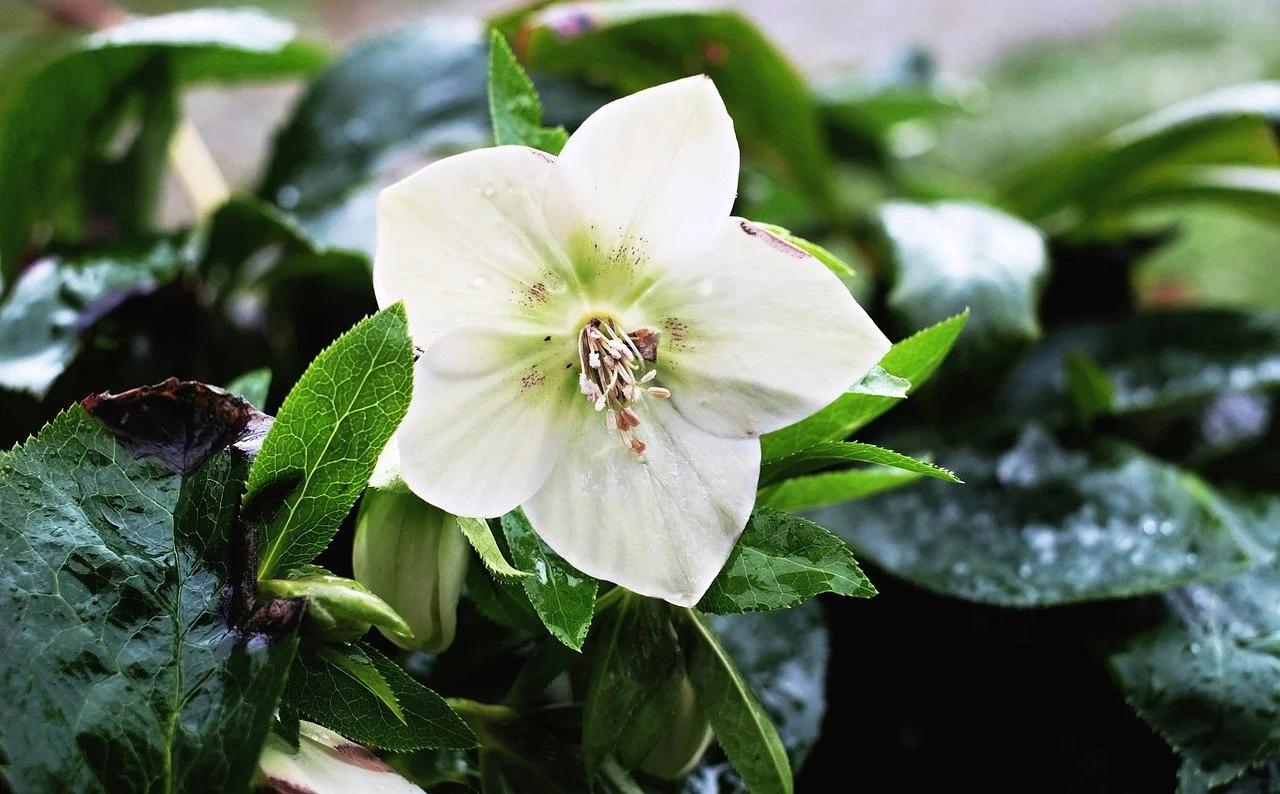
Hellebore
Commonly known as the Christmas rose or Lenten rose, hellebore plants are toxic to our pets but have a bitter taste and tough texture to discourage pets from consuming large amounts.
Hellebore(aka Christmas Rose or Lenten Rose)
Hellebore plants, also known as the Christmas Rose or Lenten Rose are pretty blooms with 5 petals, resembling a star. They are popular as refined alternatives to traditional holiday florals like poinsettias.
However, they contain toxins such as bufadienolides, cardiac glycosides, saponins, and protoanemonin in all parts of the plant, including the roots, stems, leaves, flowers and the sap. The sap can also cause skin or mouth irritation.
Symptoms include excessive drooling, pawing at the mouth, skin irritation in the mouth, on the tongue, or on the skin, abdominal pain, colic, vomiting, diarrhea, and weakness.
In extreme cases, cardiac arrythmias or other cardiovascular issues can occur.
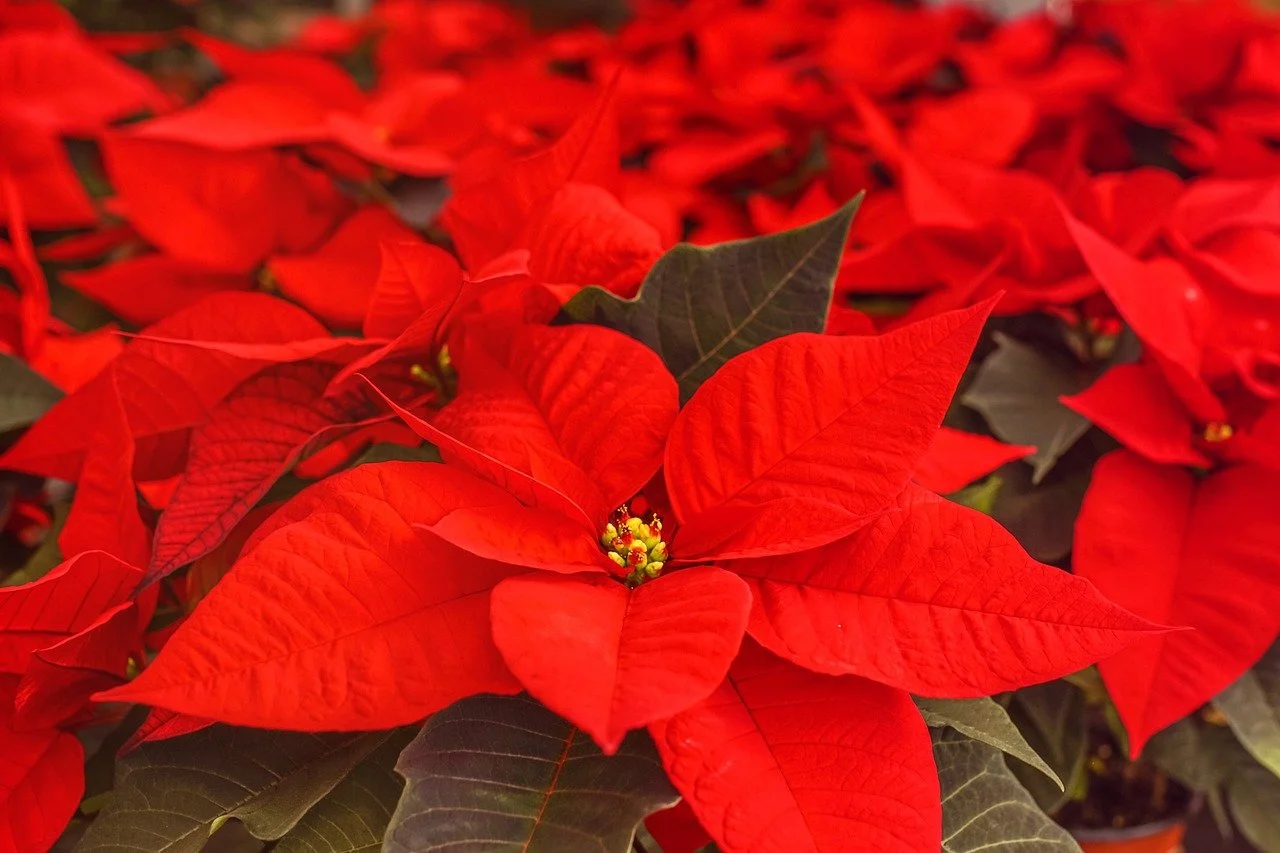
Poinsettia
This plant has earned a reputation for its toxicity to our pets. Though the toxic effects are greatly exaggerated, they still have the ability to cause mouth irritation and an upset stomach for your furry friend.
Poinsettia
This colourful, classic holiday plant is extremely popular. This is one plant that is regarded as highly toxic to pets. However, the truth is, it is only mildly toxic to your pets.
The plants contains a milky, white sap containing diterpenoid euphorbol esters and saponin-like esters. These toxins can cause drooling, lip-smacking, vomiting or diarrhea and sap on the skin can cause redness, mild swelling and itchiness.
However, the symptoms are usually mild and clear up on their own, rarely requiring a visit to the vet.
If you have a particularly curious pet or one that’s insistent on destroying any plant that enters your home, you should probably exercise caution with a poinsettia in your home.
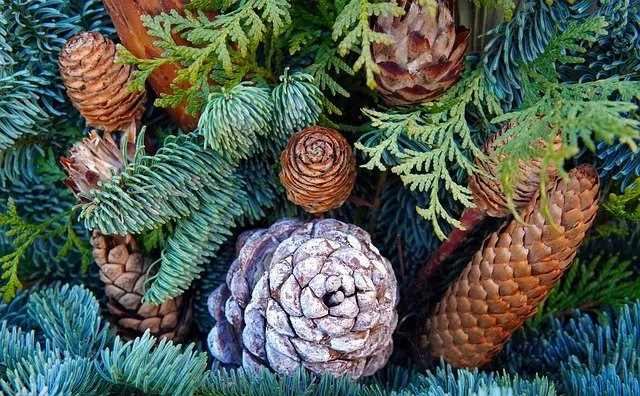
Evergreens
Common holiday greens such as pine and spruce, and some cedar are mildly toxic. Their danger comes more in the form of the sharp needles that may puncture throats, gums, paw pads, or scratch a pet’s eyes.
Evergreens
While evergreens used for Christmas trees, wreaths, centerpieces, and garland, such as pine and spruce, are generally considered to have low levels of toxicity for dogs, ingestion of needles can cause stomach upset and intestinal blockages.
The needles may even puncture your pet’s mouth, gums, throat, stomach, intestine, or paw pads and can scratch their eyes if they have an encounter with your tree.
Cats have a greater risk as they lack the liver enzymes needed to process the oils and sap present in spruce and pine needles. Heavy ingestion can lead to severe liver damage or failure.
Safer Holiday Plant Options for Your Pets
There are plants that you can bring into your pet-friendly home that pose no danger for your furry friends. They can be incorporated into your holiday decor with little to no worries about the safety of your pet.
Using artificial greenery is an option, as well. But nothing beats the real thing so let’s take a look at some safer choices for your holiday decor.
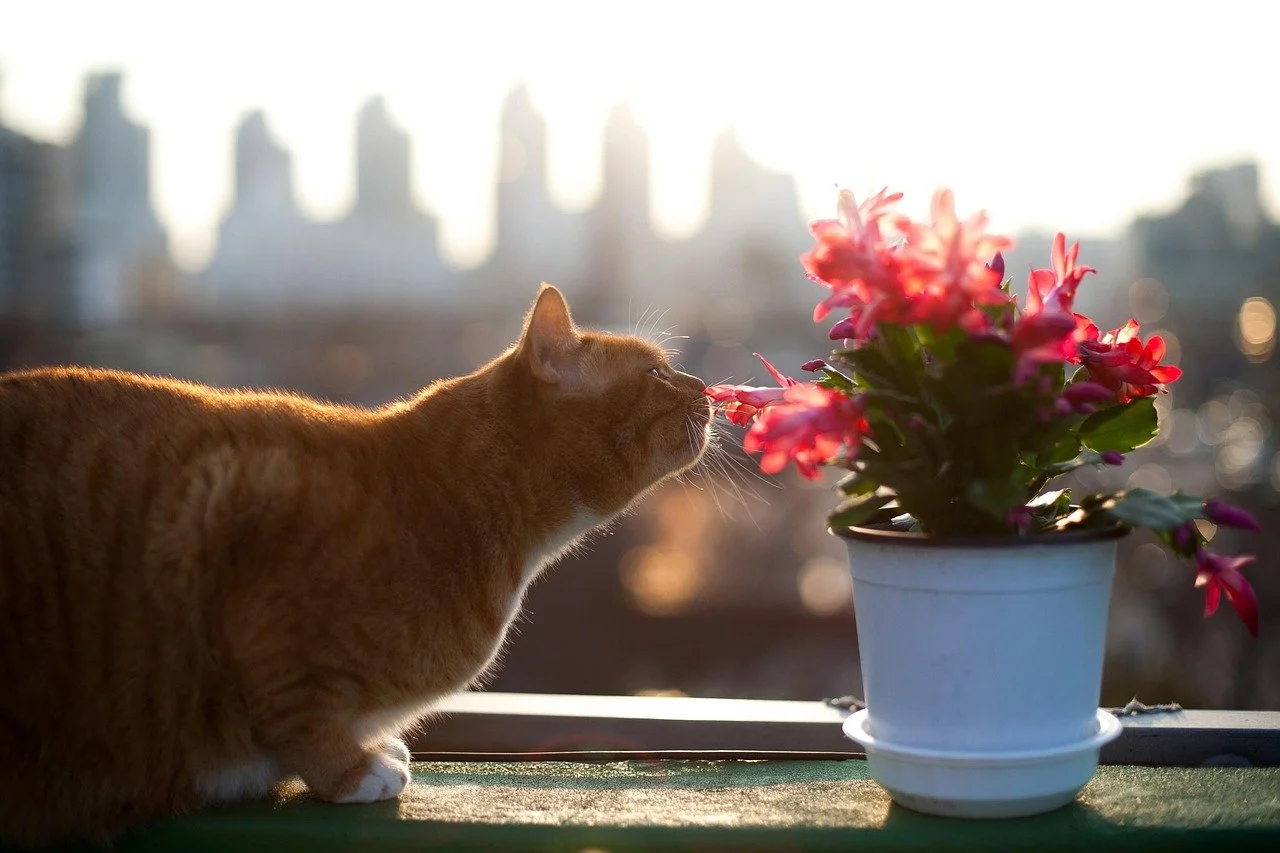
Christmas Cactus
Your kitty or pup can take a little nibble of this classic holiday flower without any harm.
Christmas Cactus
The Christmas cactus often blooms during the holidays and is a bright and cheerful addition to your holiday decor. It’s safe for both dogs and cats, making it an ideal addition to the pet-friendly home.
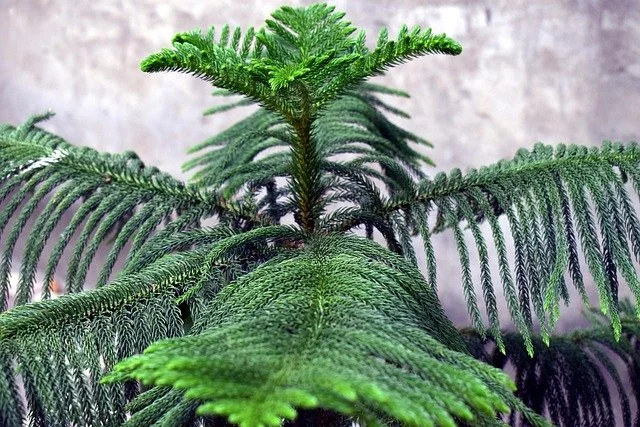
Norfolk Island Pine
A popular as a live potted Christmas tree alternative native to Norfolk Island in the South Pacific.
Norfolk Island Pine
These plants are often used as an alternative to a spruce, fir, or pine Christmas tree. Norfolk Island pines are officially non-toxic to cats and dogs and their needles are much softer and safer if your pet was to have a nibble.
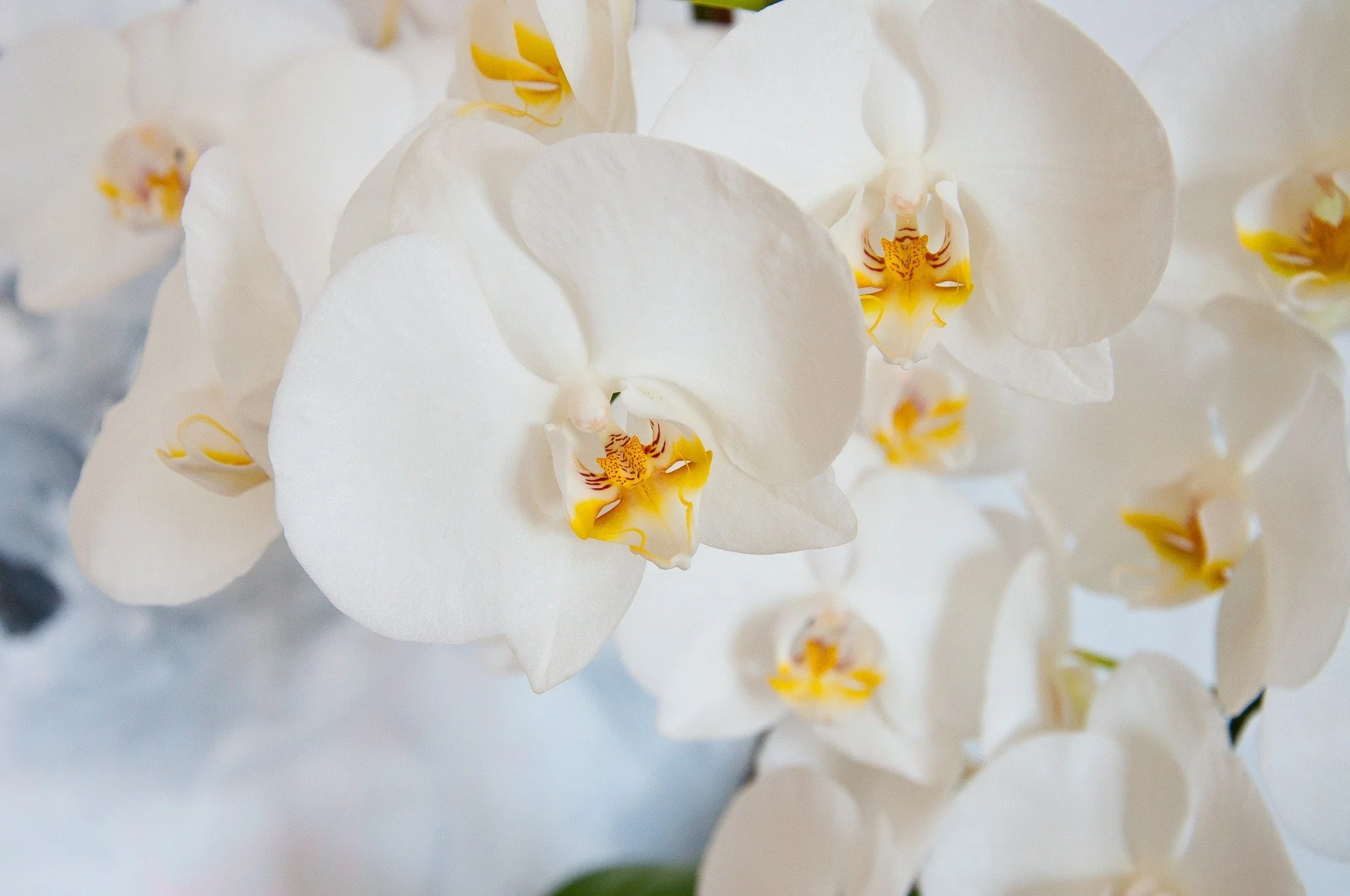
Orchid
Orchid blooms would be a pretty alternative to paperwhites.
Orchid
Using orchids as Christmas decorations brings an exotic, modern look to your decor. The delicate blooms are a beautiful alternative to the toxic paperwhites. And, being a non-toxic plant, they are also a wonderful bloom for pet-friendly holiday decor.
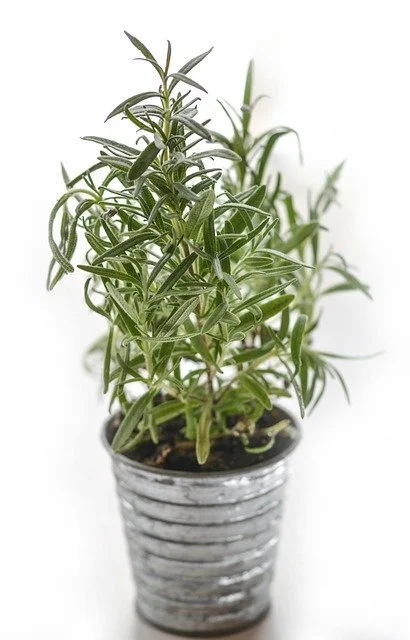
Rosemary
This herb can be trimmed and shaped into a Christmas tree and is considered non-toxic for pets.
Rosemary
Rosemary plants are listed as non-toxic to dogs and cats. They are easy to trim into a Christmas tree shape and can be decorated for the season.
This Christmas, I really want to grow a rosemary plant in my kitchen and go all-out with fairy lights and teeny decorations. Then I can use the plant after the holiday for cooking. Nothing will go to waste. I love that!
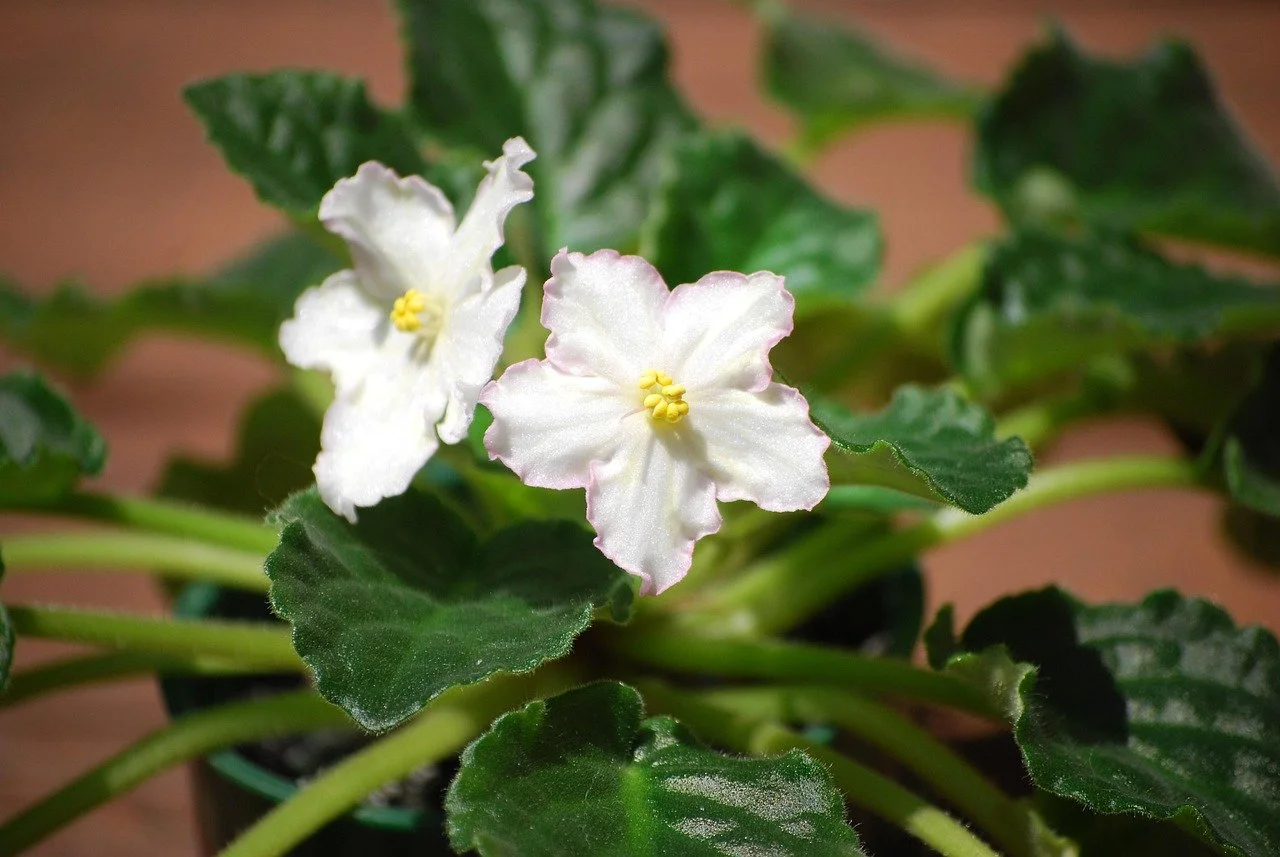
African Violet
A classic, pet-safe flower that can be used in holiday planters.
African Violet
This plant is a classic pet-friendly plant. Tuck it into a centerpiece with some greenery and candles or display on its own in a holiday themed planter for a pretty addition to your pet-friendly home.
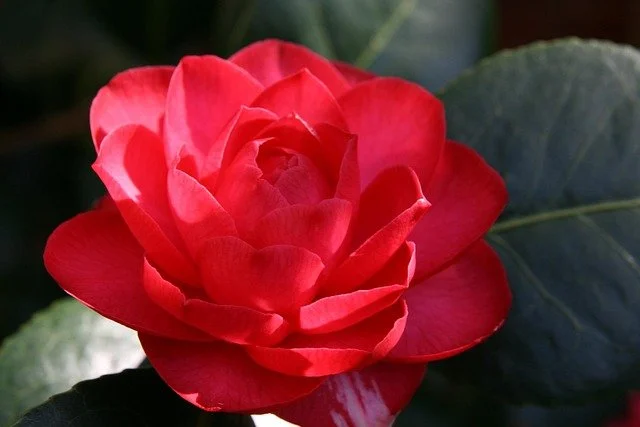
Camelia
Camellia plants bloom in Winter, making them a festive choice for holiday decor.
Camellia
As a beautiful alternative to a toxic flower such as the amaryllis, camellia flowers make gorgeous additions to your holiday decor. And, because they are non-toxic to cats and dogs, you don’t have to worry about your furry friends.
Our Pet-Safe Holidays
While there are many common holiday plants that pose risks to your pets, the good news is, there are many safe options that you can use in your home with just a little creativity to still have that festive feeling.
If you have a pet that just can’t leave plants and flowers alone in your home, you will need to be particularly careful about the plants you bring inside.
Every year, we bring a potted balsam fir into our home and then plant it on our property. There is no concern with bacteria in the tree water that a cut tree can pose, since the tree is potted, not sitting in water.
Neither Lucy or Hunter takes any interest in the tree and we put it up on a small table where it’s out of reach, just in case.
Flowers are something that Hunter is immediately drawn to so we only bring pet-friendly blooms into our home. And, if I’m bringing a plant or flowers to a friend, I know their pets(of course!) and only bring those that are pet friendly into their home.
Any holiday greenery we have is either artificial or hung well out of reach of our pets to keep them safe and give us peace of mind in this season of peace!
Related Articles
Protect your Christmas tree and protect your kitty!
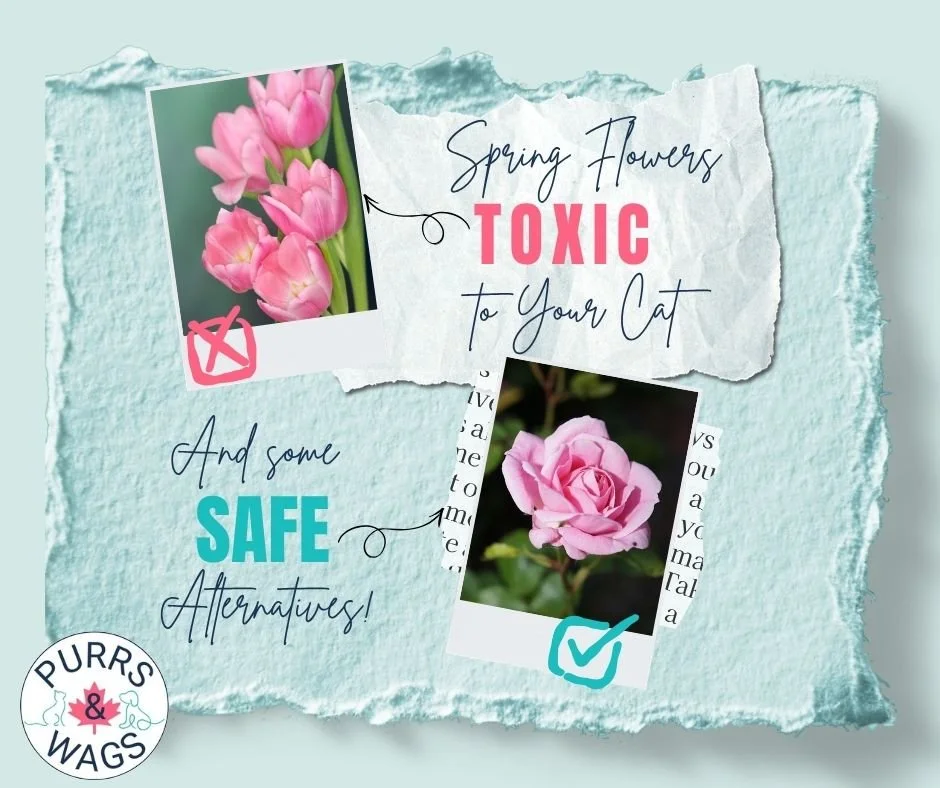
Keep your kitty away from these Spring flowers to keep them safe and healthy!
