
Autumn Safety Tips for Your Pets
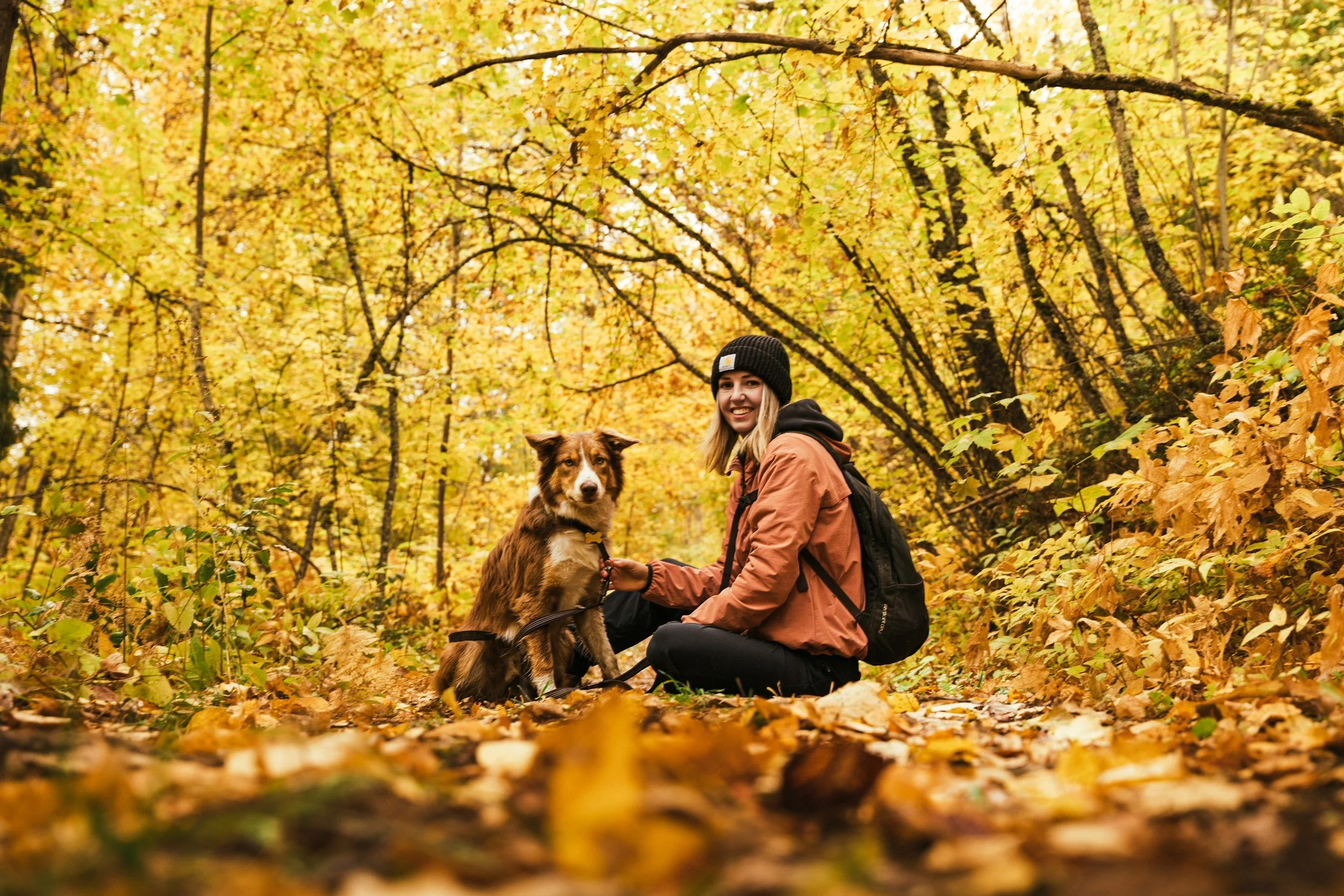
With the arrival of Autumn comes crisp, cool air, vibrant Fall leaves, and delicious treats made with apple, pumpkin and other harvest delights. Think of long hikes in a golden forest with your pup and curling up with a blanket, a book, and your feline friend by the fireplace.
However, along with the fun of the season, there can be unique seasonal hazards for our furry friends that we need to recognize. To keep your pets safe and secure this season, be on the lookout for unique Autumn hazards that can spoil all that fun.
Disclosure: As an Amazon associate, this post contains affiliate links. If you follow one of these links and make a purchase, I may earn a commission, at no extra cost to you. This helps support this blog and my ability to keep bringing you important articles regarding the care and life enrichment of your precious fur kids.
Fall Pet Dangers
There are multiple hazards that your pet could encounter in the Fall season. Learn what to watch for and how to protect your pet from these dangers.
Mushroom Toxicity
With cooler weather and Fall rains, mushrooms and other fungi have a habit of popping up in your lawn overnight.
Mushroom toxicity can be downright dangerous to your pets so it’s best to keep an eye out and remove them from your yard and steer clear of them on your neighbourhood walks and trail excursions.
Toxic Fall Plants
Mums(chrysanthemums) are bright and cheery flowers that we love to use in Fall to decorate inside and outside are homes. Available shades of yellow, purple, burgundy, white, and orange, these popular Fall plants certainly brighten up our gardens when the rest of our flowers are looking tired. But mums are actually toxic to our pets.
They contain pyrethrins, a natural insecticide, sesquiterpene lactones, and essentials oils that can cause everything in our pets from upset stomach, vomiting, skin irritation, and loss of balance or coordination.
Then there’s autumn crocuses. These innocent looking little plants pack a punch, containing a dangerous alkaloid called colchicine.
Ingestion of this plant is fatal to not only cats and dogs, but also horses and humans. This is definitely a plant that is better left out of your gardening plans.
Having Spring flowering bulbs around to plant or allowing your pets near them is also a concern. Many Spring bulbs have natural predator protection built into them in the form of natural chemicals.
Bulbs such as daffodils, tulips, hyacinths, lilies, and crocuses are toxic to our pets.
It’s best to keep them out of reach and to keep your pets away when you’re planting them this Fall.
Try to choose an area that pets don’t frequent, even if they’re not your own pets.
Harvest and Halloween Decor Hazards
When we’re decorating our homes for Fall and Halloween, it’s important to keep pet safety in mind.
Corn cobs can be chewed, causing a choking hazard and intestinal blockages that can wind up with your pet in surgery…or worse.
String lights should be kept out of reach of curious furry friends, especially kittens and puppies who are prone to chewing.
Pumpkins, while good for our pets, can grow mold that can be harmful to our pets. Treating them with a 1:10 mixture of white vinegar to water will help keep the nasties away.
While those delicious smelling candles we love to light in the Fall to make our homes feel and smell so cozy, an errant tail wag or a curious murder mitten can end up causing burns to our pets or even house fires.
Also, if you’re lucky enough to have a fireplace or if you’re outside with your pet by a bonfire, be sure to keep them from getting too close to the fire.
Reduced Daylight Dangers and Cooler Temperatures
As the days grow shorter and cooler, we need to adjust our pet’s routines and wardrobe.
Cool, wet weather can be a danger for pets if they get chilled or are outside too long. The Fall danger is unique because your pet will be accustomed to warmer temperatures and not acclimated to Fall weather, especially those pop-up showers that Autumn can bring.
Walking in the dark can make you and your dog more difficult to see, putting both you and your dog at risk.
With shorter hours of daylight, especially in northern areas, there will be a greater chance that you will be walking your dog in the dark, whether it’s early in the morning or in the evening hours.
Your cat left to run loose is certainly more at risk in the dark of being struck by cars or getting lost. Fall rains may cause your cat to duck into strange sheds or garages and find themselves trapped.
Wild animals tend to come out more in the cover of darkness, especially when they are foraging for food in the Fall. An encounter with a coyote, fox, or even a dog can be dangerous.
And, in wooded or more remote areas, bears, wolves and other predators can take that danger to a whole new level.
Halloween Candy Threats
Halloween candy often contains ingredients that are toxic to pets, aside from the sugar blast.
Chocolate contains theobromine and caffeine, which pets can’t process. The smaller your pet, the larger the threat. However, even a large dog, if they consume enough, is at risk.
Xylitol is a sugar substitute often found in gum and candies. It can cause rapid blood sugar drops, liver failure and seizures.
The treat-sized boxes of raisins or chocolate covered raisins that are sometimes given out at Halloween and raisins are highly toxic to cats and dogs.
And, while a treat or two may or may not harm your pet, depending on their size, if your pet gets into the giant bag of treats you have set aside for Halloween trick-or-treaters, the bowl of treats on Halloween night, or into your child’s loot bag, they could be at risk.
On top of the dangerous ingredients of the treats, the wrappers themselves can cause intestinal blockages and bowel obstructions. Hard candies and lollipop sticks can cause choking hazards.
Keep those treats well protected from your pets and make sure that your children know that these treats are not for sharing with their furry friends.
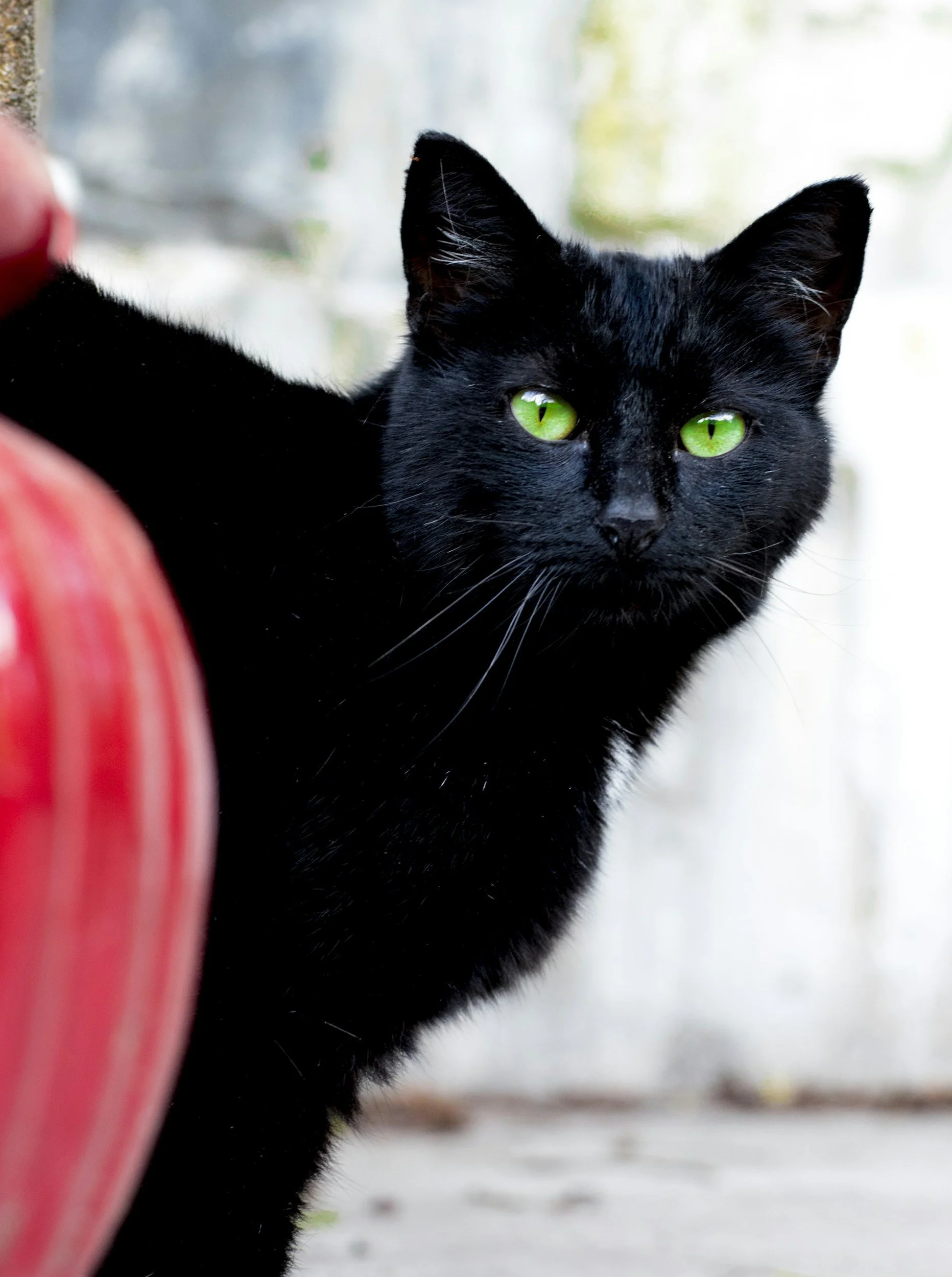
The Classic Halloween Cat
Cats are better kept inside where it’s warm and dry, where they don’t wander on to dark streets, and where they aren’t a target for predators and unscrupulous people.
Fallen Leaf Dangers
Piles of fallen leaves can hide a multitude of dangers for pets.
Wet, rotting leaves can grow fungi, mold, and bacteria that can endanger your pet’s health.
Hidden debris such as thorns, sharp sticks, holes, and hidden trash can cut your pet’s paws, skin, or eyes.
Snakes can hide in leaf piles, leaving your pets at risk for snake bites.
Speaking of bites, ticks will often retreat to piles of leaves to keep warm and your pet can easily pick up ticks from that leaf litter.
Swallowing leaves, either wet or dry, can cause intestinal blockages. On top of that, some leaves, such as those of the black walnut, azalea or oak tree contain natural toxins that can poison your pet, causing severe stomach upset and organ stress.
Rodent Poisoning and Your Pets
With the cooler weather, rodents will attempt to find a warm, cozy spot. That may mean moving into your sheds, garages, or even your home.
Using rodenticides puts both your cats and dogs at risk. If they’re able to get to the bait, they may ingest the poison.
Also, secondary poisoning can occur if your cat or dog catches, kills, and consumes a mouse or rat that has consumed the poison.
It’s best not to use rodenticides if you have pets. You should also keep your pets away from neighbour’s homes that may use these products. This is yet another danger of letting your animals roam freely in your neighbourhood.
Toxic Acorns and Other Nuts
Some of the nuts falling from trees in the Fall season are toxic to pets. Black walnuts, acorns, pecans, hickory nuts buckeyes, and horse chestnuts are all toxic to pets in varying degrees and are fairly common in our yards in one part of the world or another.
They can even be a choking hazard if your dog tries to ingest them. They’re best to be removed from your yard. At the very least, you should keep a careful eye on your dog when they’re in your yard if you have nut trees.
Pet Pest Risks
We tend to think of pet pests, such as mosquitoes, fleas and ticks as a summer issue. But these pests can remain a risk well into the Autumn season.
Mosquitoes are still active above 10ºC(50ºF). Fleas remain active until about 8ºC(46ºF). Ticks remain active above 4ºC(40ºF).
So, as you can tell, these pests are still a concern well into Fall. And, if they can hitch a ride on your pet, when they come inside where it’s warm, they can become active again.
Pest protection is still important this time of year and shouldn’t be forgotten or ignored.
Ticks, in particular, are resistant to cold and will come out for a bite even in Winter when we get a thaw. So, they’re definitely still around in the Fall weather.
Toxic Human Party Foods
As we begin to gather this Fall for Thanksgiving meals and Halloween parties, we need to keep an eye out for foods that are toxic and dangerous to our pets.
From nuts, raisins, chocolate, and alcohol left on coffee tables to turkey bones in the garbage or Halloween candy hiding in treat bags, we need to be aware of the dangers these foods can cause and keep them well out of reach from our pets.
For a more detailed list and explanation of the dangers, check out Human Foods to Keep Away From Your Pets.
Final Thoughts on Fall Pet Safety
Keep your yard cleared of mushrooms and nuts. They can pop up(or fall) overnight so make sure you check all the time in cool, damp weather, especially. Keep your dog away from mushrooms and nuts when out on walks(another good reason not to let your dogs roam free on walks).
Avoid letting your dog play or explore piles of leaves unless you know exactly what’s in those piles. From holes, sharp sticks, and hidden garbage to snakes, mold, and ticks, that innocent looking leaf pile can cause all kinds of dangers.
When putting up your Fall and Halloween decorations, be aware of hazards that they can present to curious pets, whether it’s choking hazards, burns, or electrocution.
You can use GPS dog trackers in case your dog runs away and gets lost in the extending hours of darkness.
I also like this Tabcat Cat Tracker for your feline friend. It doesn’t rely on GPS so, if your cat decides to crawl into a shed or garage, or some other shelter, the tracker will still work to locate your kitty. Of course, your best bet for keeping your cat safe is to keep them inside, especially at night. For all the reasons to keep your cat indoors, read 15 Reasons to Keep Your Cat Indoors.
Break out the warm gear to keep your pets warm on cool days. Use reflective or LED light up gear when walking your dog after sunset. Also, you may need raingear for your dog as getting their fur wet in cooler weather can quickly take a pleasant walk into a dangerous situation.
Continue your pet’s heartworm, flea, and tick prevention regimen into the Fall. These pests are still biting so don’t let them transmit disease to your pets.
Keep your pets away from dangerous foods such as Halloween candy and chocolate, onions and garlic in foods, turkey bones, or alcohol at your Fall get-togethers such as Halloween parties and Thanksgiving get-togethers.
Related Posts
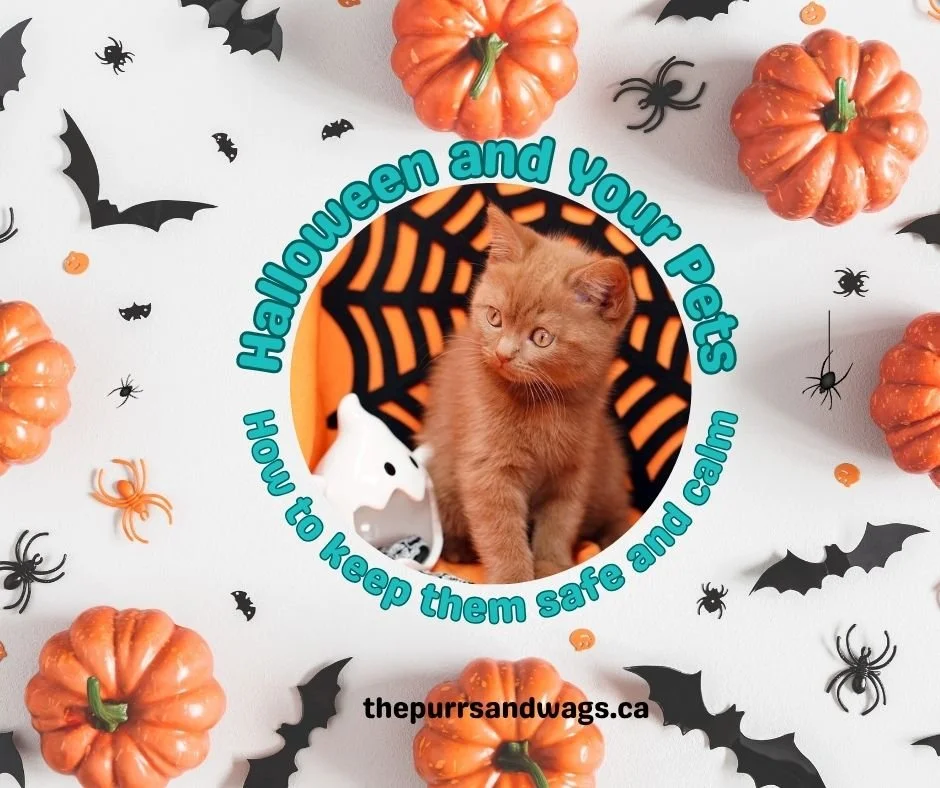
A guide to keeping your pets safe and calm this Halloween.

A guide to foods that humans enjoy that can be toxic or dangerous to our furry friends.
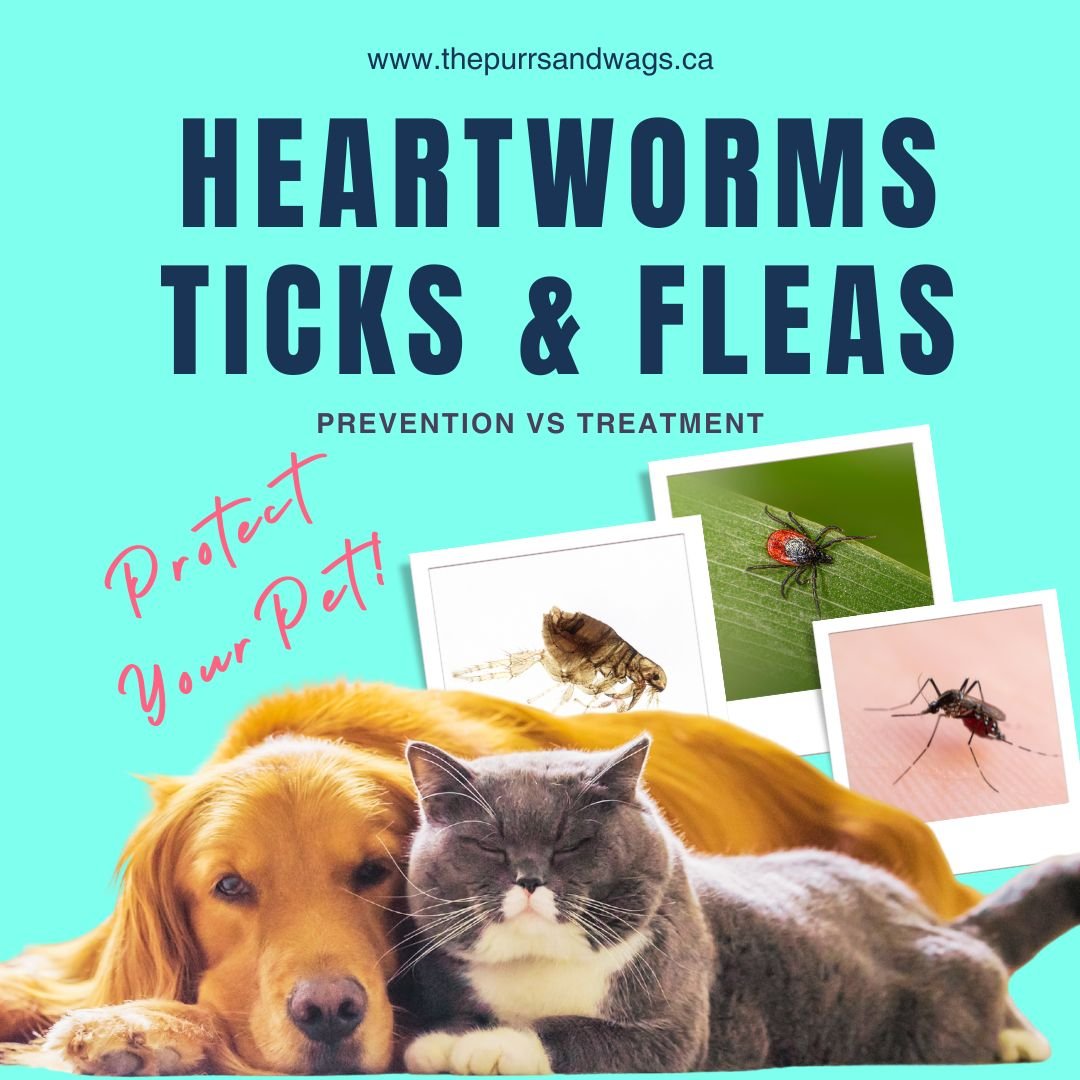
An article outlining the importance of pet pest prevention and its role in the health of your pet vs treating the diseases these medicines prevent.
