
Human Foods to Keep Away From Your Pets
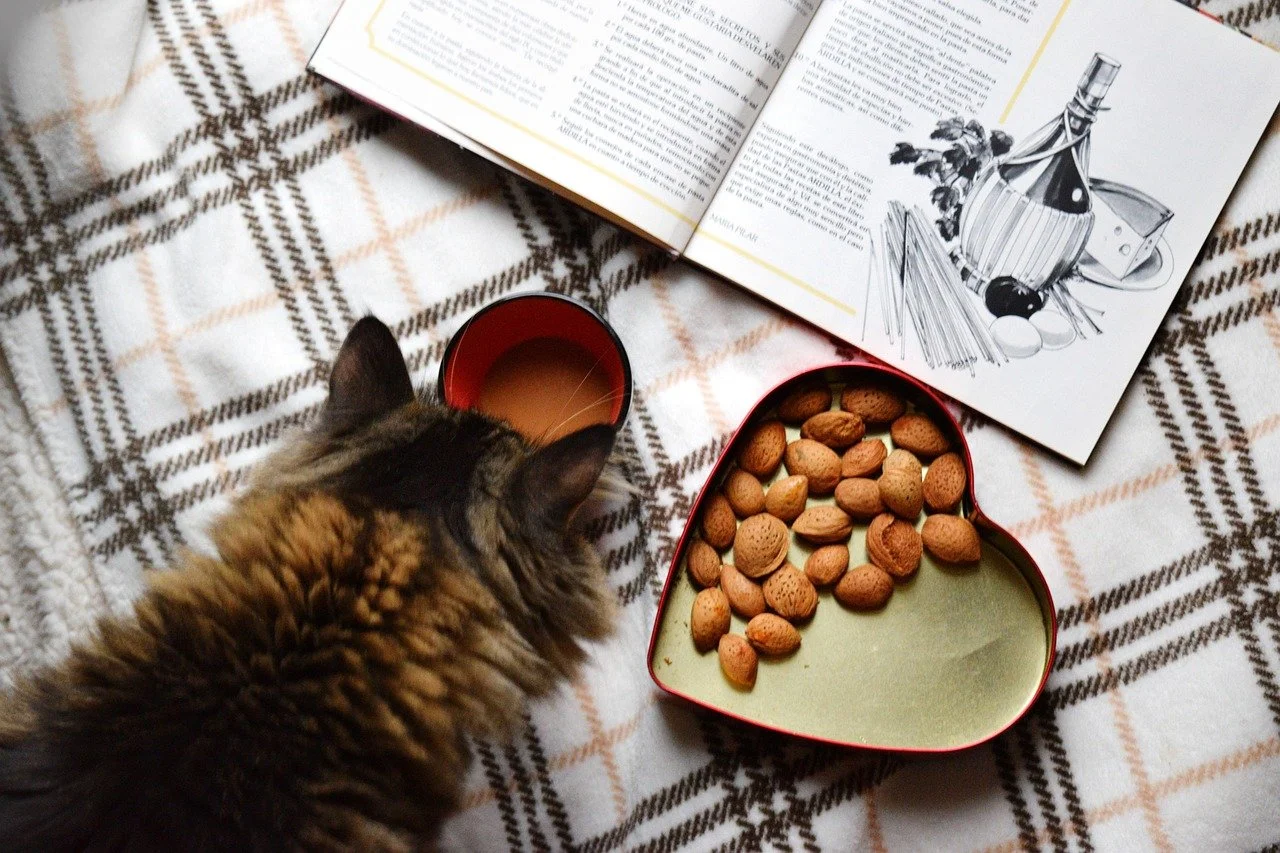
Curiousity and the Cat
There are human foods that we enjoy that we need to keep away from our pets.
Do you know what these foods are?
When holidays come around, we gather with family and friends to celebrate.
For most of us, that means foods and drinks as a part of our celebrations.
And, as we mingle and children play, these foods and drinks are left on the coffee table, dropped on the floor, or randomly offered to our pets by sweet, well-meaning kiddos.
That means lots of foods around for our dogs and cats to get themselves into a whole heap of trouble.
What are the foods you need to keep away from your pets?
Why are these foods dangerous?
What can you do to keep your pets safe?
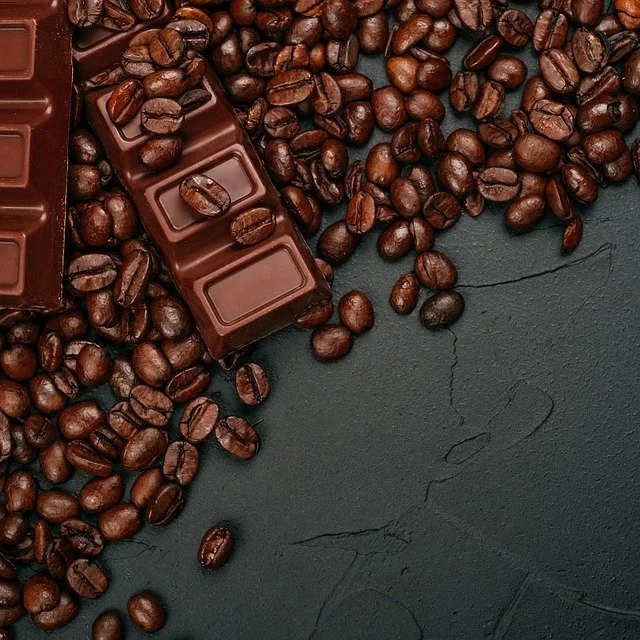
Chocolate
A huge part of the holiday season, we need to be extra careful to keep this tasty treat away from our pets.
Delicious, yes.
Dangerous? For your pet, also yes.
CHOCOLATE
I feel like this is one that a lot of people know. But its toxicity makes it worth the reminder.
Chocolate contains theobromine and caffeine, which are both toxic to dogs and cats.
The severity of the toxicity will depend on the type and amount of chocolate consumed. The darker and more bitter the chocolate, the more dangerous it is.
Cats and small dogs are especially in danger as their relative size will mean that only small amounts can have extreme toxic effects. But even large dogs can consume enough to cause severe toxic effects.
Symptoms include vomiting, diarrhea, increased body temperature, agitation, muscle rigidity, rapid breathing, low blood pressure and seizures.
If you suspect your pet has eaten chocolate, contact your vet or emergency vet clinic immediately.
ONION FAMILY
(Onions, leeks, chives, garlic)
Onions and other members of the Allium family can lead to a condition called hemolytic anemia. Onions contain compounds that damage red blood cells, affecting the blood’s ability to carry oxygen throughout the body.
Onions can be obvious in our meals but can also be hidden in sauces, gravies, soups and lots of delicious meals that our pets would be more than thrilled to share.
Symptoms can include vomiting, weakness, pale gums, drooling, abdominal pain, and red or brown-coloured urine. The coloured urine is caused by the damaged red blood cells exiting the body.
Contact your veterinarian immediately if your pet has gotten into something containing onions(or anything in the onion family) or if you detect any of these symptoms. It’s crucial to get help, especially if you don’t know exactly how much your pet has consumed.
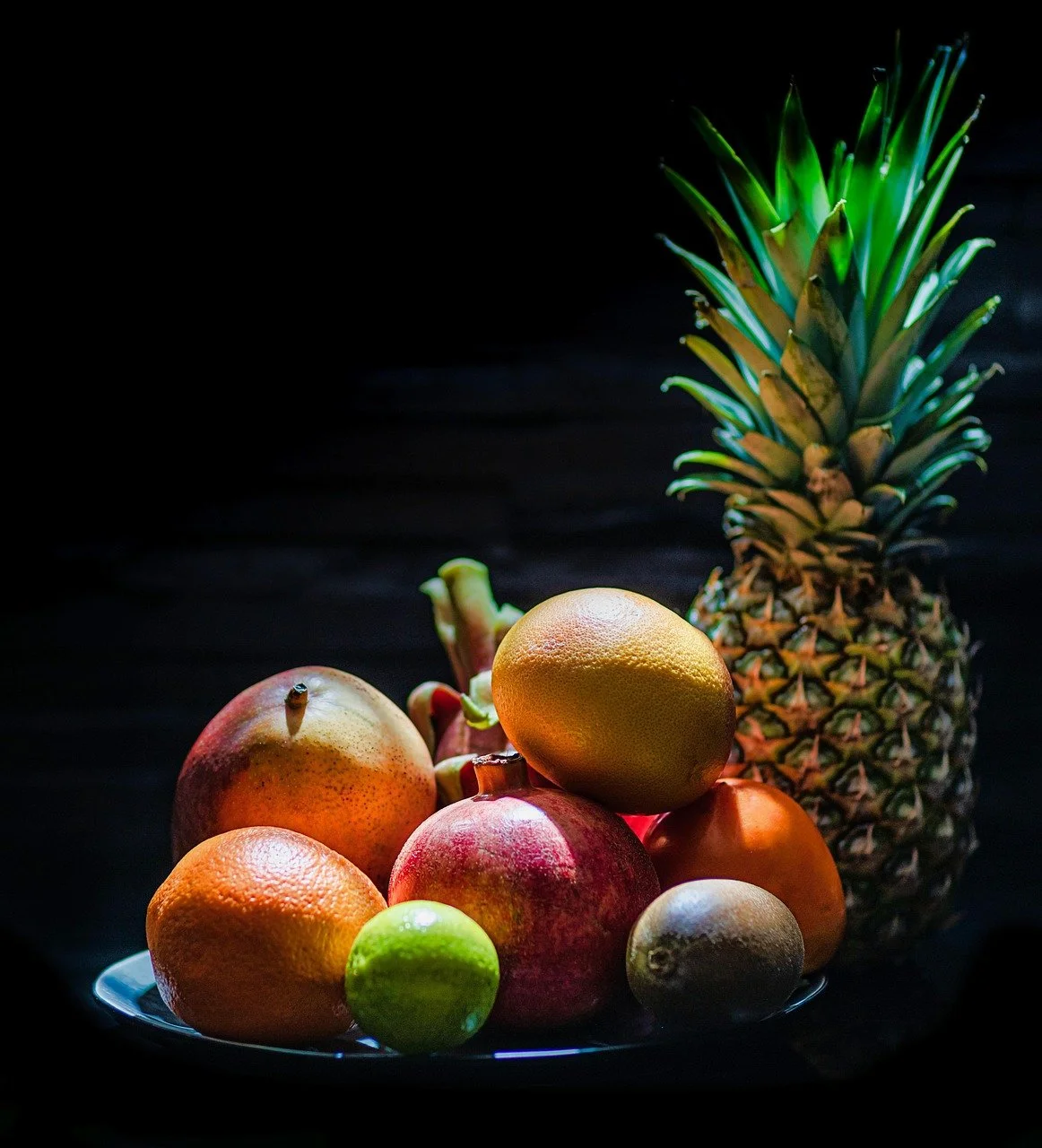
The Dangers of Fruit to Your Pets
You need to be aware of certain fruits for your curious pets. Skins, stems and seeds, in particular, can cause a multitude of issues.
CERTAIN FRUITS
(Peaches, plums, cherries, apple seeds, pear seeds, citrus)
The seeds and pits of these fruits contain cyanide, which is toxic to our pets. The pits are both a choking hazard and can cause intestinal blockages.
A small amount of the flesh of these fruits on occasion is fine, but these fruits are high in natural sugars. They should be restricted to an occasional treat with absolutely no access to the seeds.
Citrus fruits contain compounds like citric acid, limonene, and psoralens that can be toxic. Cats are especially susceptible to the toxic effects. Luckily, they are more discerning than dogs when it comes to what they’ll consume and don’t like the smell of citrus fruits. This is why some people put citrus peels around the base of their plants and Christmas tree to keep cats away. I wouldn’t recommmend it.
Symptoms of fruit poisoning include vomiting, diarrhea, drooling, tremors or, in severe cases, seizures. If your pet has consumed fruit, especially the peels, stems, leaves, or seeds, seek veterinary care.
COOKED BONES
When bones are cooked, they become brittle and can splinter. They become a choking hazard or can cause damage in the digestive tract leading to blockages, internal bleeding or ruptures in the mouth, throat, stomach, or intestines.
Keep pets from counter-surfing and out of your garbage to avoid dangerous situations. Don’t leave your turkey carcass sitting out for a curious pet to find. Your cat’s ability to jump may bring them face to face with a temptation they can’t resist.
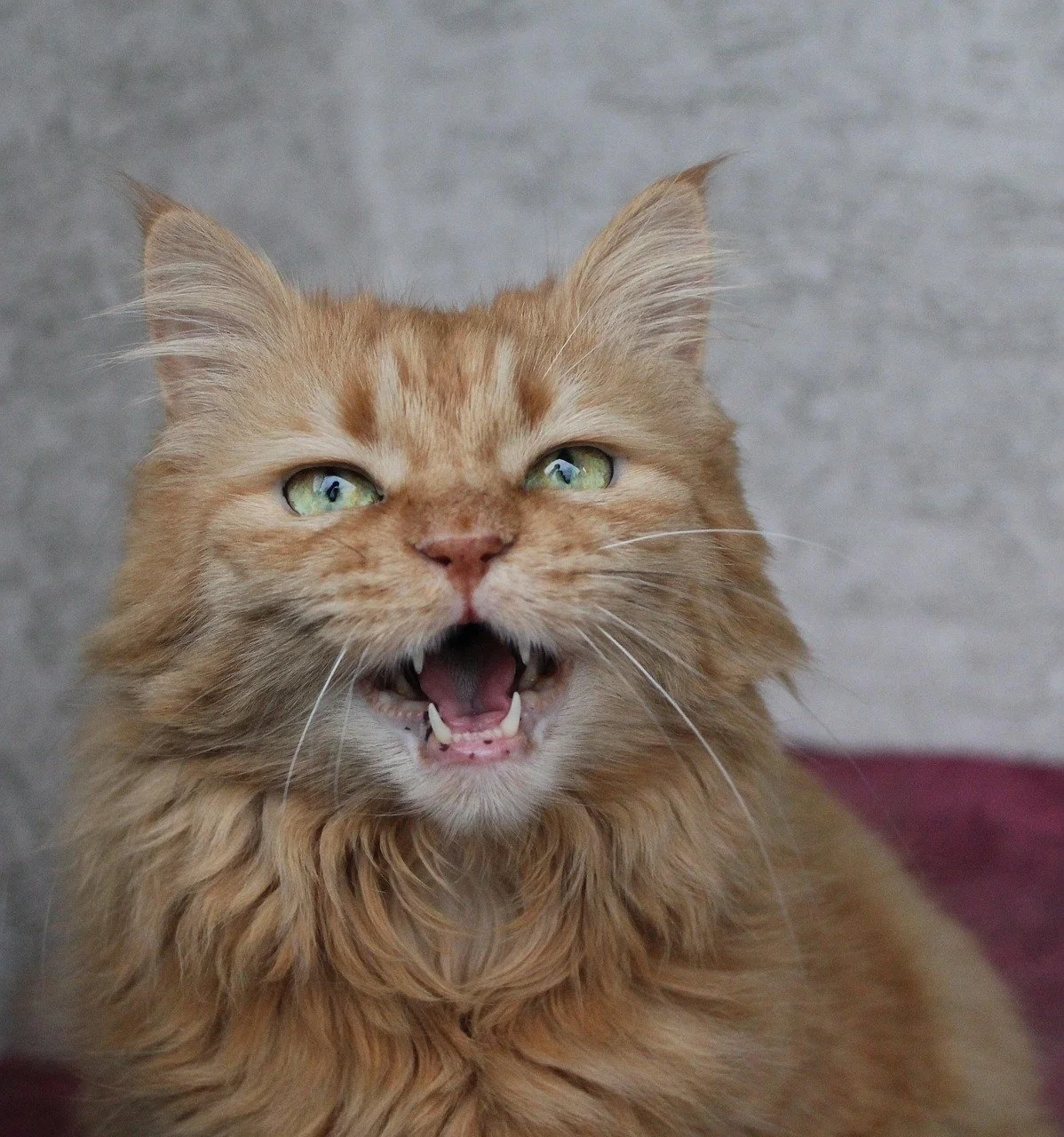
Cats can be very insistent
Despite their sometimes demanding nature, we cannot give in when it comes to keeping them safe and healthy.
DAIRY PRODUCTS
Most dogs and cats are lactose intolerant, to an extent. Even for kittens, cow’s milk is not the most appropriate drink, despite ongoing displays in TV shows and movies.
Some pets can tolerate small amounts of plain, unsweetened yogurt as part of a treat. But be aware that your pet may not be able tolerate it. Plain Greek yogurt is higher in protein and contains less sugar so it can be included as a healthy treat if your pet doesn’t suffer any ill effects.
But be very careful to avoid yogurts with added sugars, chocolate, or xylitol, an artificial sugar that is toxic to pets (also on this list).
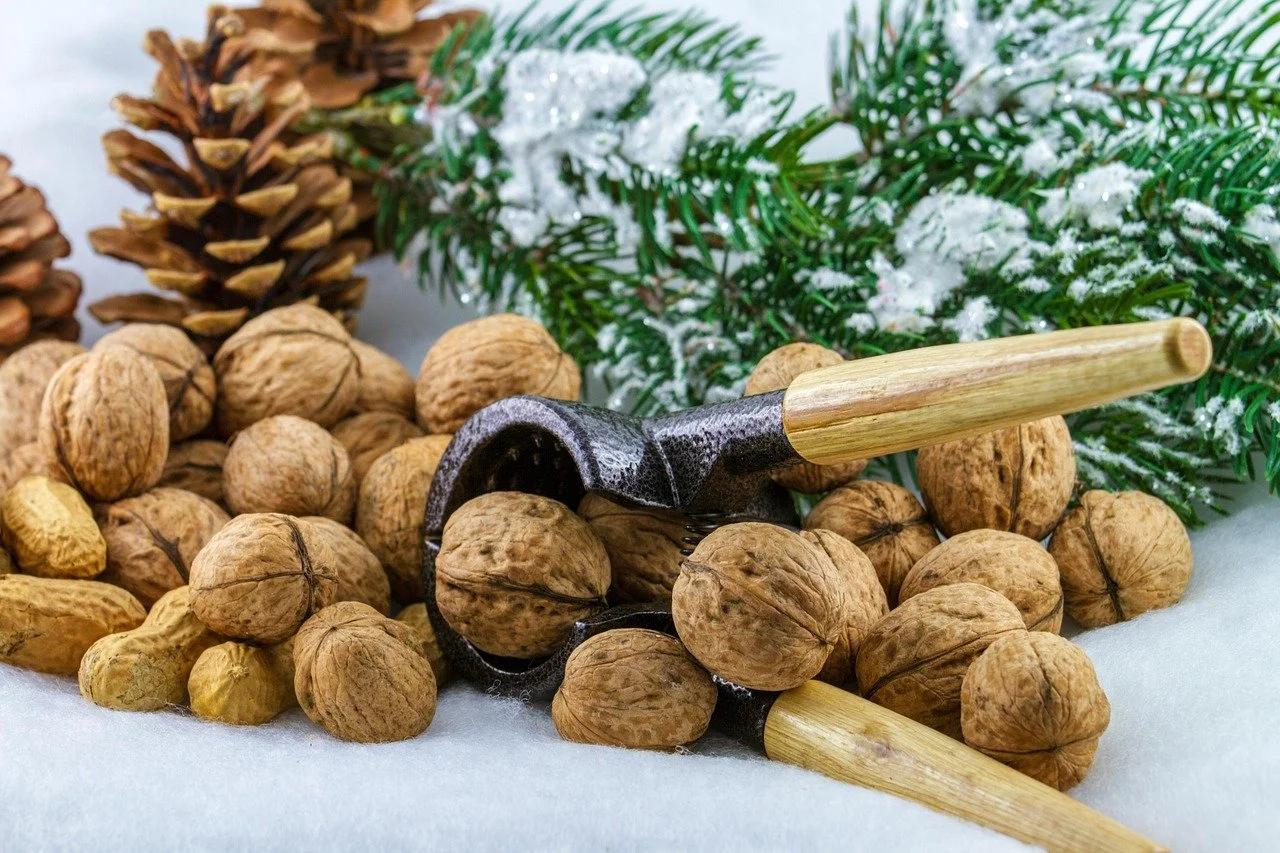
Nuts are a common treat during the holidays
But they can be a choking hazard, contain toxic compounds, and are high in fat, causing pancreatitis for the pet that overindulges.
NUTS
Generally, nuts are something that should not be fed to your pets. But what are the specific dangers?
They are calorie dense and high in fat. They can cause weight gain and pancreatitis in both dogs and cats.
Pets tend not to chew their foods as well as they should so nuts can be a choking hazard.
Some nuts, such as walnuts, pistachios, and pecans grow mold easily and this mold may not be easily seen by the naked eye.
Macadamia nuts are very toxic to dogs and contain high amounts of fat that makes them undesirable for cats. The fact is, it’s still unclear whether cats are as affected as dogs but the best bet is to keep them away from all your pets.
If you have a black walnut tree in your yard, be very careful because black walnuts are very toxic to dogs. The ones used in baking are English walnuts and are safer, but still not a good pet option.
Almonds, while not directly toxic or particularly high in fat, can be a choking hazard for your pets, especially for small breed dogs and cats.
Peanuts(which are actually a legume), not in a shell and unsalted are generally a safer option for your pets but shouldn’t be consumed in larger quantities due to their high fat content.
Symptoms of nut toxicity include vomiting, diarrhea, bloating, raised body temperature, abdominal pain, loss of appetite, weakness, seizures, bloody stool(may appear black), or orange-coloured urine.
RAW DOUGH
Raw dough is a double-edged sword for your pet.
If consumed, the dough will continue to expand in their warm bellies, causing a life-threatening bloat condition. Bloat is an extremely dangerous condition that may cause the stomach to twist, cutting off blood supply to the stomach and causing permanent damage and even death.
The yeast in the dough will also begin to ferment, releasing ethanol into their digestive system. This can cause alcohol poisoning, another potentially life threatening condition for your pet.
Symptoms include unproductive vomiting(retching), a bloated and distended abdomen, weakness, disorientation, and seizures.
Get veterinary help immediately for your pet if they have consumed raw dough as the effects will happen quickly. Don’t wait for symptoms to start.
ALCOHOL
Alcohol is a part of many celebrations. But it can be a danger for your pets.
This is one of those things that is probably slightly more dangerous to cats. Alcohol is highly toxic to all pets. But cats are small, can jump up to tables and counters and tend to be very curious about glasses of liquid. If you’re lucky, they’ll just knock over that glass of wine.
Pets, especially smaller ones, are more susceptible to alcohol than humans. The ethanol in alcohol is absorbed quickly into their bloodstream, and can quickly become a dangerous situation for your pet.
Symptoms of alcohol poisoning include vomiting, diarrhea, weakness, disorientation, excessive drooling, difficulty breathing, tremors and seizures, and, in severe cases, collapse, coma, and death.
If your pet has consumed alcohol, get veterinary help immediately, as alcohol poisoning symptoms progress quickly.
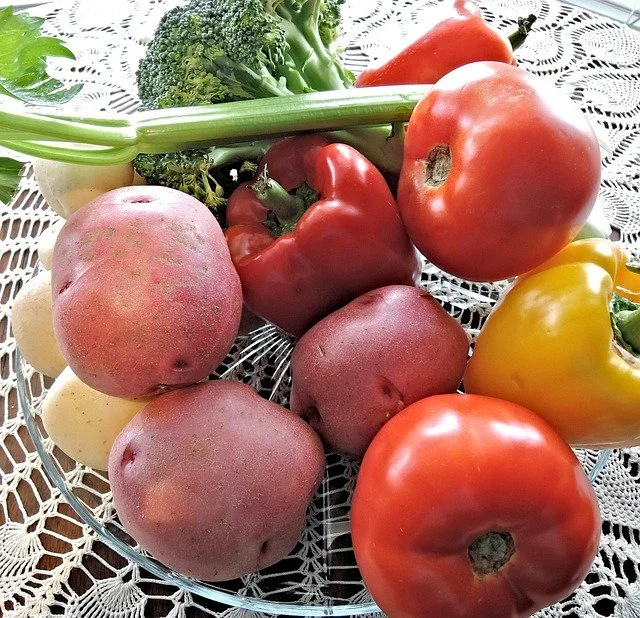
Nightshade Vegetables
There are a variety of vegetables such as potatoes, peppers, tomatoes, and eggplants that can be toxic to your pets.
The leaves, stems, and the un-ripened or sunburnt potatoes(green flesh) are particularly dangerous.
NIGHTSHADE VEGETABLES
(Tomatoes, Potatoes, Peppers, Eggplant)
These are common edible nightshade plants. The green parts of the plant(leaves, stems, unripe fruit, and green potato skins), contain solanine, a chemical that is toxic to pets.
Once ripe and cooked, these vegetables still contain a small amount of solanine. Dogs, especially larger breeds, could have moderate portions of cooked potatoes but it should still be avoided in cats and small dogs.
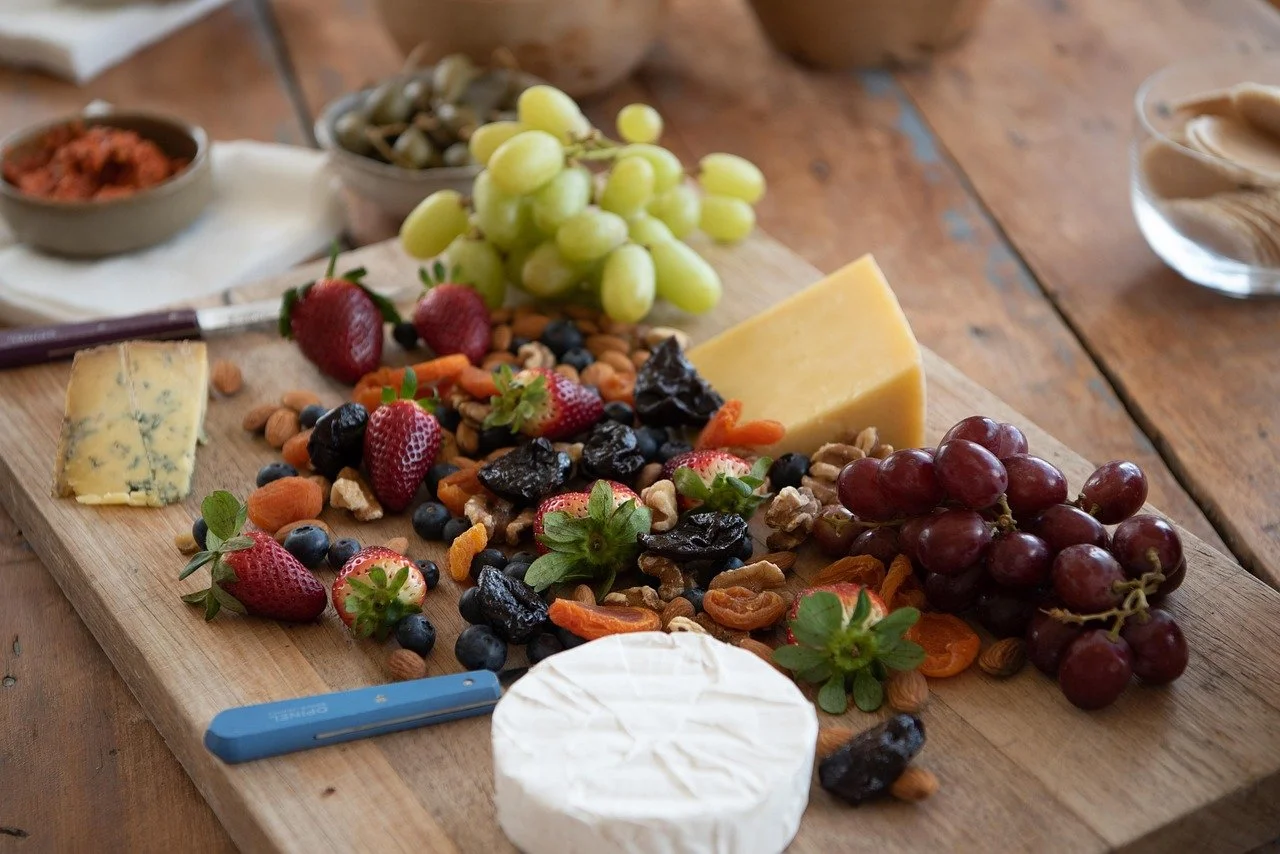
Grapes are a part of most entertaining platters
Keep your pets away. Grapes, raisins, and sultanas all cause toxic effects to your pets.
GRAPES/RAISINS
The substance in grapes that is toxic to your pets is actually unknown. But those innocent little grapes, raisins, and sultanas are very dangerous to your pets.
They can cause vomiting, diarrhea, lethargy, hyperactivity, abdominal pain and even acute kidney failure.
Children, especially, need to be taught not to share these tasty treats with their pet family. While it’s a healthy snack for your children, your dog or cat needs to be excluded for their own good.
XYLITOL
Xylitol is a sugar alcohol sweetener made from birch trees, some hardwoods, and corn cobs. It’s used in many sugar-free products such as gum, mints, candy, toothpaste and mouthwash, some yogurts and baked goods, and certain peanut butter brands. Be aware that it may be called various names such as birch sugar, wood sugar, and birch bark extract.
As I was researching this topic, I also learned something that I never knew.
Xylitol is a component in many skincare products such as moisturizers, barrier creams, lotions, gels, make-up, suncare, and hair care products.
It acts as a humectant and skin-conditioning agent, drawing water to the skin and forming a protective barrier.
Lucy is a dog who loves to lick her favourite people on occasion. At 65 lbs, I don’t think that she’d be able to get enough of a dose of xylitol to do harm, especially as we scramble away from her well-meaning kisses. But I plan to keep bottles well out of reach and do a little more research into my favourite brands to make sure they’re safe.
Even a small amount of xylitol can cause toxic effects to a dog or cat. It can cause a rapid release of insulin in your pet’s system that can drop blood sugar to dangerously low levels. It can result in seizures and death.
Symptoms can appear in as little as 20 to 30 minutes so if you suspect that your pet has consumed anything containing xylitol, seek immediate veterinary care.

Puppy Dog Eyes
While this stare can bore right into your very soul, we must resist to keep our pets healthy and safe.
JUST SAY NO
While those “puppy dog eyes” and “just hand it over already” cat stares may tempt you to share your goodies with your pets, resisting is your best option. If you really feel you need to include them in the gluttony of the season, a few healthy pet treats and some extra snuggles will always be appreciated.
Keep an eye on your pets, especially the counter-surfing cats and the garbage hounds. Not to mention the quick reflexes of that dog underfoot when food is around.
What is it they say about the 5-Second rule when you have a 3-Second dog? If you know, you know.
Dogs, particularly, aren’t very discriminating about their food choices. But even cats can sometimes be curious with so many foods around to tempt them.
Keep dangerous foods out of reach of those precious paws so that everyone, including your pets, can enjoy a safe and happy holiday season.
