
15 Reasons to Keep Your Cat Indoors
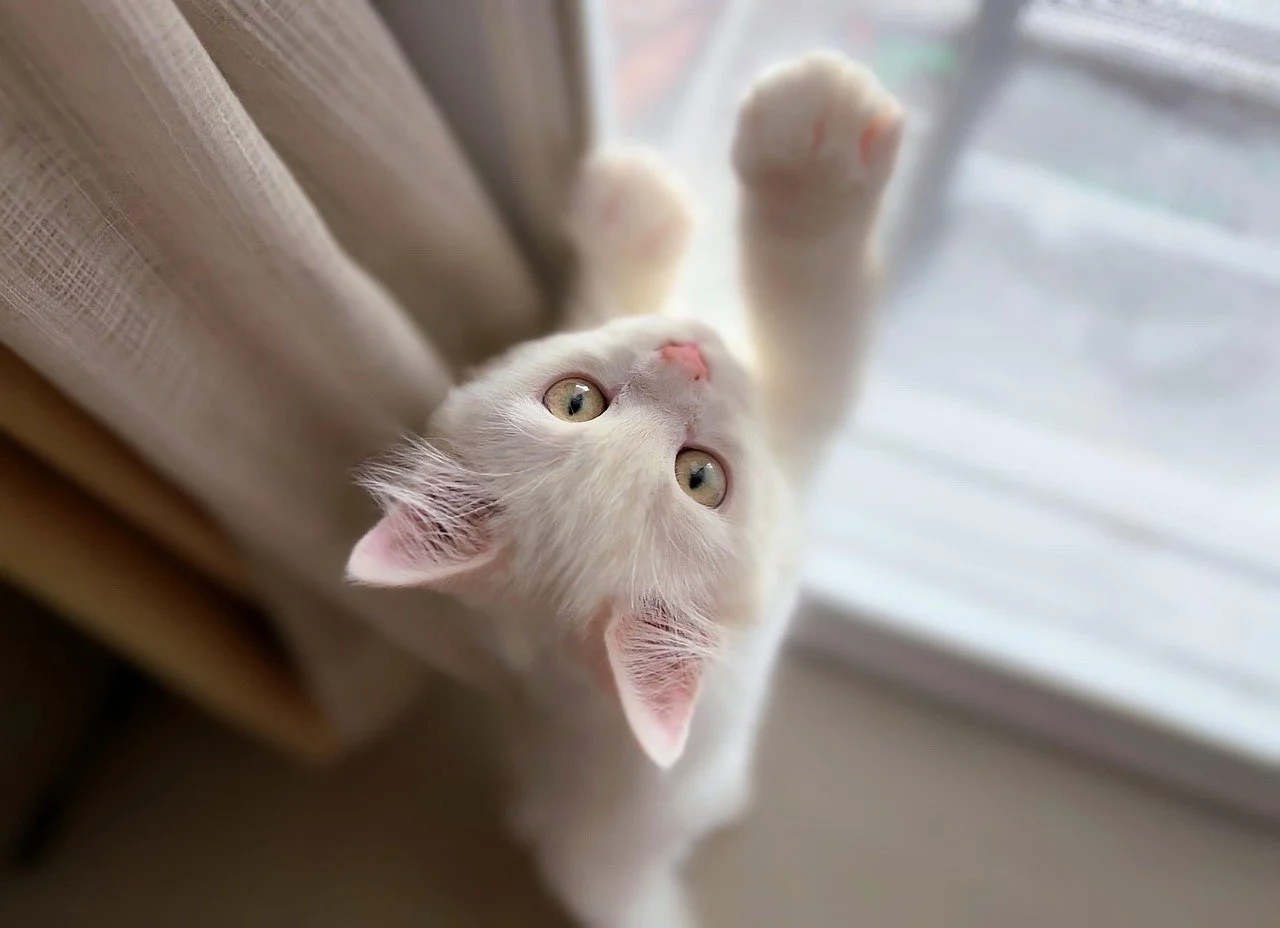
Indoor Cats Can Be Happy Too!
Never feel like you are “depriving” your cat by keeping them indoors. The dangers outside far outweigh the boredom inside. If you put in a little effort, your indoor kitty can live a long, healthy, and happy life without being outdoors.
Many of us grew up with cats who “lived” indoors but then went outside to roam.
If you grew up on a farm, like me, you also had barn cats that lived outside all the time.
Some of those cats lived a long life. But many weren’t so lucky.
Many cats get injured, sick, killed, or simply disappear forever.
You may believe that your cat won’t be happy being inside all the time. While it is true that your cat will need a little extra enrichment inside, the benefits of living exclusively inside far outweigh the little bit of effort you have to put in to keep them happy indoors.
Not convinced?
Okay, here’s 15 great reasons to keep your cat indoors for a long, happy, healthy life.
1) Indoor Cats Live Longer
Want your cat to live a long, healthy life? Keep them inside.
On average, cats that live completely outside will live 2 to 5 years.
Cats that live inside but go outside to roam will live, maybe, 5 to 10 years, if they’re lucky.
Cats that live completely inside will live 12 to 20 years.
There are so many dangers for cats that wander freely outside that the odds are stacked against them, even when they’re only outside part-time.
2) Cars and Cats Don’t Mix
Cars pose a significant threat to cats. Road traffic is a leading cause of death for young cats and kittens, with most deaths occurring on quiet residential streets.
Cats will often panic when a car is coming toward them, either freezing in place or panic running right under the wheels.
Cats can also put themselves at risk by hiding in the engine bay of cars in cold weather. They can be severely injured or killed when the engine is started.
This is why it’s always a good idea to either check under your hood or at least tap the hood or honk the horn and check tires to chase a cat out from under your vehicle in cold weather.
3) Animal Attacks
Coyotes and foxes are major predators of cats, even in urban and suburban areas.
Raccoons will fight with cats over food or territory.
Birds of prey, such as hawks and owls will attack kittens and smaller cats if given the opportunity.
A battle with a snake may not end well for your cat. Whether it’s poisonous or not, a bite from a snake can certainly cause injury.
And, if you live in alligator or crocodile country, your cat is definitely in danger.
Even dogs and other cats may attack your cat and cause injuries ranging from torn ears to severe bite wounds.
4) Exposure to Toxins
There are a lot of toxins out there when it comes to cats.
Antifreeze and other vehicle chemicals can be deadly. Antifreeze, in particular, is sweet-tasting and may attract your cat. But a puddle of chemical can easily be tracked through and your cat’s instinct will be to lick it off to clean their paws.
Garden chemicals, such as fertilizers, insecticides, and herbicides are also a danger. Your cat may simply wander onto a freshly-treated lawn or garden and then ingest the chemicals while grooming.
Rodent poisons can be a double-edged sword. Your cat may ingest the poison directly as they are often formulated to be appealing to animals. They may also catch a mouse or rat that has already ingested the poison.
There are several plants that are common in gardens that are toxic to cats. Lilies are the most dangerous and even brushing against the plant and picking up the pollen on the fur to be groomed off later can be fatal.
For more information on the dangers of common garden plants, check out Spring Flowers Toxic to Cats-And Some Safe Substitutionsto learn more.

Spring Flowers Toxic to Your Cats-And Some Safe Subsitutions
Spring has some particularly dangerous and common flowers that are toxic to your cats-especially members of the lily family.
5) Contagious Diseases
Whether being attacked by a wild animal or fighting with another cat, your cat can be at risk of contracting many contagious diseases.
There are vaccines for some of these diseases, such as Rabies, Feline Panleukopia(FPL or distemper), Feline Viral Rhinotracheitis(FHV-1), and Feline Calicivirus(FCV). Please Note: even if your cat lives indoors, it’s recommended in most areas that they are vaccinated because some of these viruses are very hardy and can be brought in from outside by you or another pet.
However, some diseases currently have no effective vaccine, such as Feline Infectious Peritonitis(FIP)or Feline Immunodificiency Virus(FIV or feline AIDS). The only way to effectively protect your cat against these diseases is to keep them indoors.
6) Parasites
Fleas, ticks, roundworms, tapeworms, hookworms, heartworms, and protozoa such as Giardia can be picked up by your cat by multiple sources in your seemingly innocuous neighbourhood. Tall grass and plants, puddles, soil, and other animals can all carry risks of transmitting these parasites on to your wandering cat.
These parasites are often a risk to not only your cat but your dog, your children, and yourself.
If you’d like to learn more about pet diseases and parasites, check out Heartworm, Fleas, Ticks and More-Prevention vs. Treatment.
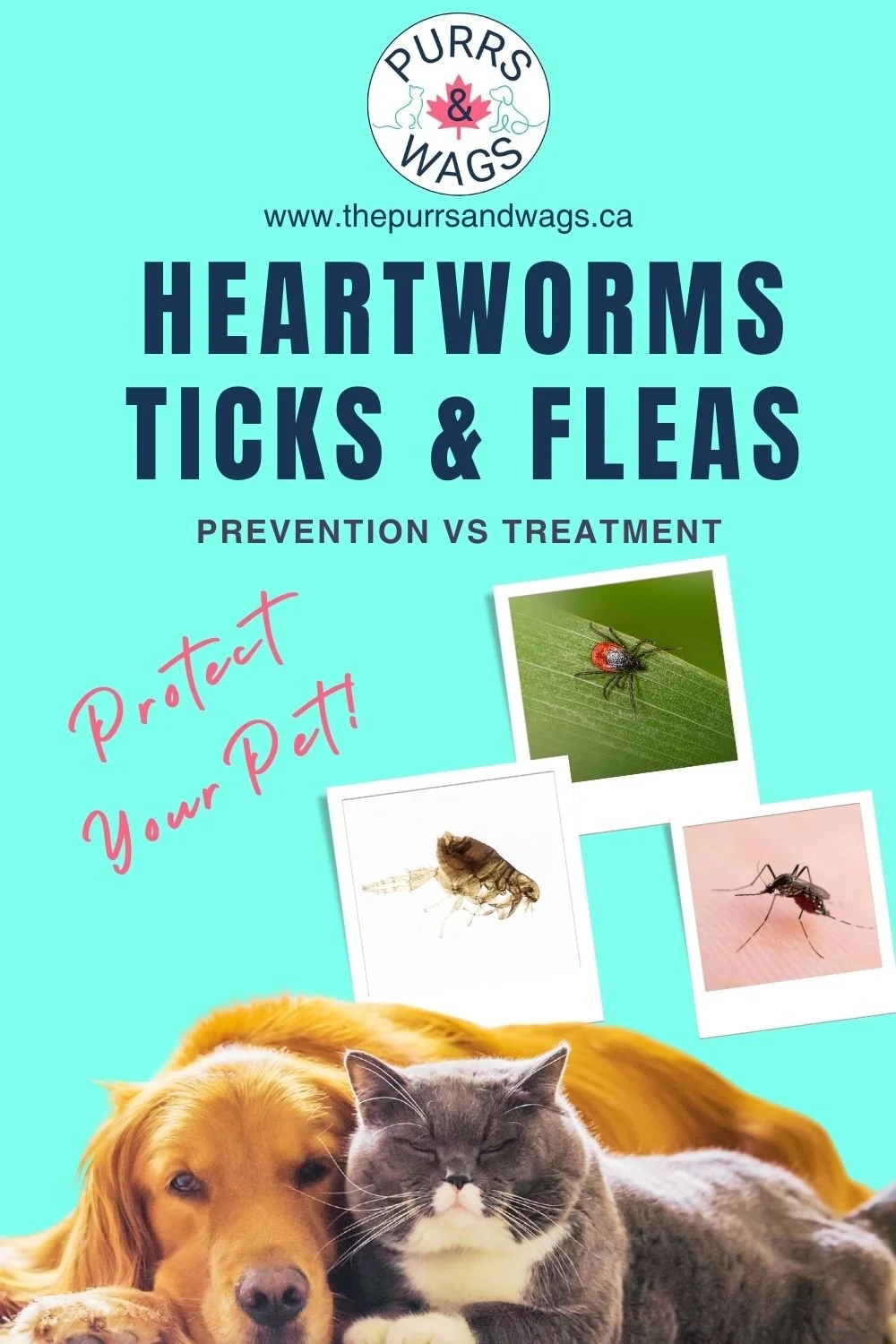
Heartworm, Fleas, Ticks and More: Prevention vs. Treatment
Keeping your cat indoors can protect them from parasites and disease that can affect your other pets, your home, and your family.
7) Weather Extremes
Hot and cold temperatures, rain, snow, wind, and flooding can all be risks to your cat.
Any prolonged exposure to both hot and cold temperatures can be life-threatening. Rain and snow can soak your cat, making them more vulnerable to the cold, especially when accompanied by high winds.
High winds and storms can frighten your cat and they may panic and become disorientated and lost. They may crawl into an enclosed area, putting them at risk of being trapped with no safe escape.
Flooding poses the obvious risks. Both Spring thaw and rainstorms may cause localized or widespread flooding, catching your cat off guard on their regular patrol route. Flash flooding, in particular, can be extremely dangerous.
8) Entrapment
When a cat becomes frightened or even just explores a new area out of curiousity, they may find themselves inadvertently trapped. Garages and shed doors can be closed without any knowledge that your sweet little kitty has wandered through the door to explore.
Cats may also wedge themselves into drain pipes where they can’t escape or fall down into deep holes such as wells.
9) Cat Over-Population
If your cat isn’t spayed or neutered, you definitely shouldn’t let them wander. They can even be at risk in your yard as the other cats will come to them.
There are so many kittens in shelters and rescues, waiting for homes, because pet parents don’t get their cats spayed and neutered and still let them outside.
10) Theft or Relocation
Cats roaming their neighbourhood may be victim of “cat seduction”. People may entice healthy, well-fed cats into their homes and then just keep the cat, with no attempt to find their owners.
They can also be moved out of the area(dumped) by someone who doesn’t like cats or who doesn’t like a cat in their yard.
Either method is unethical, but it happens.
11) Be a Good Neighbour
Okay, so not every neighbour is going to kidnap your cat.
But that doesn’t mean they’re thrilled with your cat using their garden as a litter box.
Cats will do what cats will do but that doesn’t mean you need to let them.
Honestly, I love all creatures and cats hold a special place in my heart. But I wouldn’t be particularly thrilled with a cat digging up my garden.
I wouldn’t hurt the kitty but I might not be too happy with the neighbour.
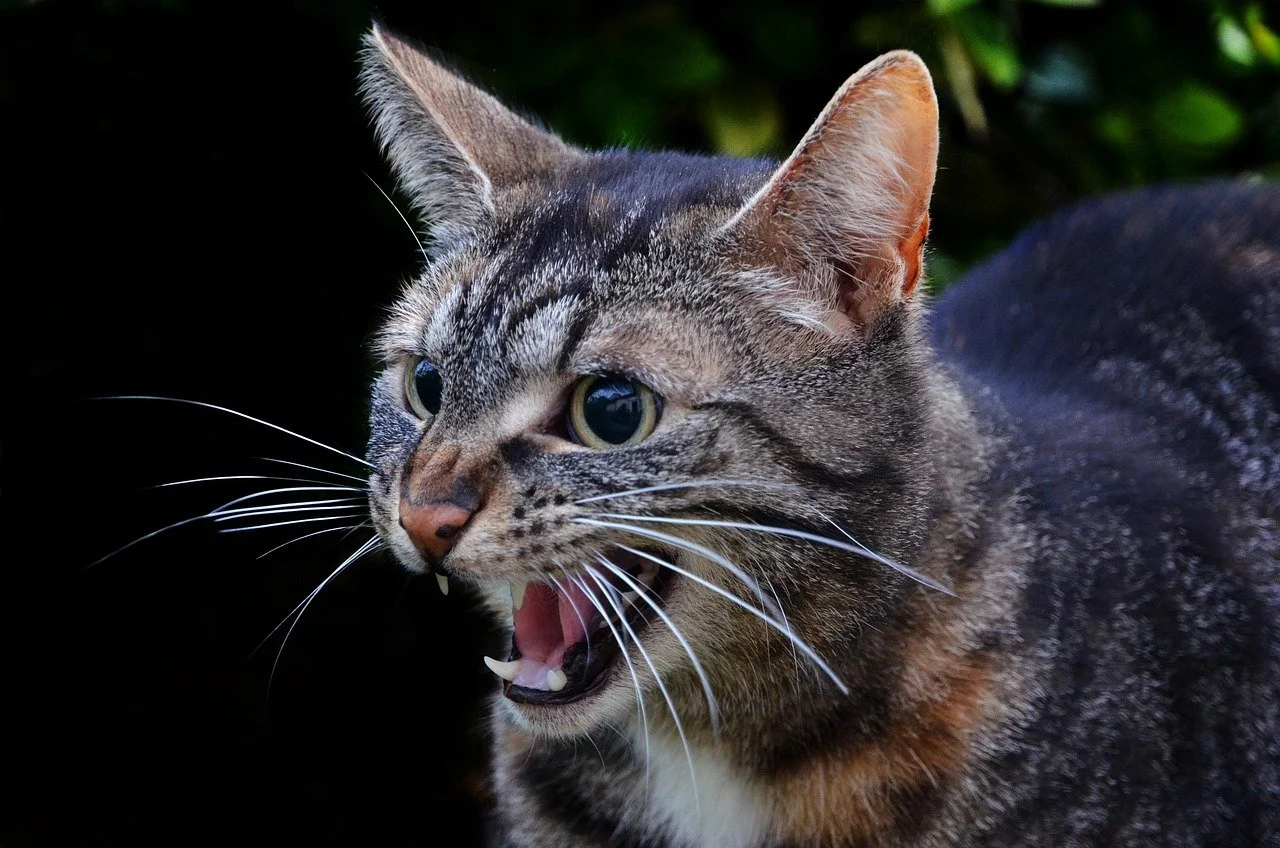
Cat Fights
Cats are very territorial and will fight with other cats to defend their space.
12) Cat Fights
Even if you have the sweetest kitty in all the land, cats can be territorial.
Your cat may not start it, but they can be attacked by other cats or may have to fight back to defend themselves and their territory.
Your cat may stay in your yard when you let it outside. But that doesn’t keep other cats from entering and your placid little ground dweller may suddenly find that he can climb those fences when it means escaping from danger.
13) Help Rescue Groups
Cat rescue groups go out into neighbourhoods and trap feral cats to neuter and return them to their colonies and treat cats that need medical help.
The last thing you want is for your cat to be caught in one of their traps. While the rescue group will recognize that your cat isn’t feral, it does interfere with their operation and will terrify your cat.
If you live in an area with an active cat colony and a rescue group trying to help them, keeping your cat inside makes a whole lot of sense for your cat’s health and will let the rescue groups focus on the cat colony.
14) Protect the Wildlife
Your cat is not part of the natural food chain. But they have natural hunting skills that make them lethal to birds, rodents, rabbits, reptiles, and amphibians.
Yup, your sweet little kitty may be a killing machine, if given the chance.
Believe it or not, cats kill millions, or even billions, of these animals annually in the U.S. and Canada. While many of these deaths(about 69%) are caused by feral or stray cats, pet cats still account for huge numbers of bird and small animal deaths.
In Canada, cats are the leading human-related source of bird deaths, even surpassing habitat loss. This can affect biodiversity and species at risk.
So, suffice to say, their impact on wildlife is significant and can be catastrophic.
I have a senior cat. We named him Hunter because he’s very skilled at catching both houseflies and the occasional mouse that sneaks into our old farmhouse.
I can’t even imagine him being let loose outside! The bird feeders would turn into a buffet for him and that’s definitely not something we want.
The mouse population might decrease but that would put my cat at so much risk for disease and poisoning. Not okay.
15) Human Cruelty
As strange as it may seem to those of us who loves cats, not everyone is a fan.
Humans can be downright cruel to animals.
Unfortunately, free-roaming cats can be targeted by people who may poison, trap, or torture cats.
Don’t let your cat be a victim of these pieces of human garbage.
But my cat is used to going outside. How can I possibly keep them inside now?
If you have a kitten, this is the perfect time to train your cat to stay indoors. But even adult cats can be trained with patience.
Start by training them, with positive reinforcement, to stay away from doors. Teach them cue words such as “wait” or “stay” when you open your door so they don’t rush outside. Yes, you can train your cat cue words.
Obviously, if you’ve never litter--trained your cat, you’ll need to start now. Luckily, cats are usually very easy to litter train and usually just need to be shown it’s location. Get in the habit of cleaning it daily so your cat doesn’t reject it.
Your cat is probably going to protest being inside because they are creatures of habit and routine, more than an actual desire to be outside. So, you can deal with this issue in one of the following ways:
Establish a new routine with your cat inside, giving them plenty of indoor enrichment.
Transition your cat to staying inside. You can start with keeping them in at night (the most dangerous time) and slowly extend the time that they stay indoors.
Give them plenty of toys to “hunt”, climbing spots, and window views, ensuring those window screens are well-secured.
Spend time playing with them. Cats are quite content with 10-15 minutes of play. They may even only need a few minutes at a time, a few times a day to satisfy them.
The idea is to keep them active and enriched enough that they don’t even consider going outside.
Build them an enclosure to get some safe time outside.
If your cat is really resistant to spending all their time inside, and you have the space and the desire to do it, you can build or purchase your cat an enclosed area or catio where they can get fresh air and sunshine.
But keep in mind that other cats and wild animals may be able to approach them in an enclosure.
Also, cats can be very cunning, so watch them to ensure they don’t escape.
For other ideas for a pet-friendly yard, check out Creating a Pet-Friendly Backyard and Garden.
Teach them to wear a harness and walk on a leash so you can give them a daily walk.
If you have no space to build your cat a catio and you really want to take them outside, even an adult cat can be slowly acclimated to wearing a harness to walk on a leash.
Don’t give up on your cat when it comes to indoor training. You may be surprised how easy it is for them to adjust. And, the fact is, it could, quite literally, save their life!
