
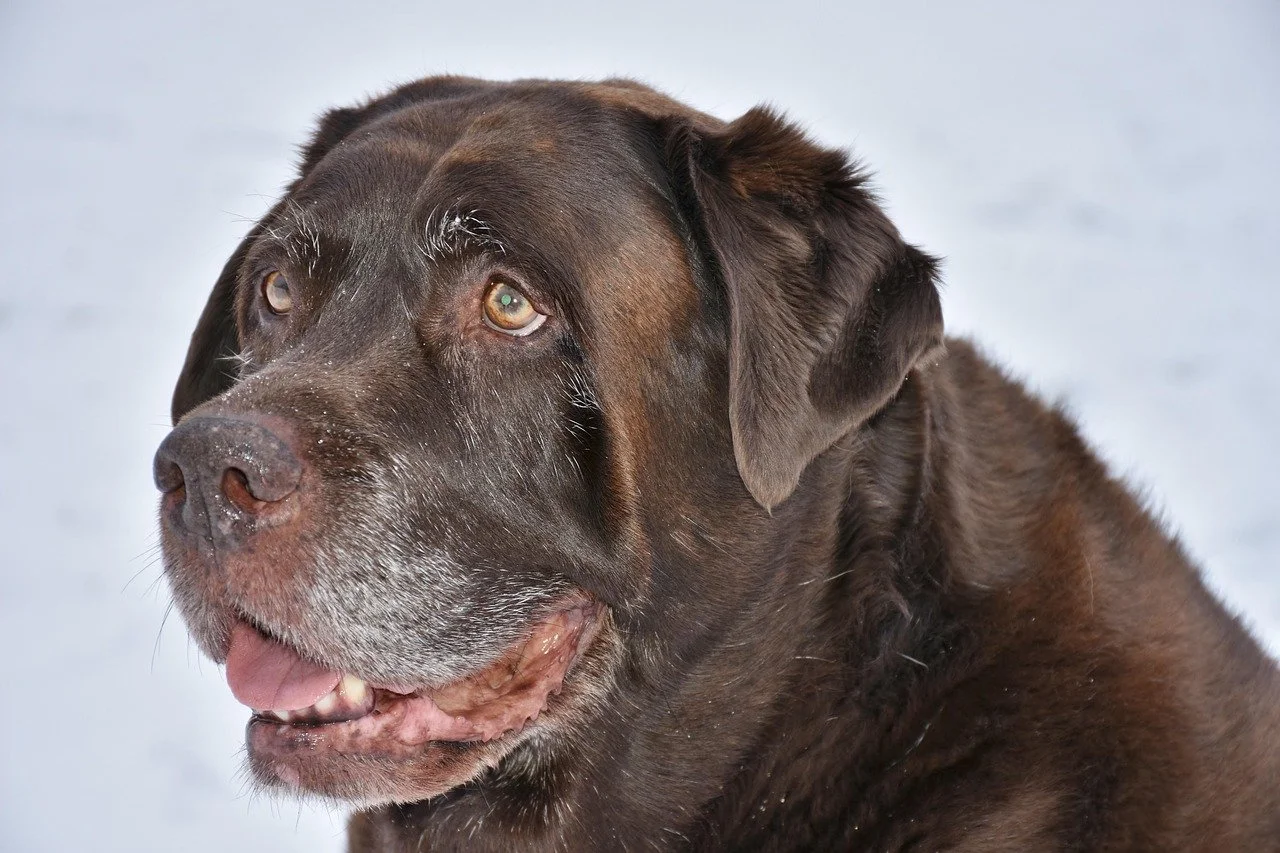
A senior pet may still love the outdoors but may need some extra precautions to keep them safe.
As the leaves fall, the temperatures drop, and Winter spreads across the land, pet parents get busy preparing their fur babies for the cold, dark days ahead.
For those of us with senior dogs and cats, there are unique challenges for the care for these special little souls. Just like humans, aging pets require some special considerations to keep them healthy and happy during the Fall and Winter seasons.
But, with a few extra measures, you can ensure that your elder pets stay comfortable, warm, safe, and healthy throughout the colder season ahead.
Disclosure: As an Amazon associate, this post contains affiliate links. If you follow one of these links and make a purchase, I may earn a commission, at no extra cost to you. This helps support this blog and my ability to keep bringing you important articles regarding the care and life enrichment of your precious fur kids.
Senior Vet Check-ups
Your aging pet will need more frequent visits to the veterinarian. If you can, take them twice a year for routine check-ups to address any issues early, such as arthritis, pain management, dental care issues or any other health issues that may arise.
This will give you an opportunity to ask questions about their nutritional needs, weight management advice, possible supplements, and any other concerns you have about the care of your elder furry friends.
If your furry senior is showing signs of arthritis or mobility issues, they will probably be more stiff and sore in the colder weather. You may want to speak to your veterinarian about supplements, such as glucosamine, chondroitin, or Omega-3 fatty acids, to help save their joints and possible prescription medications to ease their discomfort.
Learn how to keep your pet safe and cozy in Winter weather!
Outdoor Pet Gear for Seniors
Keeping any pet warm and comfortable in cold weather is important. But, when it comes to older pets, they are particularly vulnerable to the cold and need to be protected.
They have less tolerance to the cold and have more issues regulating their temperature. They have a higher risk of developing frostbite, hypothermia, and other cold-related injuries and illnesses.
It’s critical to ensure that, if your elder pet is out in the cold, they are dressed for the weather. Even if your pet has tolerated winters well in the past, you may find that they need extra protection in the form of a warm jacket and possible winter booties or leggings to protect their paws from frostbite, ice, and salt.
If they are shivering, crying, or lifting their paws, they are letting your know that they need some extra layers to protect them. Watch for the signs and be ready to take them inside early and bundle them up more.
Keep in mind, too, that your pet may not have the reflexes they once did. They are more in danger of slipping on icy walkways, causing injuries. Be extra careful of slippery sidewalks and try to stick to cleared surfaces.
If you run into an icy patch, you’re better to let them walk in the snow to the side than across an slick pathway. This works for the human walking them too!
And, if you have a senior pup, recognize that their walks may be slower. Give them patience and time to sniff and explore. But, also, they may need shorter walks, especially on those particularly miserable days of cold rain, heavy snow, deep freezes, or strong, frigid winds.
You may find that your senior kitty who once begged to go outside is much less interested once the snow flies or only wants out for a short time instead of their usual prowl. Keeping your cat indoors is not only possible, but highly recommended, whether they’re a senior or not. But it can be especially important for your senior kitty not to be stuck outside in the cold.

It’s a fact! Cats live longer and healthier lives when you keep them indoors. Learn why it’s so important and how to make their lives as indoor royalty long and healthy!
Indoor Senior Pet Comfort
When the weather turns nasty, you may find that your senior pet needs some extra comfort and assistance even when they’re indoors.
Orthopedic pet beds can make them more comfortable and cozy. Be sure to place their bed in a warm spot with no drafts. For extra warmth, you can utilize extra blankets or self-warming pet mats. Just be careful not to put them too close to something that generates heat, such as a space heater or fireplace so they don’t get overheated or burned.
Non-slip rugs can keep your pet from falling, causing injury. Rugs can also protect your pet from cold floors, keeping them more comfortable.
If your pet loves to snuggle up on the couch or bed with you but is struggling with reduced mobility or arthritis, consider a pet ramp or steps to help them navigate the vertical challenge with ease.
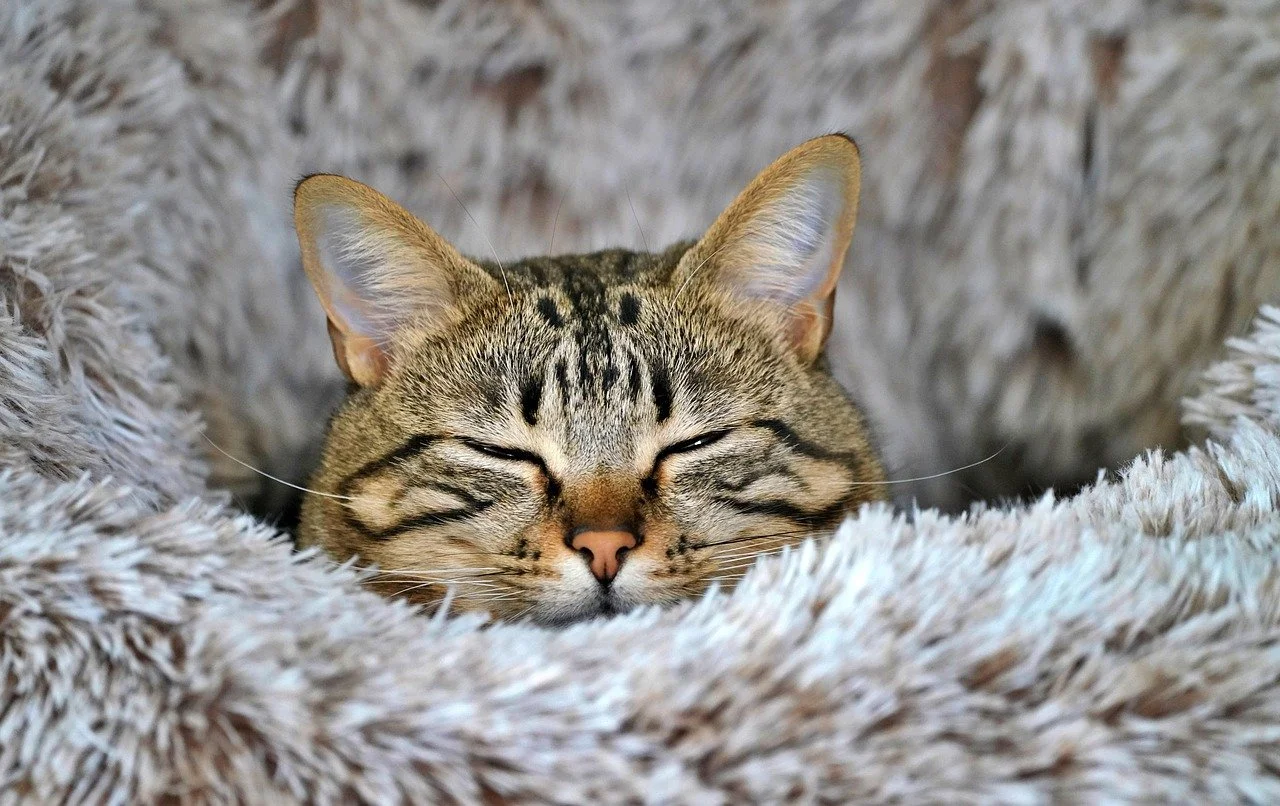
Snuggled in for a long winter’s nap
Providing your senior fluff with cushioned, warm beds away from drafts and strong heat sources will keep them comfortable.
Healthy Weight and Fitness for Your Senior Pet
Let’s face it-it’s pretty easy when the weather turns nasty to stay inside, do nothing, and boredom eat. Well, we can’t do that and neither can our pets.
It’s important to keep your pet’s diet under control and still exercise them throughout the year. For senior pets, it’s particularly important and also, particularly challenging.
If you find that your senior fluff ball doesn’t want to be outside in the cold as much as they used to, it’s important to keep them active and stimulated indoors. Indoor games and activities will keep both their mind and bodies active and strong.
Learn how to keep your pets active and entertained indoors. Senior pets, in particular, need this enrichment to keep them happy and healthy.
It’s important to keep them at a healthy weight, as well. Extra weight will put stress on their joints, put them at risk of injury, and increase the risk of weight-related illnesses such as diabetes, heart disease, high blood pressure, kidney and liver disease, and even cancer.
Because senior pets are already at an increased risk for these diseases, letting your pet pack on the pounds can increase the risk to a critical point.
Talk to your vet if you find that your senior pet’s weight is increasing as the weather turns nastier to discuss balancing their nutritional and physical needs for a healthy, happy senior pet.
Summary
As our pets age, their basic needs stay the same. But, to keep our pets comfortable and happy, we need to adjust routines and pet gear. This can be especially critical in the Winter, when the weather can cause a great deal of discomfort for our furry senior friends.
Keep in mind that what your pet could once tolerate with ease may not be as easy as they age. It just takes some adjustments to make them more comfortable so they can still enjoy life, even in the nasty Winter weather.
Take your pet for a veterinary exam to ensure that any issues are caught early and can be addressed.
Consider supplements for your senior fuzz balls to keep their joints healthy, at the advice of your veterinarian.
While your older pet may enjoy time outdoors, consider whether they need more protective gear, gentler exercise, or reduced times.
Plan for indoor games and activities to keep your senior active when they don’t want to (or can’t) spend as much times outside. Mental enrichment is important for pets of all ages but can be critical for your senior pet.
Make your home as friendly as possible for your senior with comfortable sleeping spots, non-slip rugs, and even ramps to help them navigate your home.
With the advice of your vet, keep your senior pet’s weight in a healthy range to reduce their risk for serious illnesses, injuries, and strain on their joints.
Related Articles:
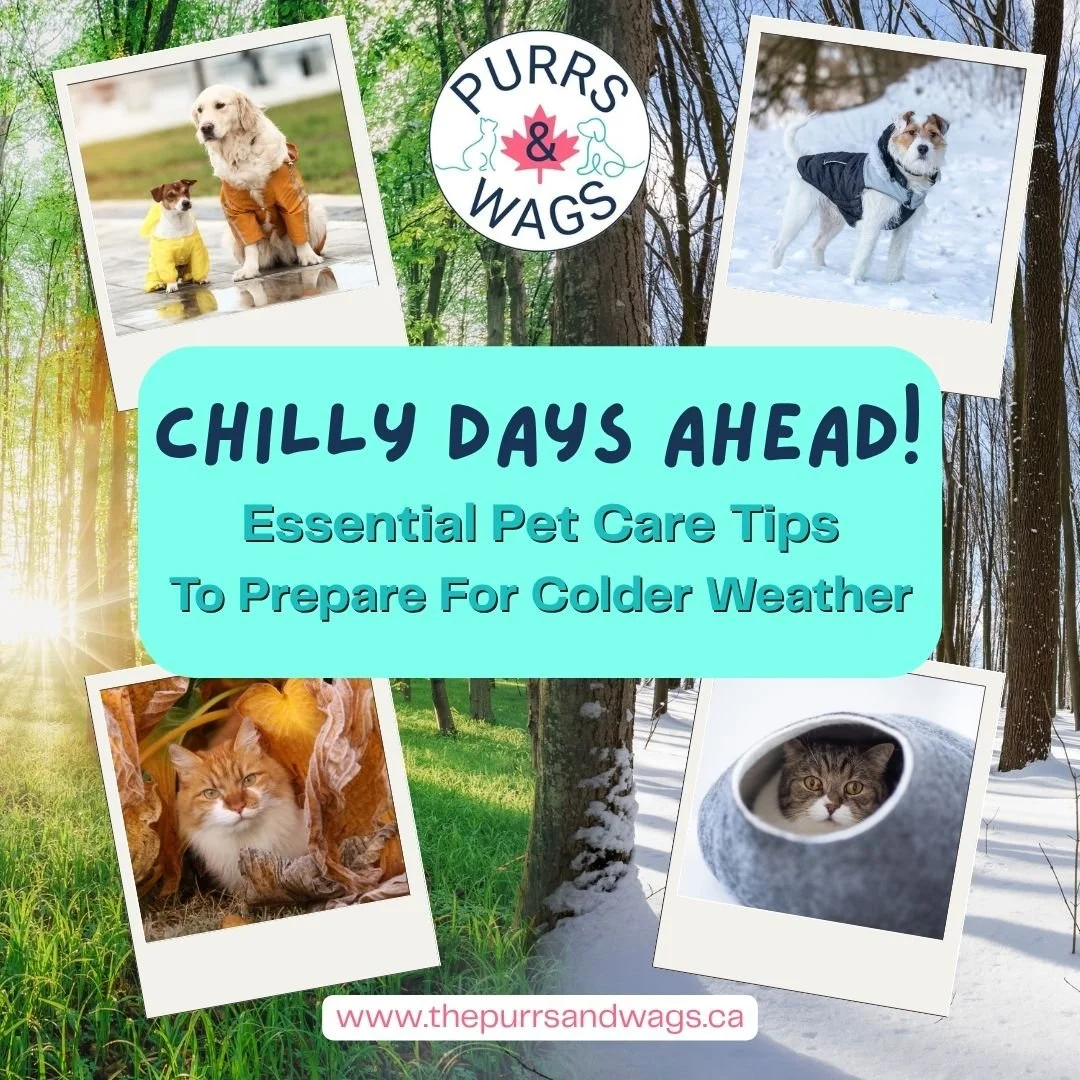
Shifting your pet’s gear and routines through Autumn into Winter to keep them comfortable, safe, and happy.
Learn the most important tips to keep your furry friends happy and healthy.
