
Heartworm, Fleas, Ticks, and More: Prevention vs. Treatment

A sure sign of fleas is your pet’s incessant scratching
“An ounce of prevention is worth a pound of cure” -Benjamin Franklin, 1736
Ah, yes, once again, the old adage rings true when it comes to your pet’s health.
Dogs and cats can both get parasites, internally and externally. These parasites can cause diseases and health issues beyond the obvious signs such as itchy skin and hair loss.
Pet pests and parasites aren’t just annoying. They can seriously affect your pet’s health and, even the health of the rest of your family.
In some cases, these pests can take over your home and spread disease to other pets or even humans, yourself included.
Treatments for infestations, diseases, and health implications due to these parasites can range from ‘a pain in the butt’ to expensive, risky, and complicated.
So, why not do your pet and yourself a favour and start down the prevention road first?
Disclosure: As an Amazon Associate, I may earn a small commission, at no extra cost to you, if you click a link and make a qualifying purchase.
Common Pet Parasites
1)Fleas
Fleas are tiny, parasitic insects that can wreak havoc in your home. These little blood-sucking creatures just love to snuggle up in your pet’s fur(or feathers for our bird friends) and feast on your pet’s blood. They also don’t discriminate and can feast on human blood, as well.
Fleas are also prolific breeders and a female can lay up to 50 eggs a day. This means one tiny flea can turn into an infestation of your entire home in very short order.
They won’t stay on your pet either. They can jump up to 8 feet. Suddenly, you may find that they have taken over other pets, your children, you, and the home itself.
The bites are intensely itchy and can cause flea dermatitis. But the real dangers lie in the fact that they can spread Tapeworms and diseases such as Bartonellosis(cat scratch fever), Hemobartonellosis, and even the plague.
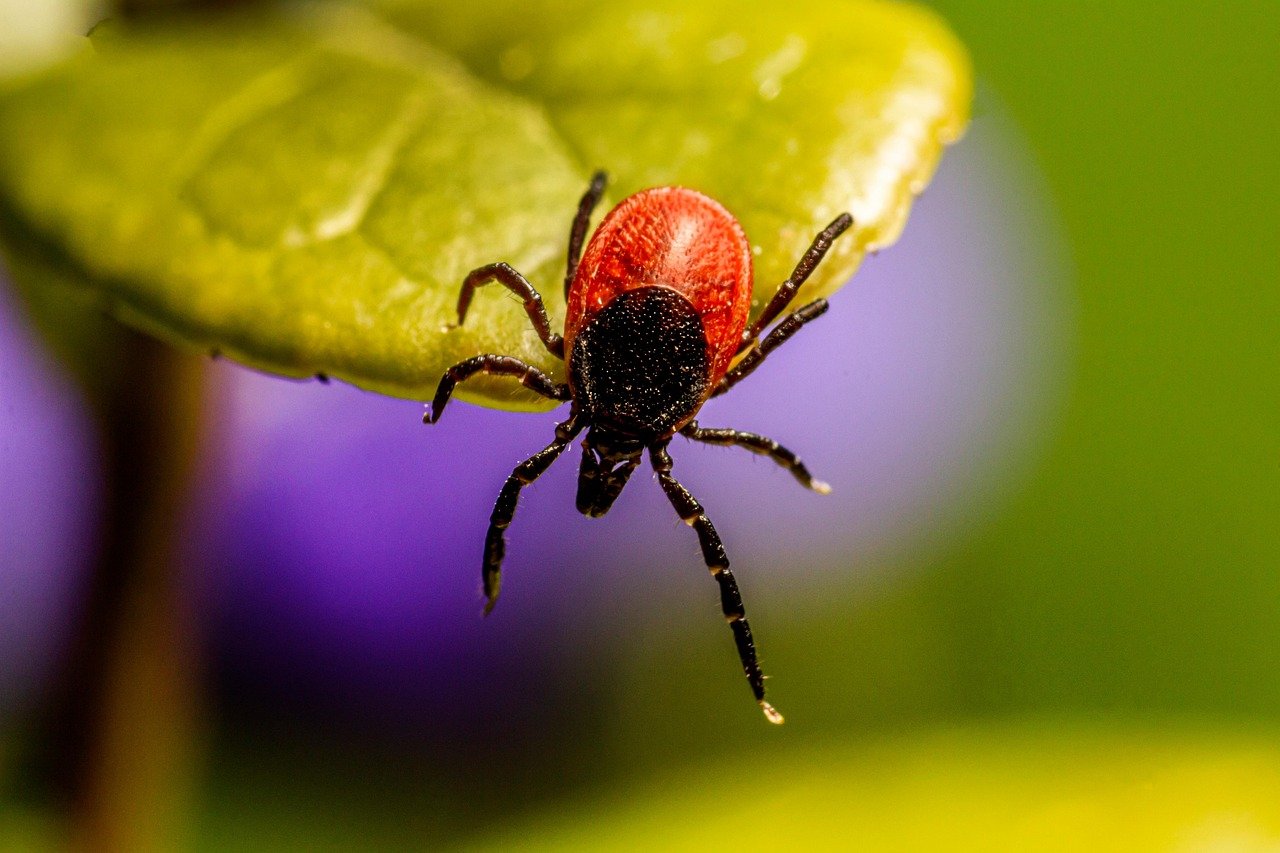
A tick dangles waits, ready to climb on board its next victim
2)Ticks
Ticks are small parasitic arachnids, that live by feeding on the blood of mammals and birds. The most common types in North America are the blacklegged tick(commonly called the deer tick), Western blacklegged tick, American dog tick, Groundhog tick, Rocky Mountain wood tick, and the Lone Star tick.
These parasites latch on to your pet for a feast to gain energy for breeding and laying eggs. They are carriers of many serious diseases including Lyme disease, Powassan Virus, Babesiosis, Anaplasmosis, Rocky Mountain Spotted Fever, Ehrlichiosis, Hepatozoonosis, and Cytoxzoonosis.
While some of these diseases are confined to animals, such as Hepatozoonosis, some, such as Lyme disease, Rocky Mountain spotted fever, and Powassan Virus can be transmitted to humans who are also bitten by ticks and their effects can be very serious to fatal.
3)Heartworms
Heartworms are parasites that are spread exclusively through the bite of infected mosquitoes. A mosquito bites an infected animal and picks up the tiny larvae of the heartworm. When it bites its next victim, those larvae can be transmitted into the blood of its new host.
The larvae then mature and travel through the bloodstream to the heart and pulmonary arteries. The heartworms can grow up to 30cm long and the heart can be clogged with worms over several years, eventually causing heart fatigue and failure.
There are treatments for heartworms but they can be expensive, as they are very extensive, and dogs must be kept quiet for several months to prevent dead worms from causing fatal blood clots in the lungs.
Dogs are the most common victims of heartworm. Cats, unlike dogs, are resistant hosts so the worms don’t often reach maturity. But they can cause severe respiratory illness in your cat, as well.
It’s so much safer for your pets and less costly to use prevention as your first protocol.
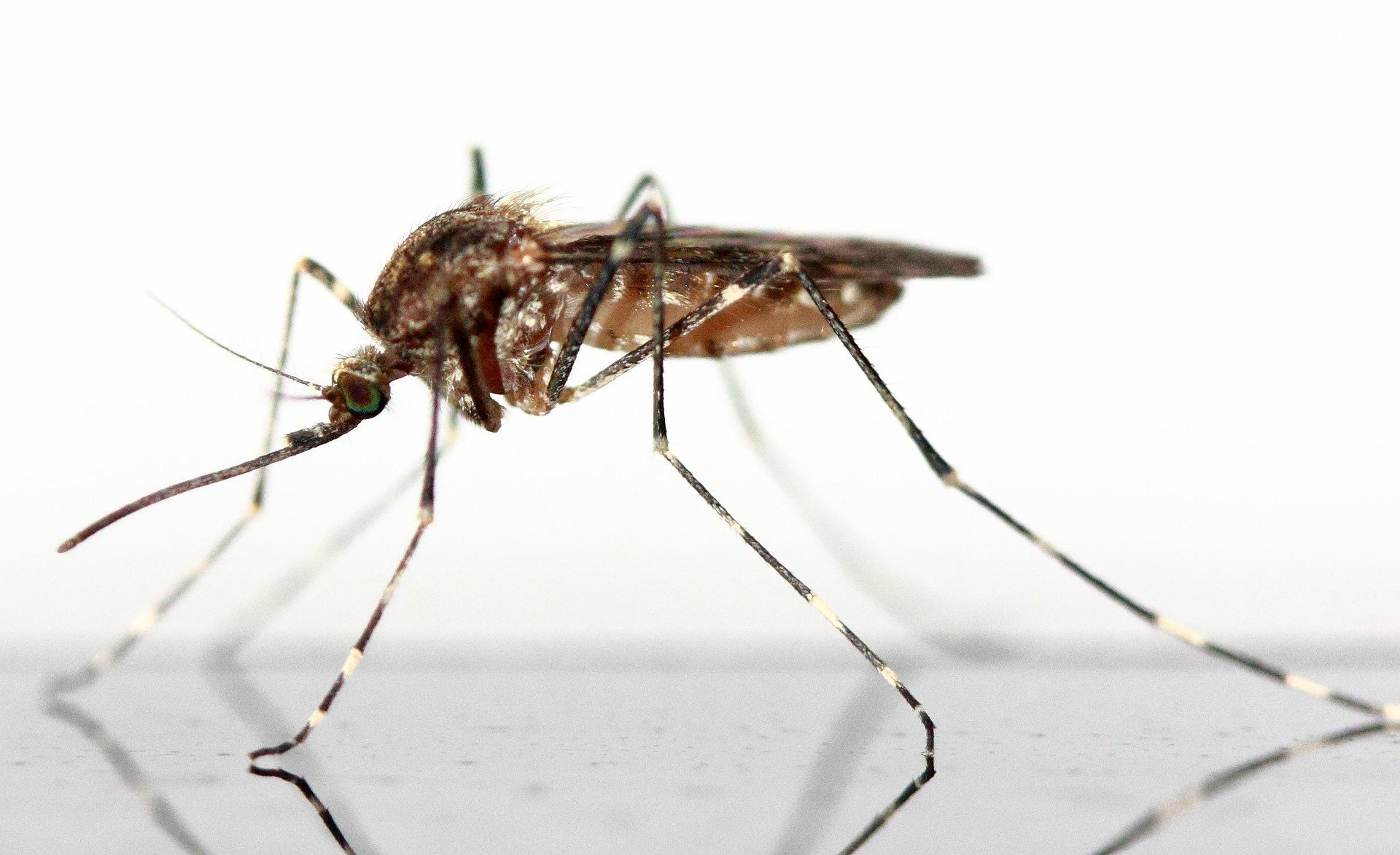
Mosquitoes can transmit many diseases, but also, Heartworm parasites to your dog
4)Intestinal Worms
Intestinal worms such as roundworms, hookworms, whipworms, and tapeworms, are internal parasites that steal nutrients from your pets. They can be present in both cats and dogs and can be transmitted to humans.
Pets get worms by eating infected feces, eating contaminated soil (such as when eating food directly off the ground), or from mother to nursing young, or from swallowing infected fleas as they attempt to clean them from their fur.
If you have multiple pets, they must all be treated for worms as they are easily transmitted and may be initially asymptomatic.
Prevention Options
The easiest and most economical way to eliminate pet pests is to prevent them in the first place. Your veterinarian can advise you of options that will best fit your pets.
In Canada, and the northern United States, for instance, mosquito season is usually from May/June to November, reducing the need for heartworm prevention in the Winter and early Spring. But that wouldn’t be appropriate for southern areas where mosquitoes are active year-round.
1) Oral
Combined preventatives are certainly a desirable option for many pet owners.
They protect against fleas, ticks, heartworms, and intestinal parasites. While they may seem expensive, they are more economical than individual prevention options.
For dogs, there are several options that are in the form of tasty, chewable treats that are given on a monthly basis.
However, they may not be suitable for all pets. If your dog has a history of seizures or other neurological conditions, is a picky eater that refuses to eat a chew, or is pregnant or nursing, these pills may not be appropriate.
2) Topical
Topical products are monthly spot-on treatments applied to a pet’s skin. It’s usually put on between the shoulder blades, where your pet can’t reach it to lick it off.
While effective, swimming or bathing can reduce the efficacy of the formula. You must wait to bathe your pet.
In the meantime, especially if not applied directly to the skin, the fur in the treatment area may be greasy and the treatment will be less effective.
Depending on the medication, there is some risk in multi-species households. For instance, permethrin is highly toxic to cats but present in some topical dog treatments.
3) Collars
There are some high-quality, veterinarian recommended flea collars available these days. These collars work by releasing ingredients that spread through your pet’s fat layers in their skin to kill and repel fleas and ticks.
However, there are limitations to these collars. For instance, most are only effective for combating fleas and ticks. They may cause skin sensitivity or allergic reactions in some pets, and they may not be effective enough in a high density flea or tick population.
They may also contain ingredients for that are only safe for dogs, so you must choose a collar that is safe if you use it for your cat.
4) Environment
To prevent mosquitoes, fleas and ticks from finding homes around your yard to be picked up by your pet(and maybe yourself), keep your yard mowed, bright, and cleared of brush and debris where these pests can linger. Avoid overwatering plants and make sure there is no standing water left in your yard.

Tall plants give pests easy access to hop on board your furry friend
Home Treatments
1) Tick Removal
If you do find a tick on your pet, whether on a prevention regime or not, remove the pest as soon as possible. The longer the tick is on your pet, the higher the possibility that it will transmit disease.
Do not attempt to squish or squeeze the tick to remove it. Use a tick tool or pair of fine-tipped tweezers from a tick removal kit and grasp it at the head parts and pull it straight out of the skin.
Drop it into rubbing alcohol, wrap it tightly into tape, or place in a sealed bag to kill it.
If the head or mouth parts stay in the skin, try to remove them with the tweezers. If you can’t remove the head, you may need to contact your veterinarian.
A small part of the mouth remaining will probably heal without any harm but bigger parts should be removed.
Cleanse the bite area and your hands afterwards with antiseptic or alcohol to disinfect.
2) Flea Infestations
Flea infestations on your pet and, possibly, in your home can be a real pain.
If you find fleas on your cat or dog, you will need to be very thorough and to treat the issue as fleas can spread very quickly.
Be prepared to be diligent as it can take time and energy to remove a flea infestation for good.
First of all, you will need to treat your pet, under your veterinarian’s approval for chemical treatments, especially.
If you have multiple pets in your home, they will all need treatment to ensure that they aren’t spreading fleas back and forth.
You can use a fast-acting flea treatment, such as Capstar, or a flea shampoo(use one that is formulated specific to your pet species as some dog flea treatments are toxic to cats), and a flea comb to remove fleas and their eggs from your pet’s fur.
Be sure to check for more fleas over the next few weeks to ensure that your pet is completely flea free.
Wash all of your pet’s bedding and blankets and your own as well in hot water and dry on the highest heat setting possible to kill any fleas and eggs. Do this weekly or more often, if you see more fleas, to ensure all new fleas are eliminated.
Vacuum carpets, rugs, upholstered furniture, and hard flooring daily for 2-3 weeks, and don’t forget to vacuum along baseboards and under furniture where fleas can hide.
Immediately dispose of the vacuum bag or dump contents of your vacuum into a plastic bag that can be sealed and put in an outdoor garbage can.
This treatment can take up to 3 weeks or more as new fleas can hatch from any missed eggs or pupae.
You can also steam clean your rugs, carpets, and furniture upholstery to kill more fleas.
If all other treatments fail, you may need to use a chemical treatment yourself or have a pest control company spray your home.
Be very careful at this stage to remove all pets from your home, especially cats, as many pest control sprays can be toxic.
Prevention vs Treatment
As you can see, the results of parasite infections in your pets can cost you a lot of money and time. More importantly, they can jeopardize the health of your pets and the rest of your family.
While the cost of flea, tick, and heartworm preventions may seem costly, at first, the alternative could be even more costly, could cause severe health issues, and could infect other pets, your children, and even yourself.
It’s SO much safer, easier and cheaper to prevent issues in the first place!
Talk to your veterinarian to decide which prevention options are the safest and most appropriate for your pets.
